
A Short Guide to Finnish Dialects
Discover the different Finnish dialects and how pronunciation, vocabulary, and expressions vary across Finland.
An overview of the challenges in learning Armenian, including its unique alphabet and complex grammar.

At first glance, Armenian looks super complicated. It has long words that are completely different from English, strange sounds, and an alphabet that looks like it's from another planet. But once you start learning it, you quickly realize that it is much easier than it looks.
Armenian has its own unique writing system that is only used for writing the Armenian language, and it can look very strange if you've never seen it before. The good news is that it works just like the Latin alphabet. Each letter represents a sound, so once you learn the letters, reading becomes much easier, and many learners are surprised by how quickly they can learn the alphabet. Nevertheless, having to learn a new writing system is still difficult, and reading even a simple text will take much more time.
Grammar is relatively easy. You will learn it quite fast, and many beginners make good progress very quickly, but it is not the easiest either and has some complex parts, like grammatical cases. Here are some of the easier and most difficult parts.
One thing that makes Armenian easier is that nouns do not have grammatical gender. Unlike languages such as French, Spanish, German, or Russian, you do not need to memorize whether every noun is masculine, feminine, or neuter.
Instead of using a separate word, Armenian adds the definite article (the article "the") directly to the end of the noun. Usually, -ը (-ə) is added after nouns ending in a consonant, while -ն (-n) is added after nouns ending in a vowel.
Most verbs follow the same rule. In Eastern Armenian, the present tense of many verbs is formed by combining the verb ending in -ում (-um) with the appropriate present-tense form of the verb to be. For example, let's look at խոսել (khosel), which means to speak.
| Armenian | Transliteration | English |
|---|---|---|
| Ես խոսում եմ | Yes khosum em | I speak / I am speaking |
| Դու խոսում ես | Du khosum es | You speak / You are speaking |
| Նա խոսում է | Na khosum e | He / She speaks |
| Մենք խոսում ենք | Menk khosum enk | We speak |
| Դուք խոսում եք | Duq khosum ek | You speak (plural or formal) |
| Նրանք խոսում են | Nrank khosum en | They speak |
Notice how the main verb form, in this case խոսում (khosum), stays the same, while the verb to be changes according to each subject. Once you learn this pattern, you will be able to use almost any kind of verb.
Just like articles, possessive endings are also attached directly to nouns instead of using separate words. This means that instead of saying "my book" with a separate word for "my," Armenian adds the possessive ending to the noun itself. For example:
գիրք (girk') means book.
գիրքս (girk's) means my book.
And գիրքդ (girk'd) means your book.
One of the biggest challenges is that Armenian has grammatical cases. Cases change the endings of nouns depending on their role in the sentence. If you've never learned a language with cases before, this can take some time to understand. The good news is that you don't need to know how to use every case right away to start communicating. The following examples use the word for book, գիրք (girk'). Notice that its form changes depending on how it is used.
| Case | Example | Meaning |
|---|---|---|
| Nominative | գիրքը (girk'ə) | The book is here. |
| Accusative | գիրք (girk') | I read a book. |
| Genitive | գրքի (grki) | The book's cover. |
| Dative | գրքին (grkin) | I gave the book to him. |
| Ablative | գրքից (grk'its) | From the book. |
| Instrumental | գրքով (grk'ov) | With / by means of the book. |
| Locative | գրքում (grkum) | In the book. |
It's true that Armenian has many unique and guttural sounds that don't exist in English, like Ղ, which is pronounced like the French letter r. But actually, they're not as difficult as they appear, and they become much easier with regular practice. Most importantly, you don't need a perfect accent from day one.
Learning Armenian can be moderately challenging, but it is not as hard as many people imagine it to be. It will require some time and effort, but once you start studying it, you will progress very fast and be able to speak in a short period of time.
Discover the different Finnish dialects and how pronunciation, vocabulary, and expressions vary across Finland.

Sardinian is a distinct Romance language spoken on the island of Sardinia with ancient linguistic roots.
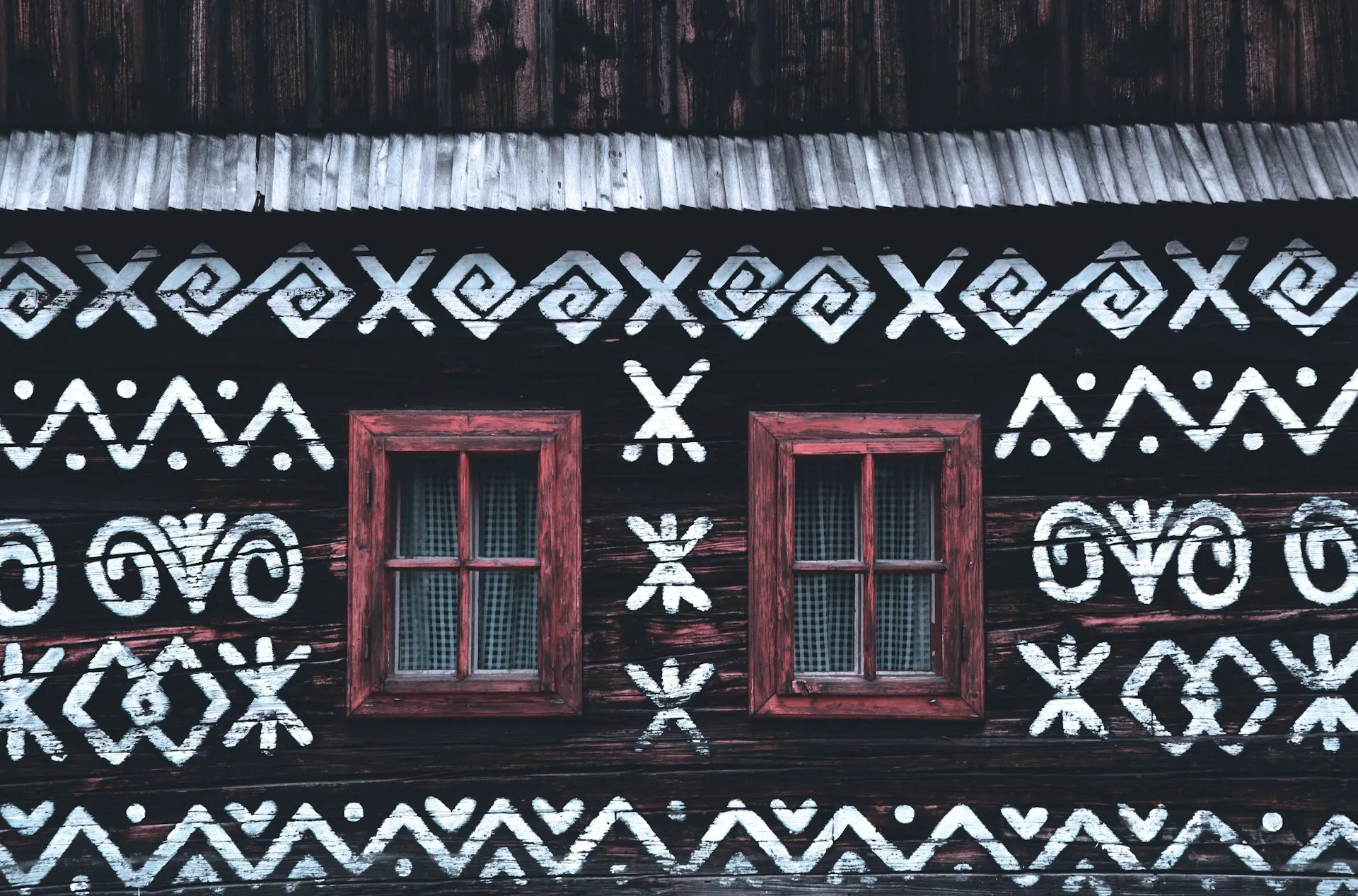
What makes Slovak a challenging language, from its grammatical cases to pronunciation and verb structure.

An overview of the Swabian (Schwäbisch) language, including its pronunciation patterns and regional usage in southwestern Germany.

Italy is renowned for its rich mosaic of regional languages and dialects, but few are as interesting as Friulian, or Furlan