A Brief Guide to Sardinian Language
Sardinian is a distinct Romance language spoken on the island of Sardinia with ancient linguistic roots.
Discover the different Finnish dialects and how pronunciation, vocabulary, and expressions vary across Finland.
Finnish, like the majority of languages around the world, has dialects, but the differences between them are small, especially if you compare Finnish to other languages like German or Italian. A person from the far west of the country can usually understand a person from the far east. For this reason, Finnish is regarded as a very uniform language.
That does not mean all Finns talk the same way. If you listen closely, you can hear where someone grew up. Their accent, the way they pronounce certain vowels, the word they use for I, or even the name they use for a berry.
Standard Finnish is called kirjakieli, which means book language. It was built around the 1800s. Before that, there was no single way to write Finnish, and people wrote in the way they spoke, which, of course, changed a lot from place to place. Then writers, priests, and teachers worked to create one common form that everybody could use.
Today, standard Finnish is the main language used for schools, books, newspapers, and the news on TV. Because of this, dialects have been spoken less and less. Many young people now speak something close to the standard, even at home with their friends. People also move to the big cities for work and study, and there they mix with speakers from other areas. So their way of speaking slowly becomes more alike.
Some people are even afraid the dialects will disappear one day. Others think they will only change, and that new regional ways of speaking will come to take their place.
Since the 1940s, Finnish dialects (locally called murteet) have been sorted into two main groups by linguists:
Eastern dialects (itämurteet) are spoken over a large area in central-eastern Finland, close to the Russian border.
Western dialects (länsimurteet) are spoken in the rest of the country, along the coast and throughout Lapland.
Moreover, each group is divided into smaller groups. The western group has five subgroups, and the eastern group has two. So the western group is the bigger one, with more variety inside it.
The main eastern dialect is spoken in a region called Savo. It is one of the easiest dialects to recognize because the changes are strong and often repeat in many words. Here are some of them:
The long sound ää becomes iä.
The letter e can become ä. For example, mennä (to go) becomes männä.
Some small words are different. Te (you, when talking to many people) becomes työ. Me (we) becomes myö.
Some question words change their shape. Mitä (what) becomes mittee.
Some words are not used the same way everywhere. A good example is the cloudberry. This is an orange berry that grows in the far north and can be very expensive. The common word for it is lakka, but other regions use other names, as you will see below.
The second dialect of this group is called the South-Western dialect or the South Karelian dialect and is spoken in South Karelia, the south-eastern corner of the country. Here, people say mie for I instead of the standard minä.
The western dialects are spoken in the rest of Finland, so they cover a large area. Here are two typical features:
In some areas, the letter d is pronounced like r. For example, yhden (one, in a certain form) becomes yrden. The sound is different from the standard, even though the spelling in books stays the same.
The word for I is often mä instead of minä. Many people in cities all over Finland use this short form in everyday speech, even if they do not speak a strong dialect.
Because the western group is so big, the speech in the south-west can sound different from the speech on the west coast or in the middle of the country.
The capital has its own special way of speaking, called Stadin slangi. Stadi is a nickname for Helsinki. This slang grew in the city in the early 1900s, when many people from different places and language backgrounds lived and worked close together. It uses many words that come from other languages, such as Swedish and Russian, and later also English.
In Lapland, the huge region covering all of northern Finland (where Santa Claus and his reindeer live), people also say mie for I, just like in the south of the eastern area. They also add an h to some words. For example, tänään (today) becomes tänhään. This change is small, so it is often hard to notice, even for native speakers from other parts of the country.
The cloudberry has other names here too. People use hilla and linnti (linnti is used in Central Ostrobothnia). It is a good example of how one thing can have very different names in different parts of the same country.
Meänkieli is spoken by more or less 20,000–70,000 people in the north of Sweden, near the border with Finland. Its speakers can understand standard Finnish, and Finns can understand a lot of Meänkieli too. But Sweden does not call it Finnish and instead treats Meänkieli as a minority language of its own. This shows that the line between a dialect and a language is often decided by politics and history, not only by how the words sound.
Sardinian is a distinct Romance language spoken on the island of Sardinia with ancient linguistic roots.
What makes Slovak a challenging language, from its grammatical cases to pronunciation and verb structure.
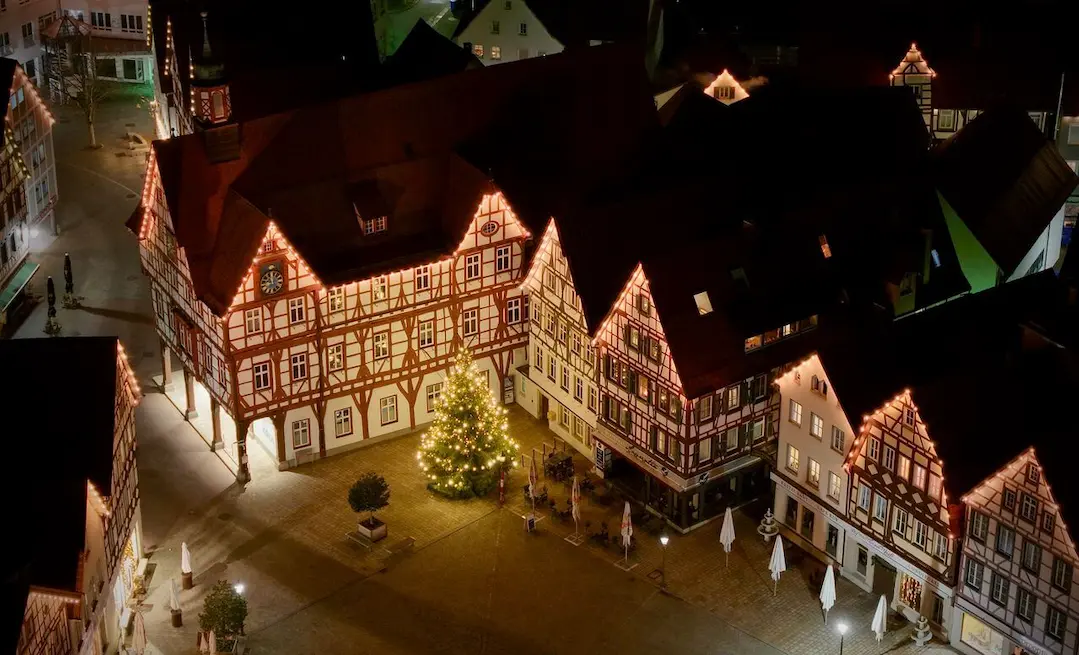
An overview of the Swabian (Schwäbisch) language, including its pronunciation patterns and regional usage in southwestern Germany.
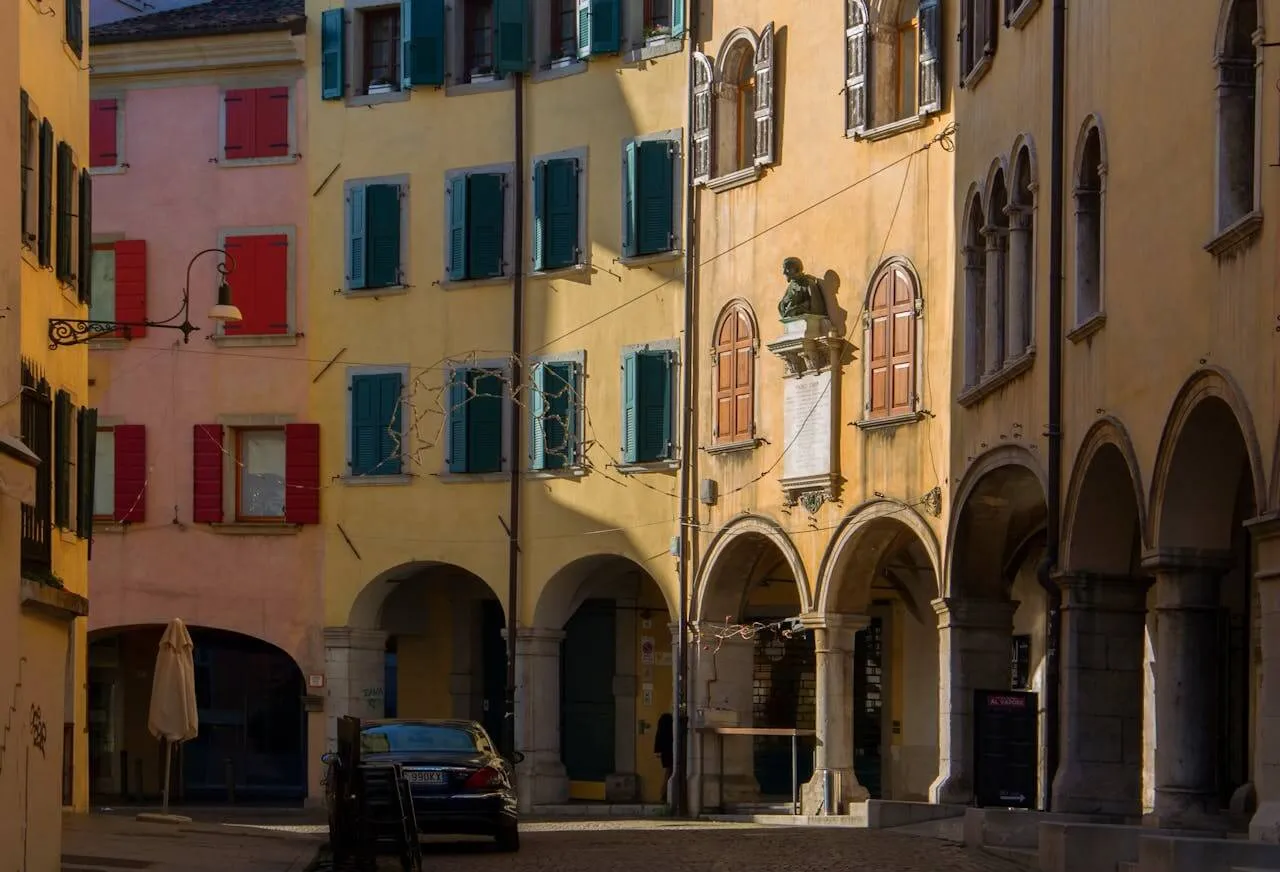
Italy is renowned for its rich mosaic of regional languages and dialects, but few are as interesting as Friulian, or Furlan
.webp)
A look at Berlinerisch, the Berlin dialect of German, and how it differs from Standard German in pronunciation and slang.