How Hard is Learning Slovak?
What makes Slovak a challenging language, from its grammatical cases to pronunciation and verb structure.
Sardinian is a distinct Romance language spoken on the island of Sardinia with ancient linguistic roots.
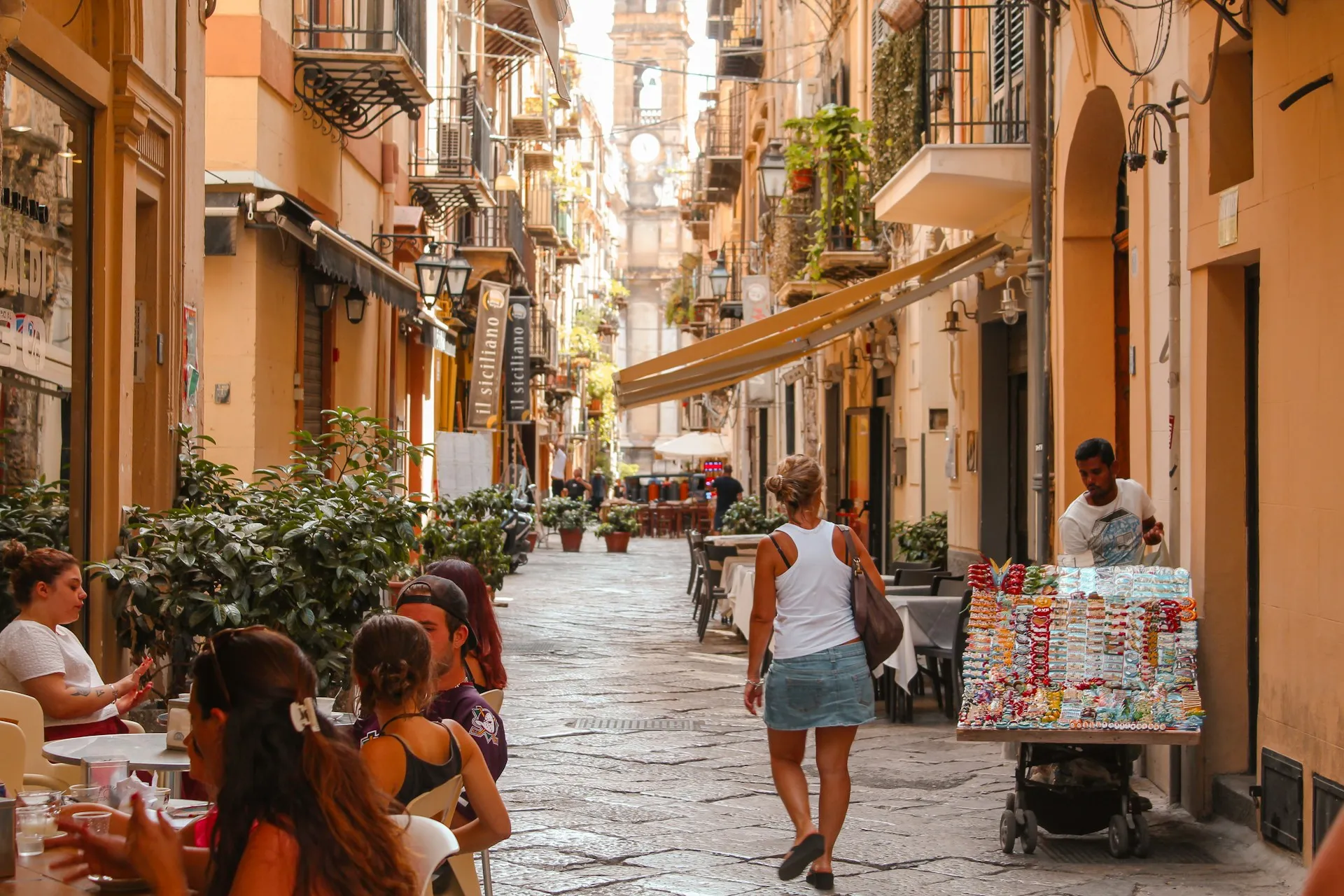
The Sardinian language, also called Sardu by its speakers, is the language spoken in Sardinia, an island in the middle of the Mediterranean, alongside Italian. It is a language with a long history that is part of the island's strong cultural identity, alongside its food and folklore.
In this brief article, we are going to talk about all the main characteristics of this little-known language, its main varieties, and why it is so difficult for people outside Sardinia to understand.
Sardinian is not a uniform language, and it is actually more correct to speak about multiple languages rather than one. Traditionally, linguists divide Sardinian into two main groups: Logudorese and Campidanese.
Logudorese is spoken mainly in the central and northern parts of Sardinia. It is often regarded as the most conservative variety of Sardinian because it keeps some pronunciation and grammatical features that are closer to Latin. It takes its name from Logudoro, the historic region in the northwestern area of the island, around the city of Sassari.
Within Logudorese, there are also many subvarieties, such as the speech of the mountainous area around Nuoro and the Barbagia region, sometimes called Nuorese, which is considered particularly conservative.
Campidanese, on the other hand, is spoken in the southern part of the island, especially around the capital city of Cagliari and in the Campidano plain (from which it takes its name). While it shares the basic structure and historical origin of Sardinian with Logudorese, it differs in pronunciation, vocabulary, and some grammatical forms.
Nevertheless, the distinction is not always clear, and people who live on the border between the two varieties often speak a form of the Sardinian language that is considered intermediate between the two.
In addition to these two main varieties, there are other regional speech forms on the island, such as Gallurese and Sassarese. However, many linguists classify these varieties as being closer to Corsican or other Italo-Romance dialects rather than Sardinian itself. Moreover, in the city of Alghero, many people speak a variety of the Catalan language known as Algherese Catalan, a language spoken since the time of the Aragonese conquest.
The Sardinian language is a Romance language, exactly like Italian, Spanish, and French. Nevertheless, it is the regional language that is most different from standard Italian and, therefore, the most difficult to understand. In fact, if an Italian person listens to a Sardinian speaker, they are almost sure to understand almost nothing, and only when reading might they grasp the meaning of the sentence. Here are some words and sentences just to show you how different it looks from Italian.
| Sardinian | Italian | English |
|---|---|---|
| Faeddas su sardu? | Parli il sardo? | Do you speak Sardinian? |
| Saludi | Ciao | Hello |
| Comu stai? | Come stai? | How are you? |
| A si biri | Goodbye | See you. |
| Berbeghe | Pecora | Sheep |
| Mata (Campidanese) | Albero | Tree |
| Tzitade | Città | City |
| Ti stimu | Ti amo | I love you. |
| A chent'annos (literally, a hundred years) | Buon compleanno | Happy birthday. |
The grammar also has many differences. For example, it forms plurals by adding an -s at the end, as in English, and the future tense is formed with the verb àere (avere), as in French, rather than by changing the verb endings.
But why is there such a difference? This is mainly due to two reasons. First of all, Sardinia is an island and has therefore been more isolated from the rest of Italy and Europe. As happens in all isolated places (islands, mountain valleys, and so on), the language changes less quickly. For this reason, it is the Romance language that is most similar to Latin and, therefore, the most different from Italian.
Moreover, Sardinia has been influenced by all the peoples who passed through the island, including the Greeks, Punics, and Spanish, among others. Moreover, some of its influences also come from the Nuragic language, the language that was spoken by the island's original inhabitants before the Romans arrived. It was a non-Indo-European language and was therefore completely different from Latin.
Fun fact: Do you know that all the most popular dishes from Sardinia have Sardinian names with meanings? For example, Malloreddus (gnocchetti sardi in Italian) literally means small bulls, Pane carasau means toasted bread, and Casu martzu, the cheese with live maggots that many people find disgusting, literally means rotten cheese.
What makes Slovak a challenging language, from its grammatical cases to pronunciation and verb structure.
An overview of the Swabian (Schwäbisch) language, including its pronunciation patterns and regional usage in southwestern Germany.
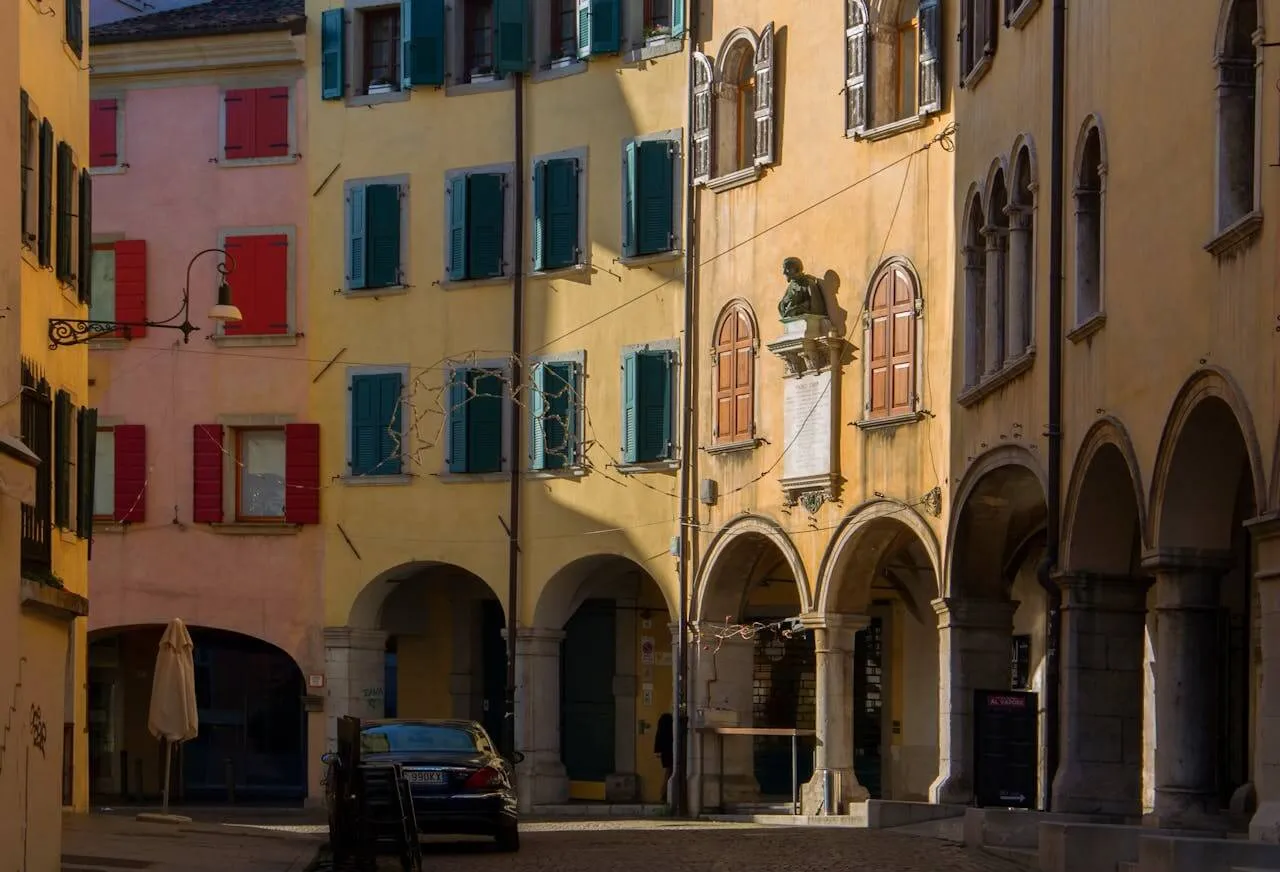
Italy is renowned for its rich mosaic of regional languages and dialects, but few are as interesting as Friulian, or Furlan
.webp)
A look at Berlinerisch, the Berlin dialect of German, and how it differs from Standard German in pronunciation and slang.
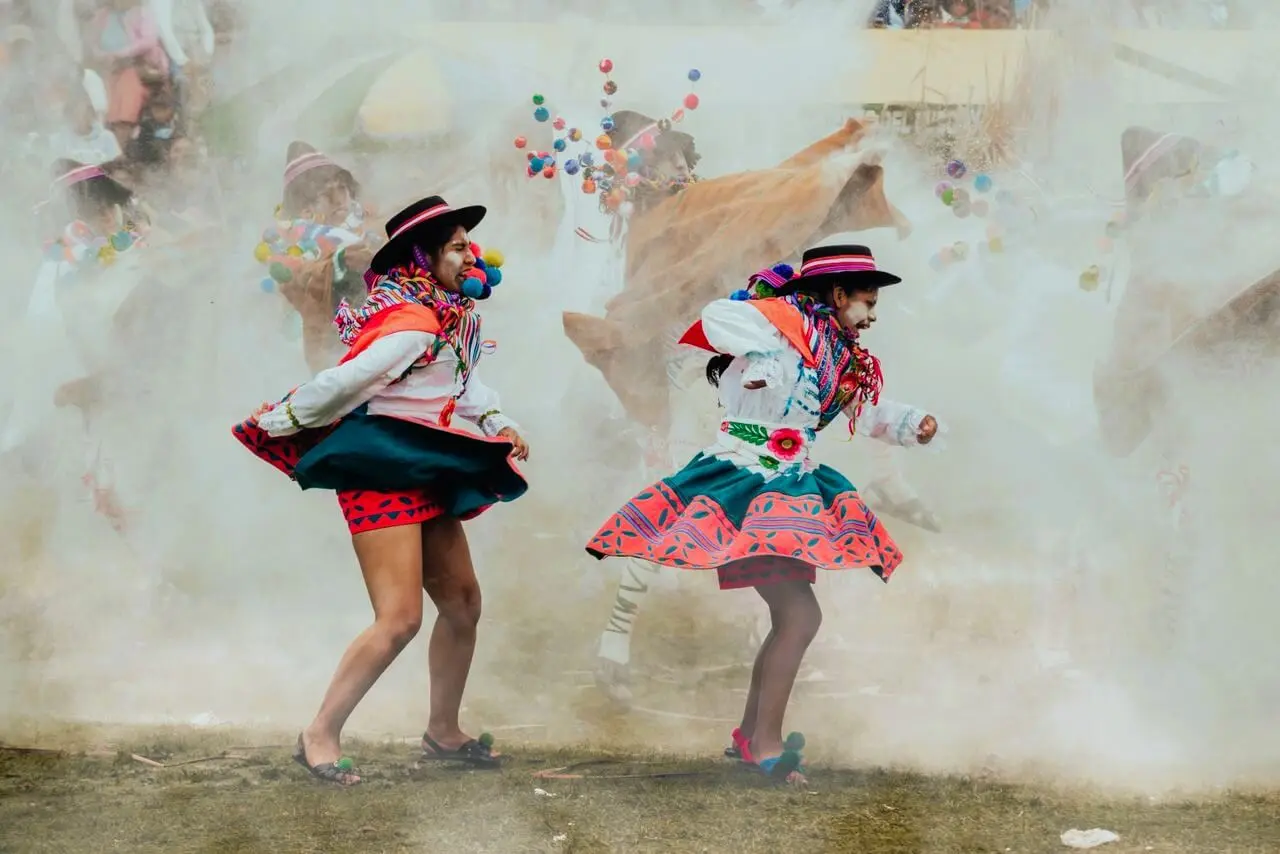
Explore Bolivian slang, including everyday expressions, regional vocabulary, and the cultural influences behind Bolivia's Spanish varieties.