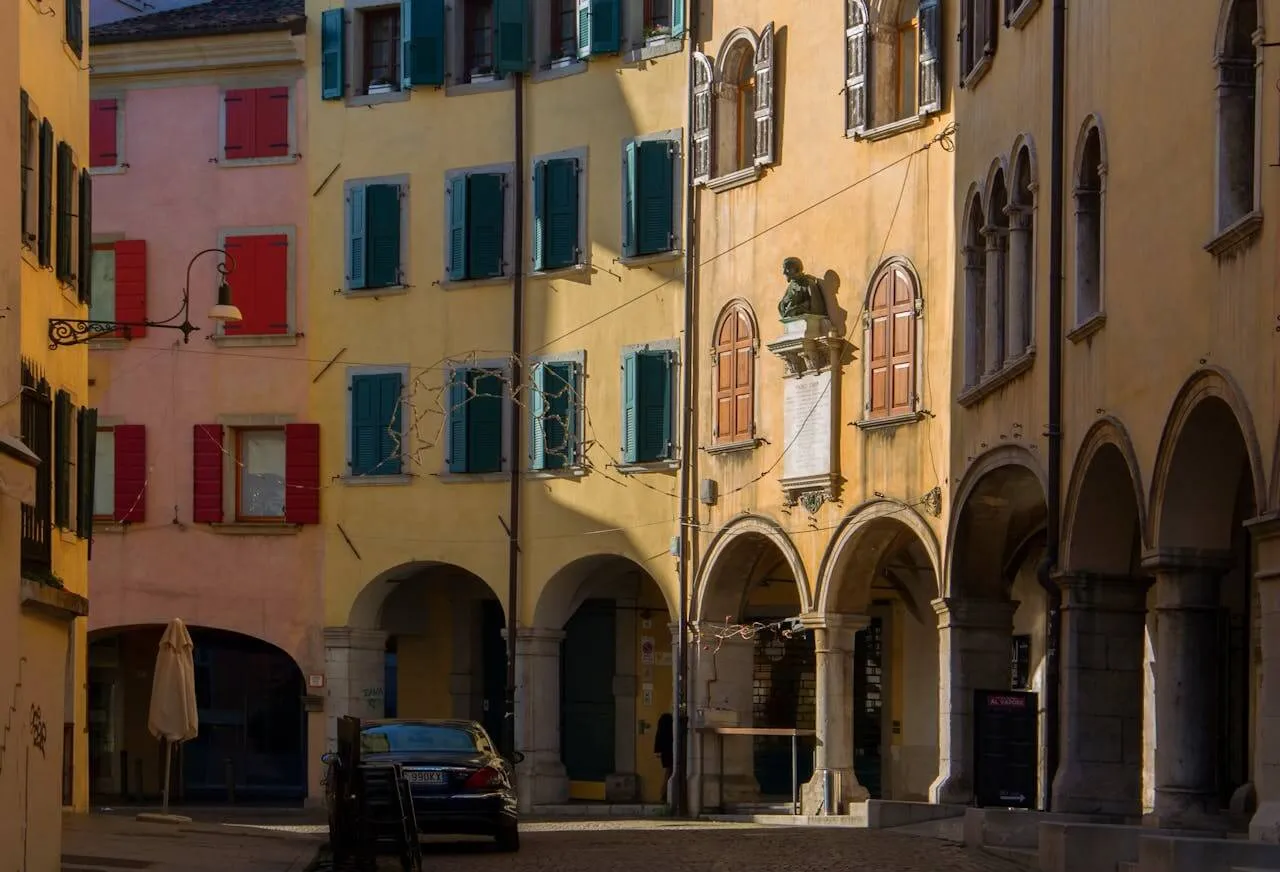
Discovering Friulian The Hidden Language of Italy
Italy is renowned for its rich mosaic of regional languages and dialects, but few are as interesting as Friulian, or Furlan
An overview of the Swabian (Schwäbisch) language, including its pronunciation patterns and regional usage in southwestern Germany.
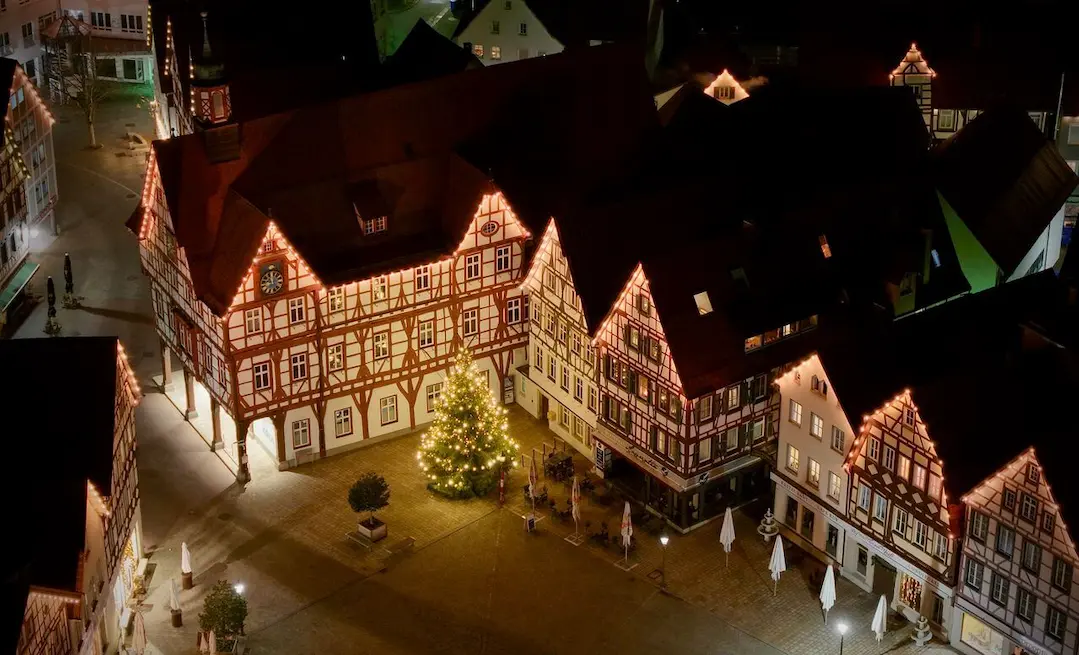
Swabian German, known in German as Schwäbisch, is a Germanic language primarily spoken in the historic region of Swabia, located in southwestern Germany, more precisely in Baden-Württemberg and the eastern parts of Bavaria.
Linguistically, Swabian belongs to the Alemannic branch of Upper German dialects, along with Swiss German and Alsatian. Even if it is often treated as a dialect, in reality, it is a language, and it has its own sound system, vocabulary, and grammatical rules, which clearly distinguish it from Standard German (Hochdeutsch). It is often said to be one of the hardest German languages to understand, even for native speakers from other regions (together with Swiss German).
Like most German dialects and languages, Swabian is typically used in everyday or local communication, while Standard German is preferred in schools, workplaces, and official contexts. Within Swabian itself, there are also numerous local variations, each with slightly different pronunciations and expressions. Beyond its linguistic features, Swabian carries a strong regional identity.
Many Swabians feel pride in their dialect, which has been used by famous writers such as Friedrich Schiller, Hermann Hesse, and Bertolt Brecht in their early works or regional pieces.
Badisch (Baden) is spoken in southwestern Baden-Württemberg, roughly in the area of the historical region of Baden, including Freiburg, Karlsruhe, and Baden-Baden. On the surface, Badisch and Schwäbisch are often treated together as Swabian by people from outside the region, because both are Alemannic dialects spoken in southwestern Germany. But linguistically, they are two distinct dialects with their own pronunciation, vocabulary, and grammar patterns.
Swabian has its own distinct vowel and consonant changes, making it sound quite different from Standard German. Some of its most noticeable characteristics include:
Softening of consonants: for example, the sounds p, t, and k often become b, d, and g.
Words that end in -st in Standard German are frequently pronounced with -sch.
Certain vowels change sound; for example, ein (one) may be pronounced oi.
Another well-known characteristic is the diminutive ending -le, which adds a sense of affection or smallness to a word. For example: Adeele and Tschüßle are both friendly, informal ways of saying goodbye.
Below is a short list of some typical Swabian greetings and expressions, shown alongside their Standard German and English meanings:
| Schwäbisch (Dialect) | Standard German | English Translation |
|---|---|---|
| Hallole! | Hallo! | Hello! |
| Guada Morga! | Guten Morgen! | Good morning! |
| Grüß Gott! | Grüß Gott! | Hello! / God bless you! |
| Ade / Adeele | Adieu! / Auf Wiedersehen! | Goodbye! |
| Tschüßle | Tschüss! | Bye! |
| Dange! | Danke! | Thanks! |
| Dankschee! | Dankeschön! | Thank you very much! |
| Vielen Dank! | Vielen Dank! | Many thanks! |
| Bidde | Bitte | Please / You’re welcome |
| Biddschee | Bitte schön | You’re very welcome / Here you go |
| Stuagat | Stuttgart | Stuttgart (city in Baden-Württemberg) |
| Wia hoisch’n? | Wie heißt du? | What’s your name? |
| I hoiß … | Ich heiße … | My name is … |
| Wo kommschn’n her? | Woher kommst du? | Where are you from? |
| I komm von … | Ich komme von … | I come from … |
| Schwätza | Sprechen / reden | To speak / talk |
| I schwätz Schwäbisch | Ich spreche Schwäbisch | I speak Swabian |
| Hoim | Zuhause / Daheim | Home |
| I ko di fei leida! | Ich liebe dich! | I love you! |
| I mog di | Ich mag dich | I like you |
| I bin miad | Ich bin müde | I am tired |
| Äbbas zom Essa | Etwas zu essen | Something to eat |
| I hann hongr | Ich habe Hunger | I am hungry |
| An Guada! | Guten Appetit! / Mahlzeit! | Enjoy your meal! |
| An Kolba zapfa | Ein Bier trinken | To pour / have a beer |
| Hoch da Kolba! | Hoch das Glas! | Raise the glass! / Cheers! |
| Broschd! / Bröschderle! | Prost! | Cheers! |
| Boiz / Boizle | Kneipe / Wirtshaus | Pub / Tavern |
Here is a funny word. Normally, in Standard German, LKW stands for Lastkraftwagen (truck). But in Swabian slang, it can also mean Lebrkäswegle (Wegle is a local word for a bread roll), which is a spelling of Leberkäsebrötchen, a small bread roll with Leberkäse, a type of meatloaf popular in southern Germany.
Here’s a funny clip of former Chancellor Olaf Scholz attempting to figure out some local Swabian terms, like Grumbier for potato (sometimes also called Äbira) or Gsälz for jam. The video shows not only how distinct Swabian is from Standard German but also how hard and challenging it can be even for native Germans to understand.
If you want to learn more Swabian words and expressions, you can easily do so by visiting this website. It is a dictionary with thousands of words, which also includes audio pronunciations.
Schwäbisch-schwätza
Italy is renowned for its rich mosaic of regional languages and dialects, but few are as interesting as Friulian, or Furlan
.webp)
A look at Berlinerisch, the Berlin dialect of German, and how it differs from Standard German in pronunciation and slang.
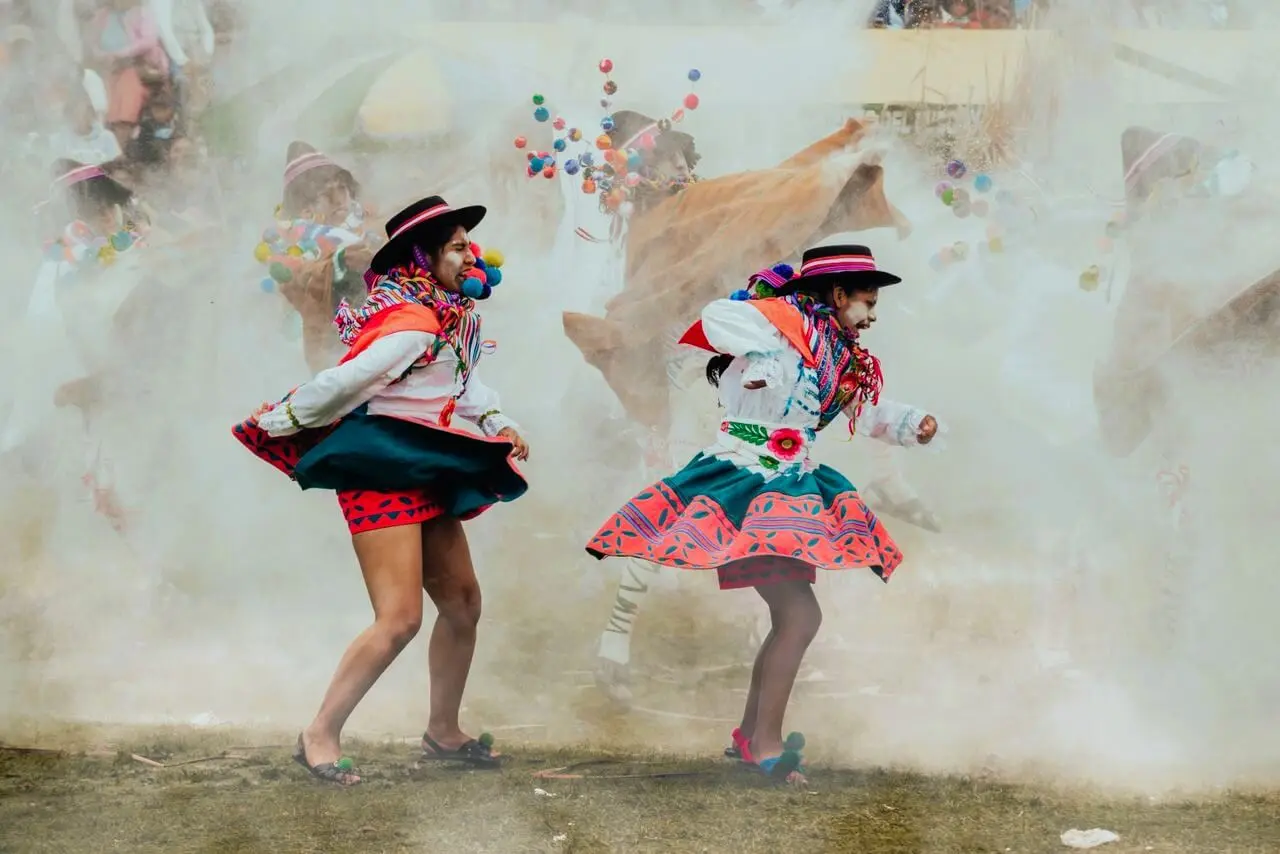
Explore Bolivian slang, including everyday expressions, regional vocabulary, and the cultural influences behind Bolivia's Spanish varieties.
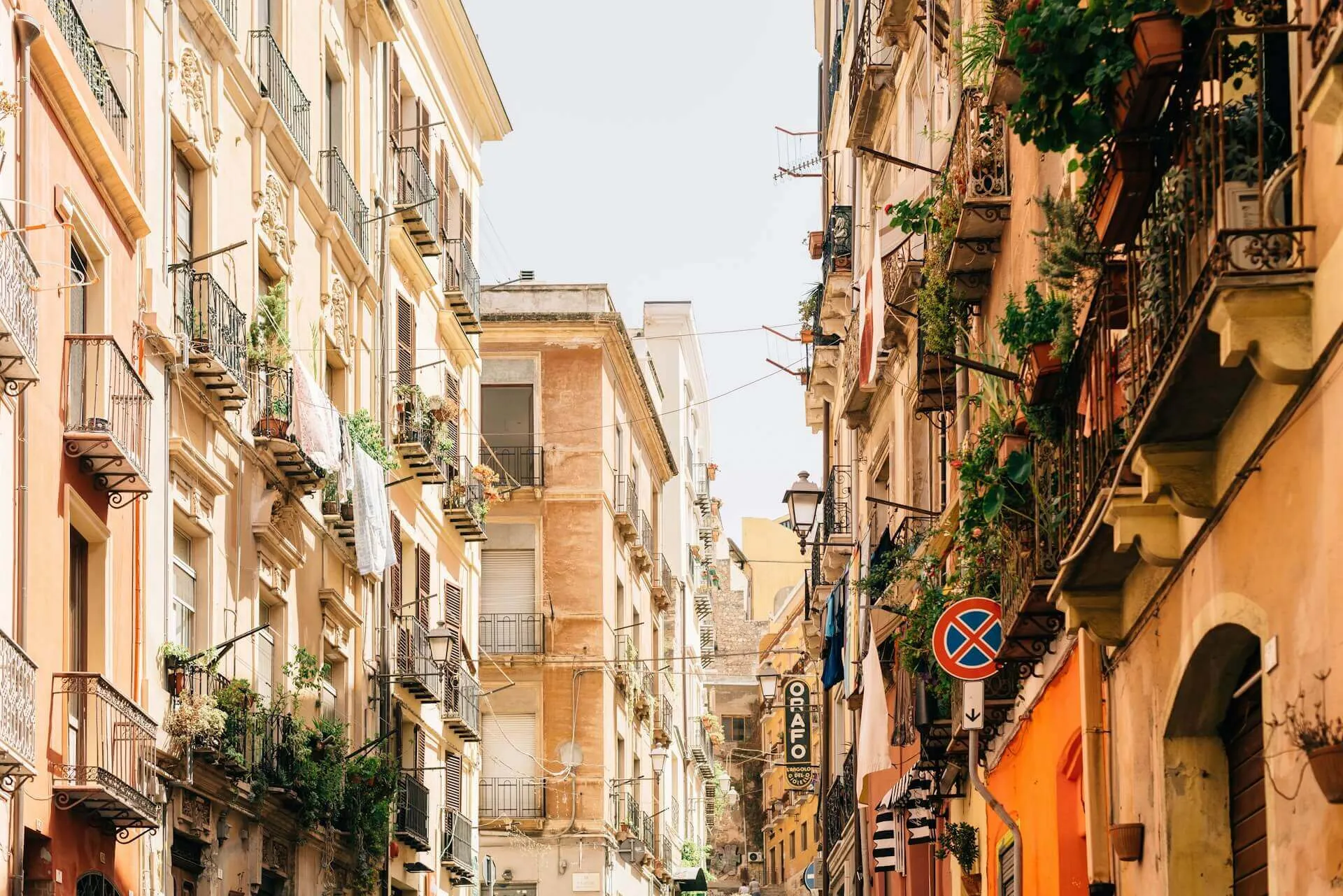
Sicilian is more than just a dialect, it’s a living language that reflects the depth and complexity of Sicily’s rich history
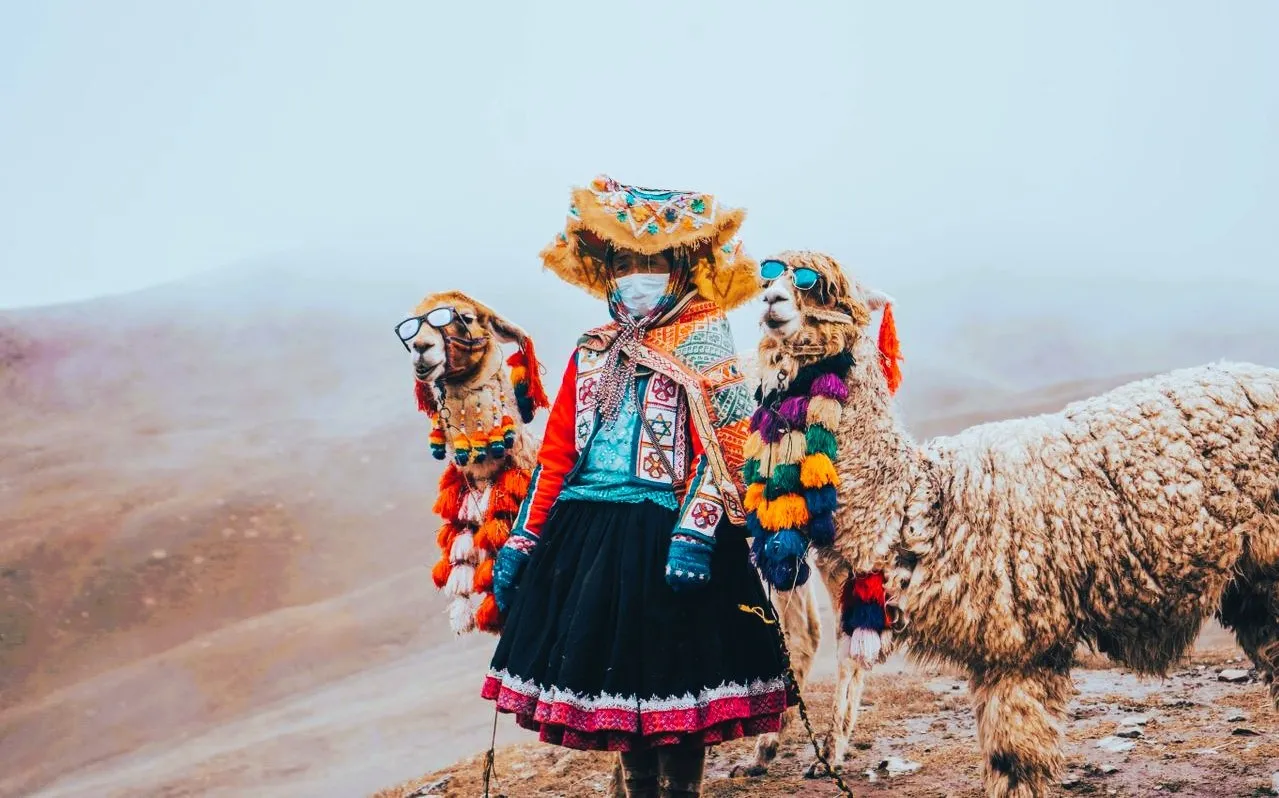
Discover Ecuadorian slang, exploring everyday phrases, regional differences, and the cultural influences behind Ecuador's Spanish.