Exploring Shwabian German language
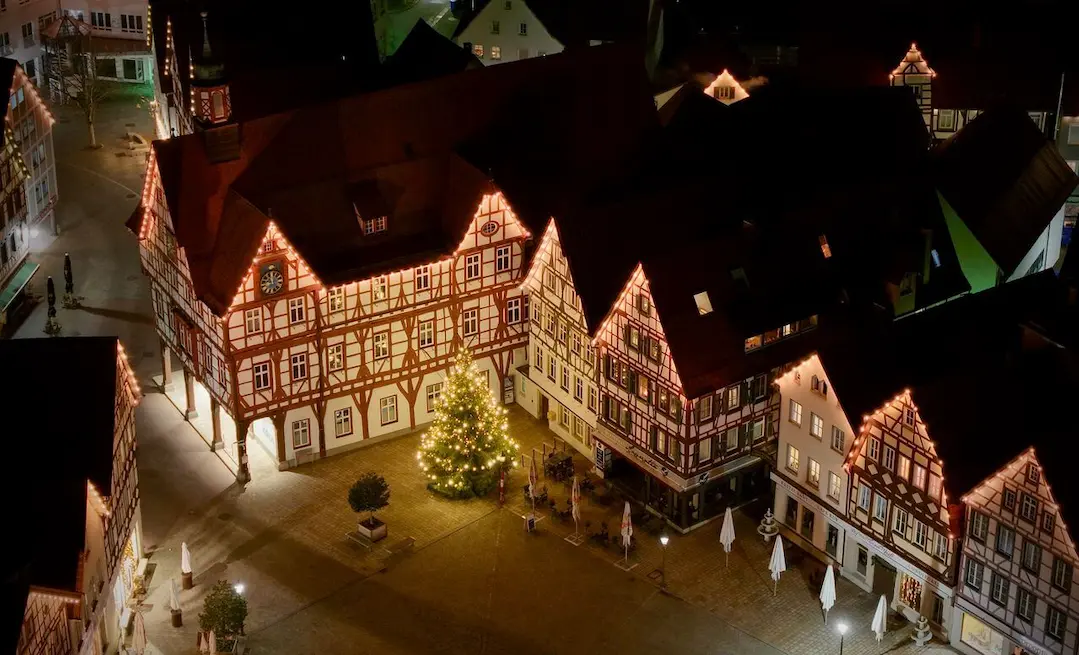
An overview of the Swabian (Schwäbisch) language, including its pronunciation patterns and regional usage in southwestern Germany.
What makes Slovak a challenging language, from its grammatical cases to pronunciation and verb structure.
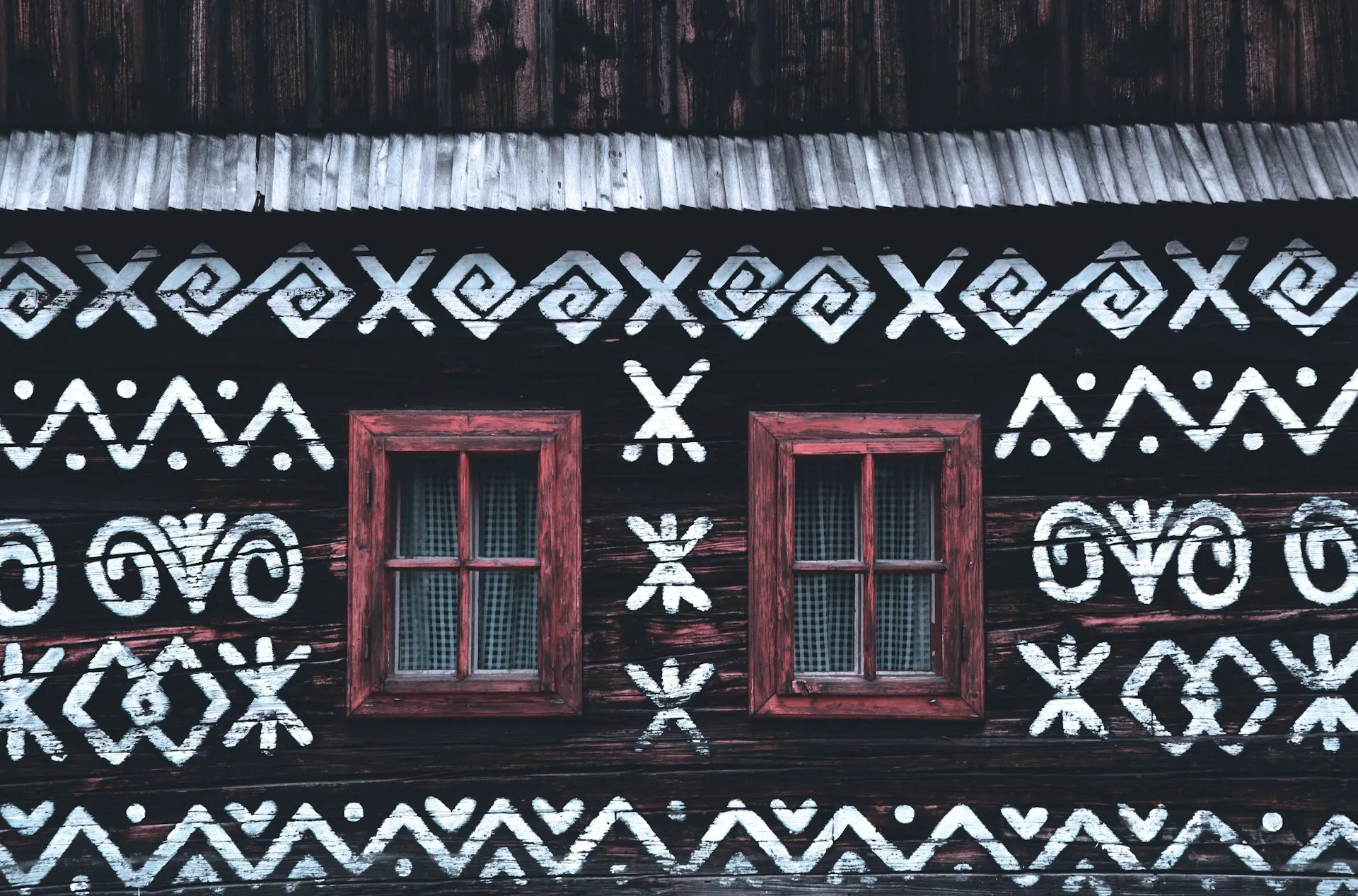
Slovak shares many features with other Slavic languages, including a complex case system and some strange verb aspects. Therefore, it is not the easiest language to learn, but it is not impossible either. In this post, we are going to look at each easy and difficult part of the Slovak language.
Slovak has six grammatical cases. Cases show the relationship
between words in a sentence, such as who is doing something, who something belongs to, or who something is
happening to. So, unlike English, where words usually stay the same, Slovak words often change depending on
their role in a sentence. Not only do the endings of nouns change, but those of adjectives and pronouns do as well.
Here is an example of how a word changes in each case:
| Word | Meaning | Grammatical Case |
|---|---|---|
| hrad | the castle | Nominative (main subject) |
| hradu | of/to the castle | Genitive / Dative |
| hrade | about the castle | Locative |
| hradom | with/by the castle | Instrumental |
Another difficult part of Slovak is its verb system. Slovak verbs often show whether an action is completed or is still happening. This is called the perfective and imperfective aspect. For example, there can be two different verbs for to write, depending on whether you mean that you are writing something in general or that you have finished writing it. English doesn't have this feature, so this is generally the most difficult part for foreign learners.
Not only does Slovak have cases, but it also has three grammatical genders: masculine, feminine, and neuter. Every noun has a gender, and this affects all the words connected to it, such as adjectives and some forms of verbs. The good news is that there are simple rules you can use to identify the gender of a word. With time, it becomes automatic.
Some Slovak words can be very long. This is because many small pieces of meaning can be added together into a single word, and at first, those long words can seem impossible to pronounce. But try to divide them into small pieces, and you will see that pronouncing them correctly will become much easier. Moreover, not all words are long, and some are composed of only a few syllables.
A lot of Slovak sounds can seem difficult for people who do not speak a Slavic language. For example, look at the letters ľ, š, č, and ž. But in reality, they are not very complicated for beginners to pronounce correctly. Moreover, spelling is also quite logical, and most words are pronounced exactly as they are written. Once you learn the sounds, you can read the words correctly.
Counting things in Slovak is not as straightforward as in other languages. In fact, numbers are used with different cases, and different numbers require different forms. With 2, 3, and 4, you use the nominative plural, but with numbers five and higher, you generally use the genitive plural instead. But that's not all: some numbers also have different forms depending on whether the following noun is masculine, feminine, or neuter.
Even though Slovak has difficult parts, it also has some things that make learning easier. One advantage is that it does not have articles like a, an, and the" in English. So, for example, the word pes can mean dog, the dog, or a dog. It might feel strange, but a language works well even without articles, and it also means learners do not have to worry about choosing the correct article before a noun.
Slovak also does not have as many verb tenses as English or French. For example, it mainly uses one past tense and one future tense instead of having many different forms, such as the past perfect, the past imperfect, and so on. Once you have learned how to form the past and future tenses, you will be able to form almost any kind of sentence.
Slovak is very similar to Czech. They are not exactly the same language, and there are differences in vocabulary, the alphabet, pronunciation, and slang. However, if you speak one, you will be able to understand the other one without too many problems. So you are not just learning one language, but two!
An overview of the Swabian (Schwäbisch) language, including its pronunciation patterns and regional usage in southwestern Germany.
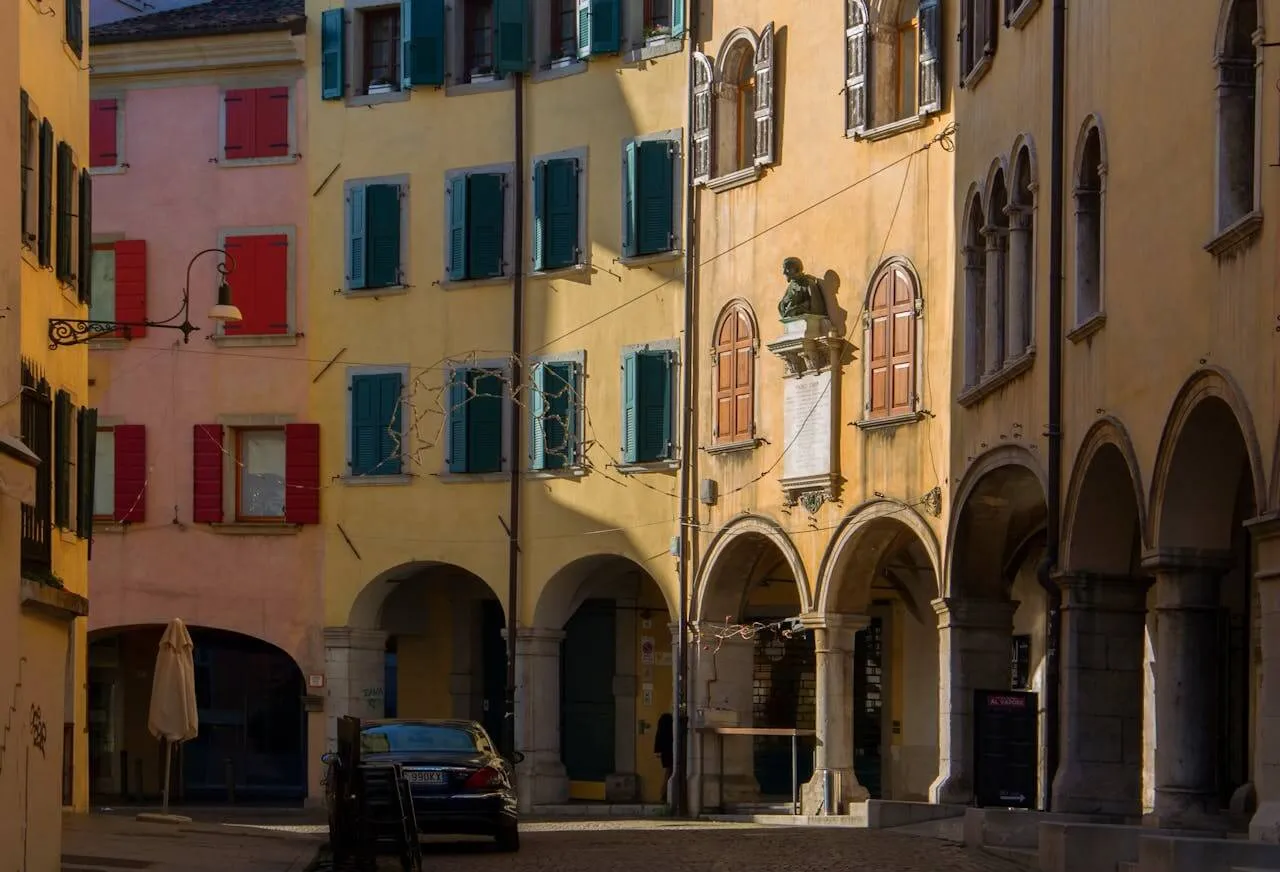
Italy is renowned for its rich mosaic of regional languages and dialects, but few are as interesting as Friulian, or Furlan
.webp)
A look at Berlinerisch, the Berlin dialect of German, and how it differs from Standard German in pronunciation and slang.
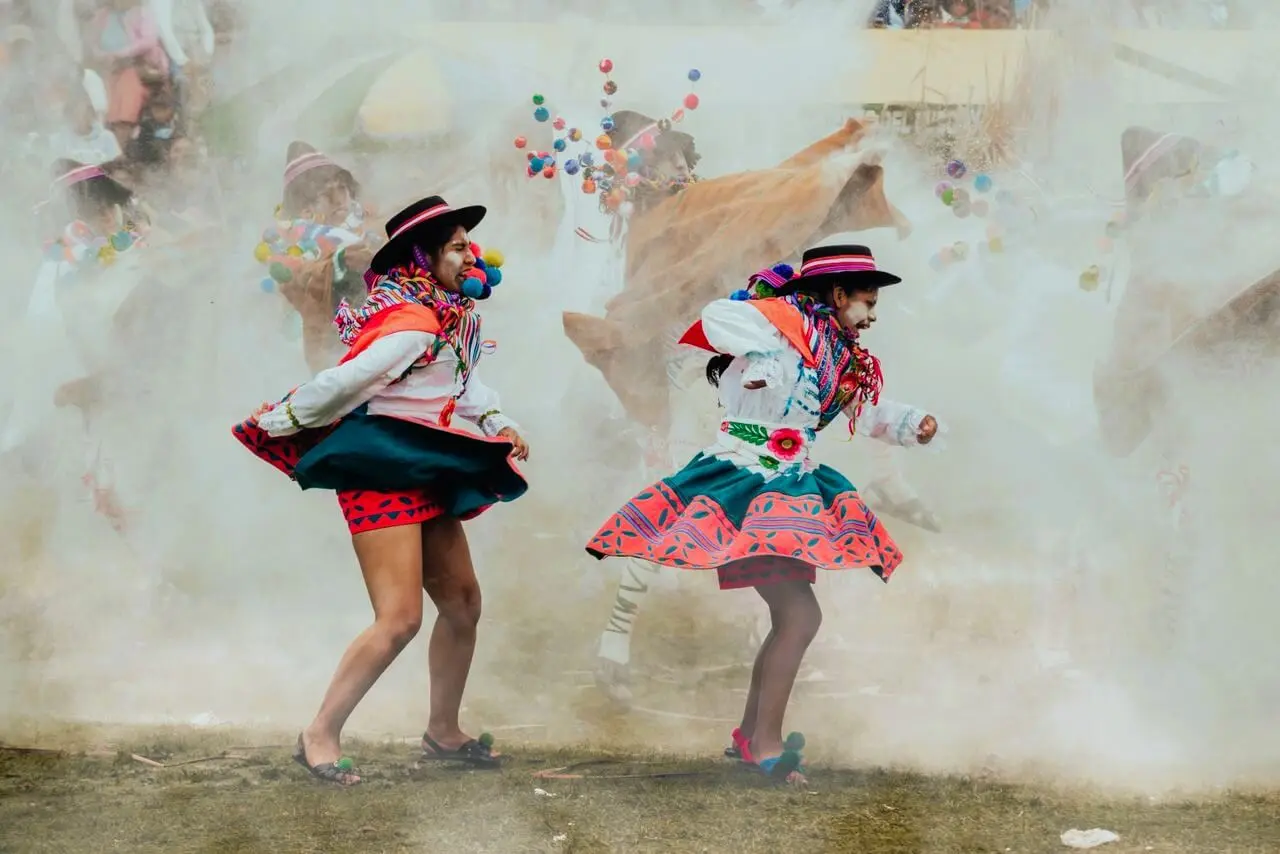
Explore Bolivian slang, including everyday expressions, regional vocabulary, and the cultural influences behind Bolivia's Spanish varieties.

Sicilian is more than just a dialect, it’s a living language that reflects the depth and complexity of Sicily’s rich history