.webp)
Berlinisch Made Easy - Berlin's German Dialect
A look at Berlinerisch, the Berlin dialect of German, and how it differs from Standard German in pronunciation and slang.
Italy is renowned for its rich mosaic of regional languages and dialects, but few are as interesting as Friulian, or Furlan
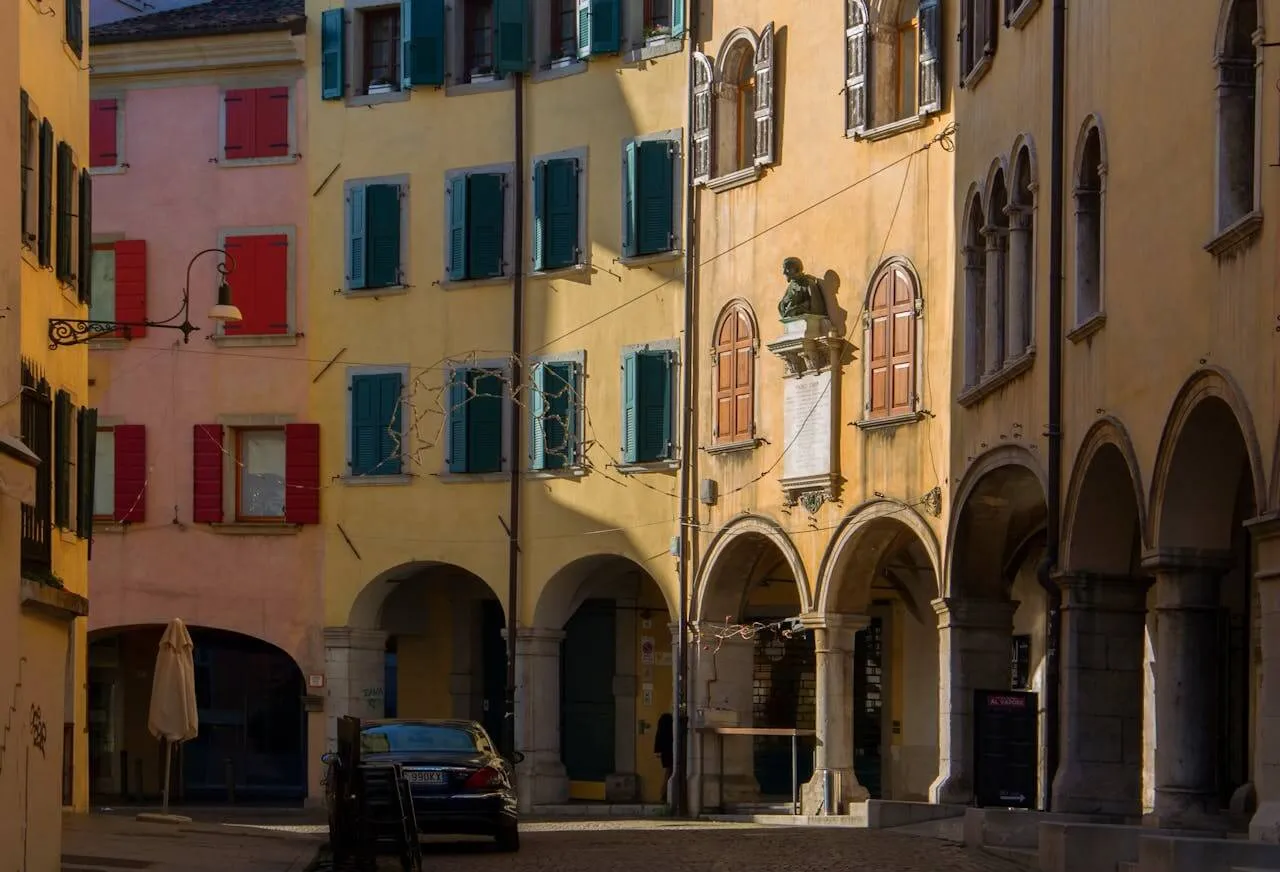
Friulian (furlan in Friulian and friulano in Italian) is spoken in Friuli Venezia Giulia, a small region in the northeastern corner of Italy, bordering Venice, Austria, and Slovenia. Like many regional languages in Italy, it is often regarded as a dialect, but in reality, it is a language with its own pronunciation, grammar, and vocabulary. Let’s explore this lesser-known Romance language together.
Friulian belongs to the Rhaeto-Romance group, alongside Ladin and Romansh, two languages spoken in the Dolomites and parts of Switzerland. It is derived from Latin, like many other languages on the Italian peninsula, but Friulian has its own distinctive characteristics. For example, its vocabulary and pronunciation reflect centuries of contact with Slavic and Germanic languages, influenced by Friuli’s proximity to Austria and Slovenia.
Moreover, Friulian also varies across provinces, and a speaker from Udine may sound very different from someone in Carnia or Pordenone. This is a common feature in Italy, where each village has its own unique set of words that you will not find anywhere else.
While Friulian is the traditional tongue across much of Friuli, it is not traditionally spoken in Trieste, the capital of the region. Instead, locals there speak a dialect more closely related to Venetian. Even if the two languages are similar, people from different regions sometimes struggle to understand each other. This division is not only linguistic; in fact, there is a long-standing rivalry between the Triestini and Friulani, with each group preserving its unique cultural heritage. This also shows how rich and complex Italy’s linguistic landscape truly is, even within a single region.
Here are some basic Friulian phrases you can use. The table also includes translations into standard Italian, so you can immediately see the differences between the two languages.
| Friulian Phrase | Italian | English Meaning |
|---|---|---|
| Mandi | Ciao / Arrivederci | Hello and goodbye (a universal Friulian greeting) |
| Bundi | Buongiorno | Good morning |
| Buine sere | Buonasera | Good evening |
| Par plasê | Per favore | Please |
| Mi displâs | Mi dispiace | I’m sorry |
| Cemût sês tu? / Cemût va di? | Come stai? / Come va? | How are you? |
| O stôi ben, e tu? | Sto bene, e tu? | I’m well, and you? |
| Benon, e tu? | Benissimo, e tu? | Very well, and you? |
| Ce âstu non? | Come ti chiami? | What’s your name? |
| Jo o ai non… | Mi chiamo… | My name is… |
| Di dulà sês tu? | Di dove sei? | Where are you from? |
| O soi di… | Sono di… | I am from… |
| Cjacaristu furlan? | Parli friulano? | Do you speak Friulian? |
| No ai capît | Non ho capito | I don’t understand |
| Jo o vif a Udin | Vivo a Udine | I live in Udine |
| O soi strac / strache | Sono stanco / stanca | I am tired |
| O ai fam | Ho fame | I’m hungry |
| Al è cjalt | Fa caldo | It’s hot |
| Al è frêt | Fa freddo | It’s cold |
| Fantat / Fantate | Ragazzo / Ragazza | Boy / Girl |
| Om | Uomo | Man |
| Femine | Donna | Woman |
| Frut / Frutate | Bambino / Bambini | Child / Children |
| Friûl | Friuli | Friuli (the region) |
One of Friulian’s most passionate advocates was the writer, poet, and filmmaker Pier Paolo Pasolini. Friulian was especially dear to him because his mother, Susanna Colussi, was Friulian, and Pasolini spent several formative years living in the region.
Even Dante Alighieri had something to say about Friulian. In his treatise De Vulgari Eloquentia, he compared the sound of Friulian to barking. This was not exactly a compliment, but it is proof that the language’s distinctiveness was recognized even in medieval times.
Pasolini considered Friulian a pure, poetic language, deeply connected to rural life and popular tradition. At a time when many regional languages were dismissed as mere dialects, he saw Friulian as a true literary language worthy of preservation. He wrote many poems in Friulian, including works collected in Poesie a Casarsa, his first published book.
Even today, although people mostly communicate in standard Italian, Friulian is still widely used in the region. Moreover, it is taught in schools, supported by regional institutions, and celebrated in the local media. If you visit Friuli, try greeting someone with “Mandi.” Local people will appreciate it!
A look at Berlinerisch, the Berlin dialect of German, and how it differs from Standard German in pronunciation and slang.
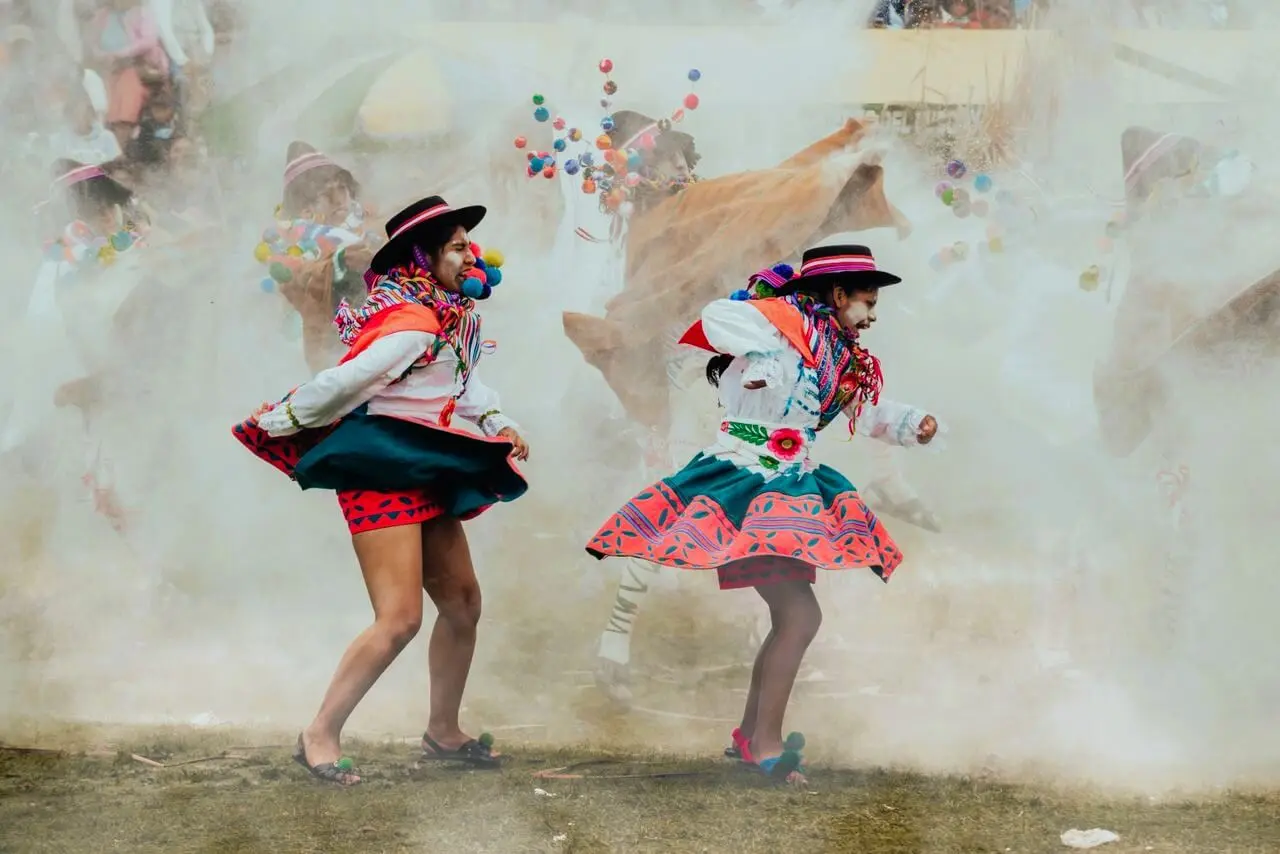
Explore Bolivian slang, including everyday expressions, regional vocabulary, and the cultural influences behind Bolivia's Spanish varieties.
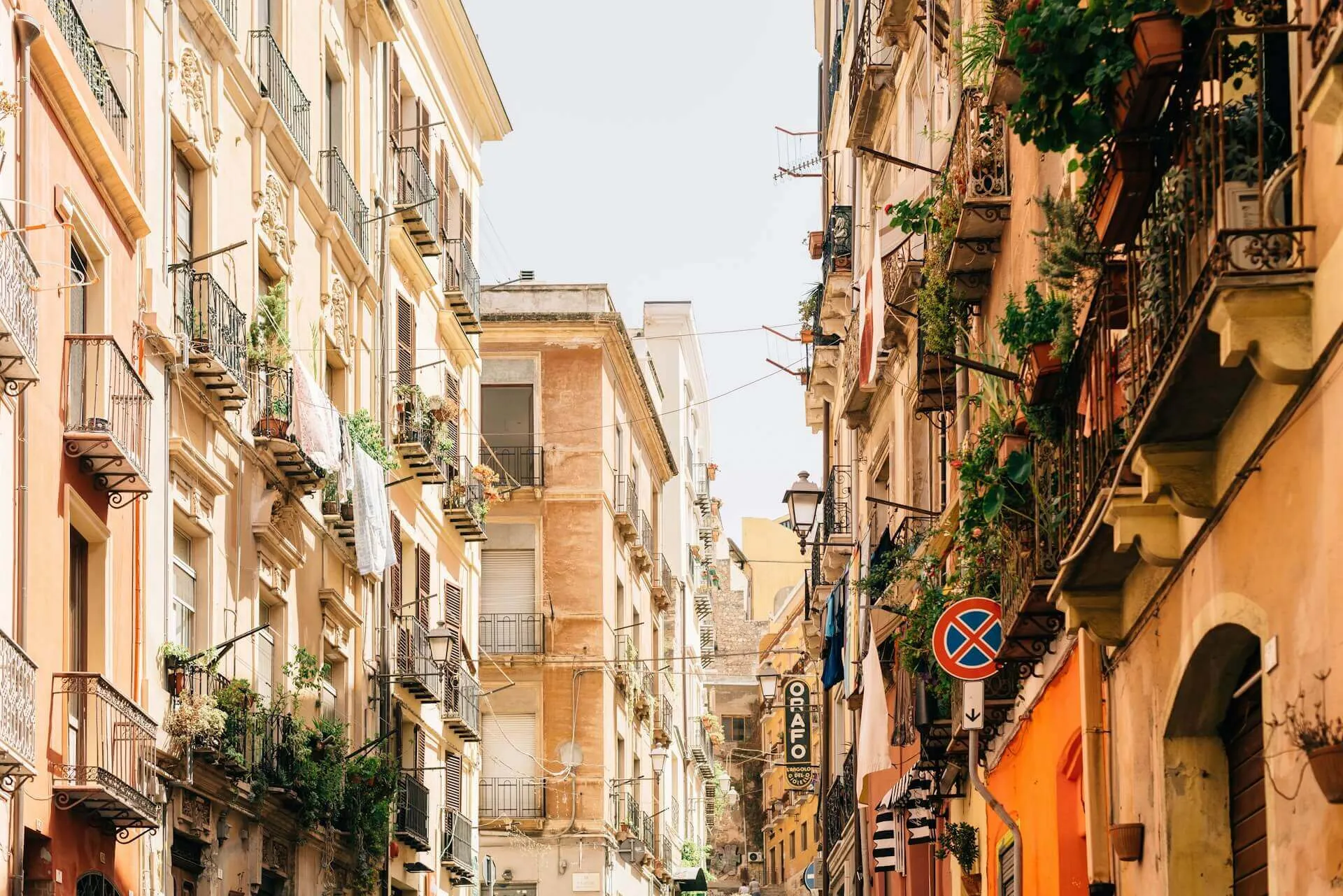
Sicilian is more than just a dialect, it’s a living language that reflects the depth and complexity of Sicily’s rich history
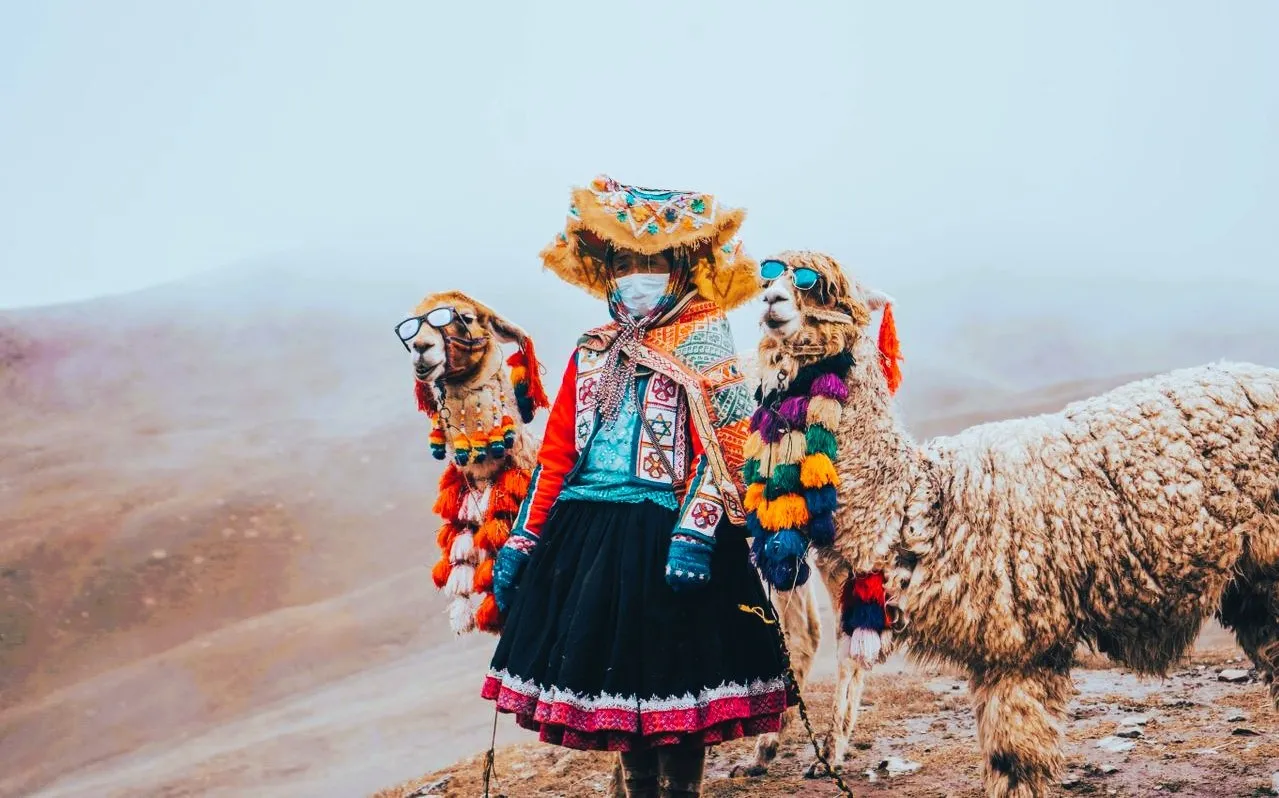
Discover Ecuadorian slang, exploring everyday phrases, regional differences, and the cultural influences behind Ecuador's Spanish.
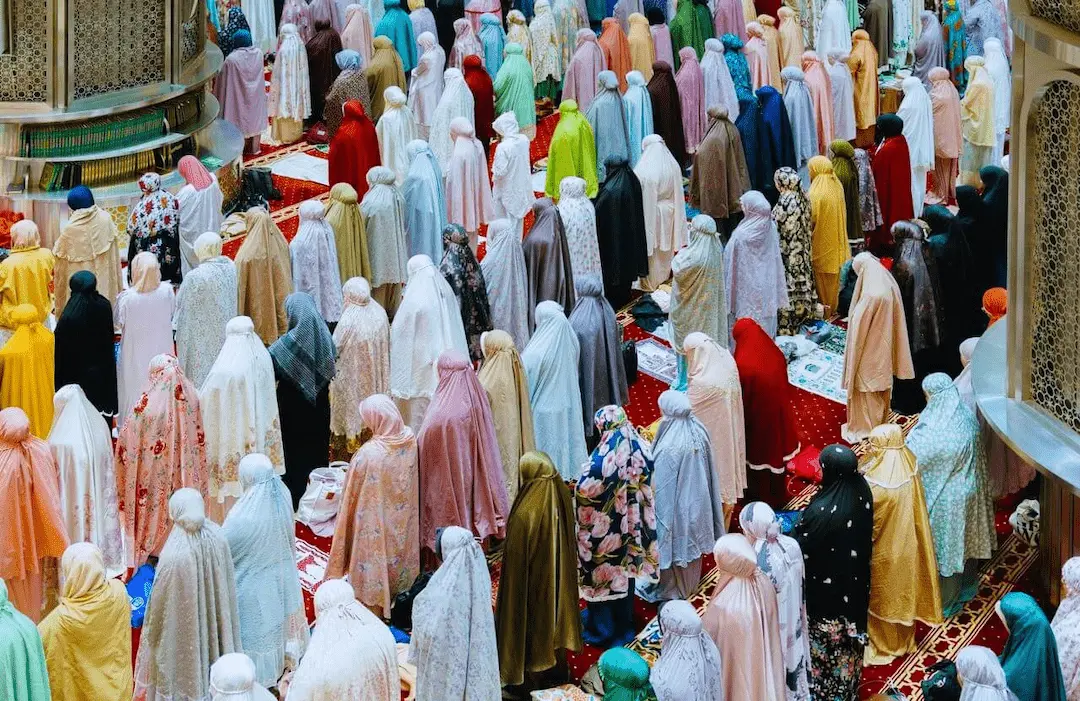
Discover Betawi, the local dialect of Jakarta, Indonesia. Learn its history, common words and phrases, regional varieties, and why it's slowly fading today.