
An Easy Introduction to Piedmontese Language
Explore the Piemontese language of northwestern Italy, including its unique grammar, historical French influence, and everyday vocabulary.
Discover the challenges of learning Amharic, including its unique Geʽez script, complex grammar, pronunciation, and verb system.
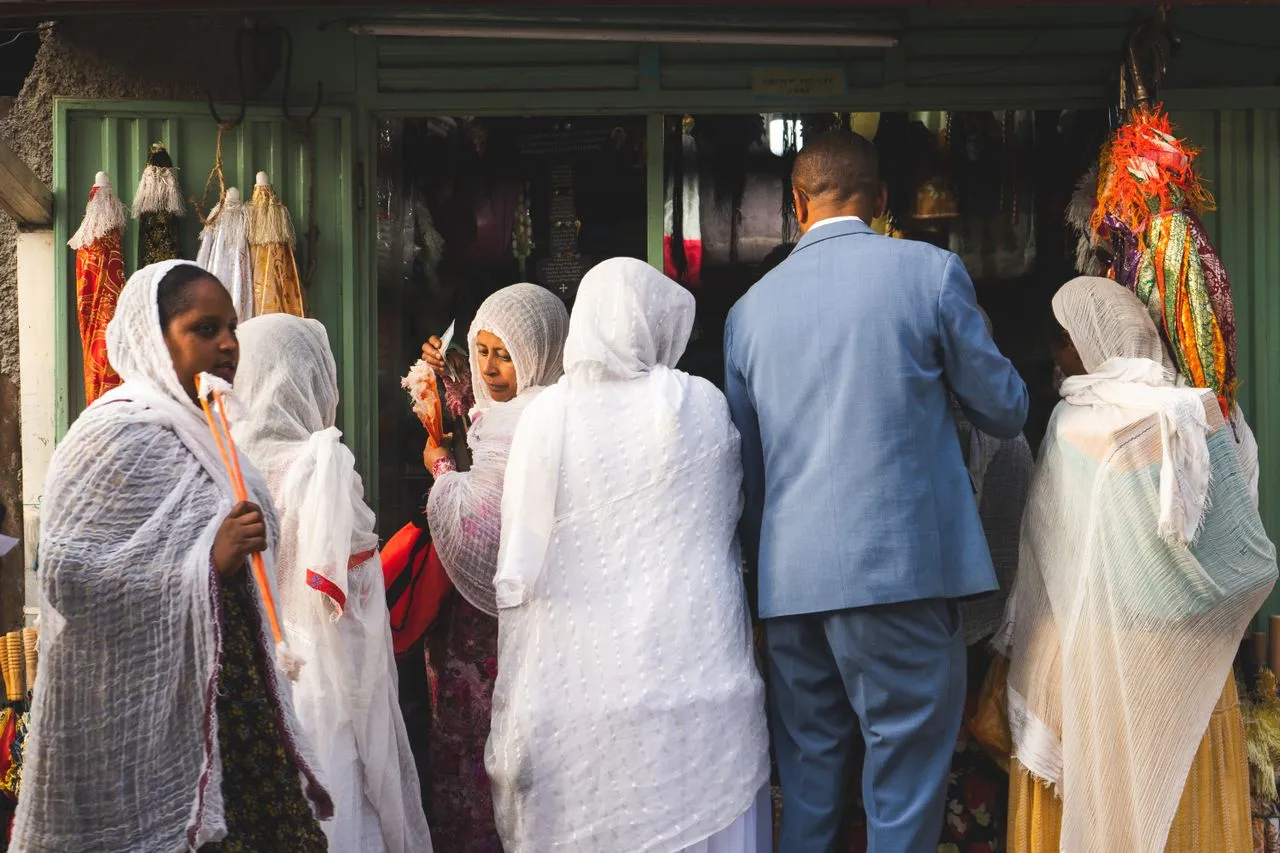
Amharic is the national language of Ethiopia. It is an ancient language with thousands of years of history and is spoken by millions of people, serving as a common language in the country.
If you are planning to start learning it, you have probably asked yourself, is it hard or is it easy? The honest answer is that Amharic is often considered quite difficult. It has a complex grammar that is unrelated to English, words are difficult to pronounce, and learning how to write will take you a lot of time due to the fact that it uses a different writing system. But despite all of this, many learners say that after all, it is not so bad.
Amharic is written using the Ge'ez script (also known as the Ethiopic script), an ancient writing system which is used for writing many languages across the region. It is an alphabet like the one we use in English, but it has several things that make it special. There are 31 consonants, and each consonant changes when it is used together with a vowel. There are 7 vowel sounds, so in total there are more than 230 possible combinations. For this reason, Ge'ez can be really complicated, and therefore it requires much time to be learned.
Using words correctly in a sentence is not always easy in Amharic because its grammar might be complicated, and there are many different rules you have to learn in order to avoid mistakes. Here are the most common ones.
Amharic distinguishes between masculine and feminine gender. Gender is important because it affects all other words in the sentence, like adjectives, verbs, and so on. Masculine is often the default form, while feminine forms are sometimes marked with endings such as -it or -t.
In Amharic, verbs have to be conjugated when they are used in a sentence, and conjugations are more complicated than in most other languages. They work with the use of prefixes and suffixes attached to the verb stem. For example, the verb stem ሰራ (särrä) means work or he worked. Different prefixes and suffixes are added to show who is performing the action and when it happens. Look at the following table.
| Person | English | Amharic | Transliteration |
|---|---|---|---|
| 1st person singular | I worked | ሰራሁ | särrähu |
| 2nd person singular (m.) | You worked | ሰራህ | särräh |
| 2nd person singular (f.) | You worked | ሰራሽ | särräš |
| 3rd person singular (m.) | He worked | ሰራ | särrä |
| 3rd person singular (f.) | She worked | ሰራች | särräč |
| 1st person plural | We worked | ሰራን | särrän |
| 2nd person plural | You worked | ሰራችሁ | särräččihu |
| 3rd person plural | They worked | ሰሩ | särru |
Amharic has several pronouns, many more than in English. In fact, there are two pronouns to say you, one used for females and one used for males. Moreover, there are also formal versions of the pronouns you and he that are used only with people when you want to show respect to them, like, for example, when you are talking to a teacher or a priest. The good news is that when speaking, you can simply drop pronouns, as the verb tells who is doing the action (see above).
Amharic follows a different word order, Subject-Object-Verb (SOV). In other words, the verb goes at the end of the sentence, so the English sentence I eat food in Amharic becomes something like I food eat. Even if this looks strange, it is generally not a big problem, and students get used to it very fast as soon as they start speaking.
Amharic uses possessives differently from English. Instead of always using separate words like my, your, or their, possessives are attached directly to the end of words. For example, the word for cat is ድመት (dimet), and if you want to say my cat, you add the sound ē at the end, so it becomes ድመቴ (dimetē).
Also, definite articles (the word the used to specify nouns) are attached to the end of the noun, rather than placed before it. For example, the word ቤት (bet) means house, and to say the house, you add -u at the end, so it becomes ቤቱ (betu).
As we said before in the alphabet section, Amharic uses a lot of letters. That is because it is a language that has many sounds that do not exist in English. Most of them are actually quite easy, while others require time to get used to making them correctly, and you will have to train your tongue and your mouth. Moreover, some sounds may seem very similar to beginners. Even native speakers can easily hear the difference. For example, the sounds ሰ (seh) and ሠ (seh) are two different sounds with two different letters, but the sounds are almost identical to a non-native person.
Amharic can feel difficult at the beginning because it has a different writing system, unfamiliar sounds, and a grammar structure that is different from many European languages. However, once a learner becomes comfortable with the Ge'ez script, pronunciation rules, and the basic grammar patterns, the language becomes much more predictable. In the end, any language can become easy once you understand the way it works.
Explore the Piemontese language of northwestern Italy, including its unique grammar, historical French influence, and everyday vocabulary.

A brief history of the Russian alphabet, its evolution from Cyrillic roots, and how it is used today.
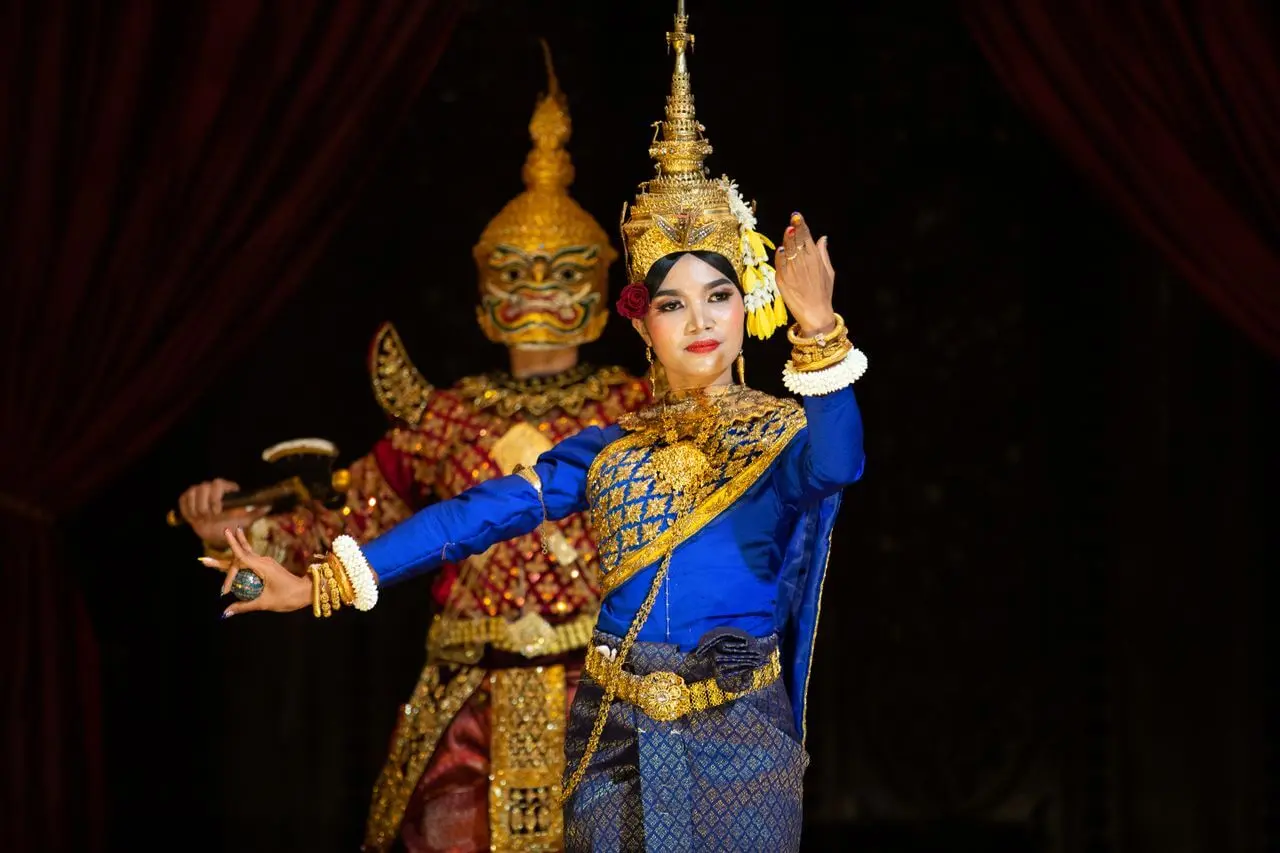
What makes Khmer challenging to learn, including its script, pronunciation, and complex writing system.
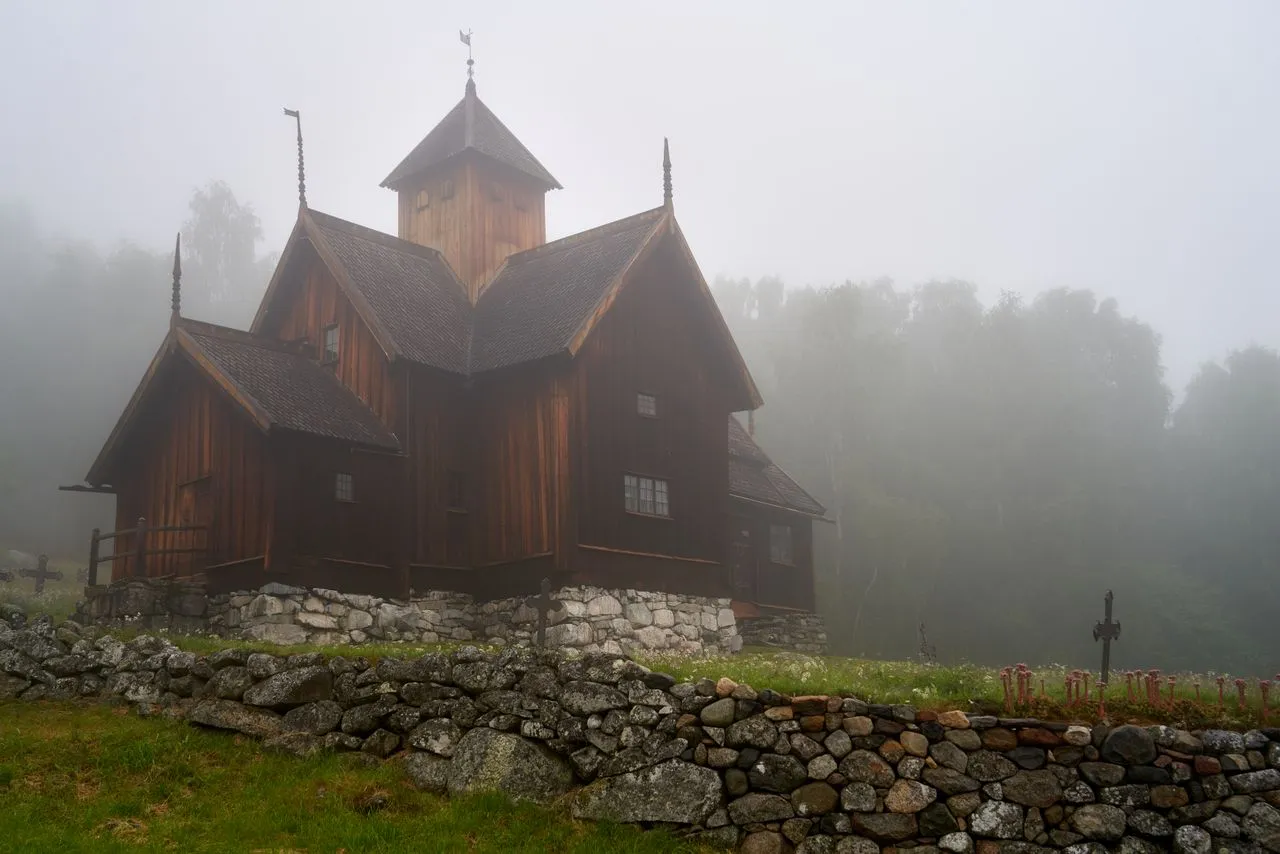
Norwegian dialects vary significantly across regions, often differing in pronunciation and vocabulary.

How Chinese keyboard input methods work, including Pinyin typing and other tools used to write Chinese characters.