
A Short History of Russian Alphabet
A brief history of the Russian alphabet, its evolution from Cyrillic roots, and how it is used today.
Explore the Piemontese language of northwestern Italy, including its unique grammar, historical French influence, and everyday vocabulary.

Piedmont is an Italian region in the north-west of Italy at the bottom of the Alps (the name itself literally means at the foot of mountains). The region is known for several things: it produces well-regarded wines such as Barolo and Barbaresco, many dishes like agnolotti or brasato, and it is the home of many famous Italian industries like Fiat or Ferrero. In this beautiful region, people not only speak Italian, but they also have their own regional language, Piedmontese.
Piedmontese, called Piemontese in Italian, is not just a dialect or a way of speaking Italian with an accent. It is its own language, with its own words, its own grammar, and a history that goes back hundreds of years.
Today, Piedmontese is spoken by roughly two million people, though the real number is hard to know because fewer young people learn it at home than in the past. After Italy became a single country in 1861, Italian slowly took over as the language of schools, administration, and later radio and television. Piedmontese kept being widely spoken at home and in more informal conversation, but it lost ground generation after generation.
Like every regional language in Italy, Piedmontese does not match up neatly with the borders on a map. It is spoken outside of Piedmont too, in parts of the neighboring region of Liguria. At the same time, not everyone who lives inside Piedmont actually speaks Piedmontese. In the eastern part of the region, around the province of Novara, many people speak Lombard instead, since that area sits closer to Lombardy.
Due to its geographical position and its close proximity to France, the Piedmontese language has been strongly influenced by French for many centuries. This influence is particularly understandable given the historical ties between Piedmont and France.
The House of Savoy, the dynasty that ruled Piedmont for centuries and later became the ruling family of unified Italy, was originally of French-Savoyard origin rather than Italian. French was widely spoken among the nobility, and the language held an important cultural and political position in the region. In fact, Camillo Benso, Count of Cavour, one of the key figures in the unification of Italy, spoke French as his native language.
These French influences can still be noticed in Piedmontese today, both in its pronunciation and in its vocabulary. For example, the Piedmontese word travaj, meaning work, is very similar to the French travail. Another interesting example is drapò, the Piedmontese word for flag, which closely resembles the French drapeau, although it is written and pronounced differently.
Piedmontese also has its own grammar, which, even if it is similar to Italian, has its own characteristics. For example, nouns don't change in the plural (except for some feminine nouns), and the word lìber can mean both book and books. Another example is that there are two words used to form a negative sentence, nen or pa (just like in French).
Here are some common Piedmontese greetings, words, and phrases, along with a short explanation to show you what they mean and how they are used in everyday life.
Ciàu and cerea both mean hello and goodbye, used the same way ciao is used in Italian.
Bondì good day, a slightly more formal greeting similar to the Italian buongiorno.
Cum a l'è? or Cum a va? Both are used to ask someone How are you? (literally something closer to how is it or how does it go).
Tüt bin? This is another way to ask the same question, but it literally means everything is fine?
Bin, e ti? Good, and you? — this is the standard reply if everything is fine.
Boia fàus an exclamation similar to oh my gosh or good grief, used the way Italians say accidenti. The word boia literally refers to an executioner who carried out death sentences, so the phrase was associated with fear of them, while faus means false.
Picio or piciu this term is used as a mild insult, roughly like calling someone an idiot.
Ciaparàt describes a useless or good-for-nothing person. The word literally means someone who catches rats. This expression is not unique to Piedmontese; people in parts of Lombardy use a very similar word with the same meaning.
Cicles or chiclets This isn't actually a Piedmontese word but rather a slang and informal term used in Turin to refer to chewing gum. The story behind it goes back to Chiclets, an American chewing gum brand. (That brand name itself came from chicle, the word for the natural rubbery sap from Central America.) During the Second World War, Allied soldiers handed out Chiclets gum in Italy, and in Piedmont, the brand name stuck as the everyday word for chewing gum in general, which is very different from the standard Italian gomma da masticare.
A brief history of the Russian alphabet, its evolution from Cyrillic roots, and how it is used today.

What makes Khmer challenging to learn, including its script, pronunciation, and complex writing system.
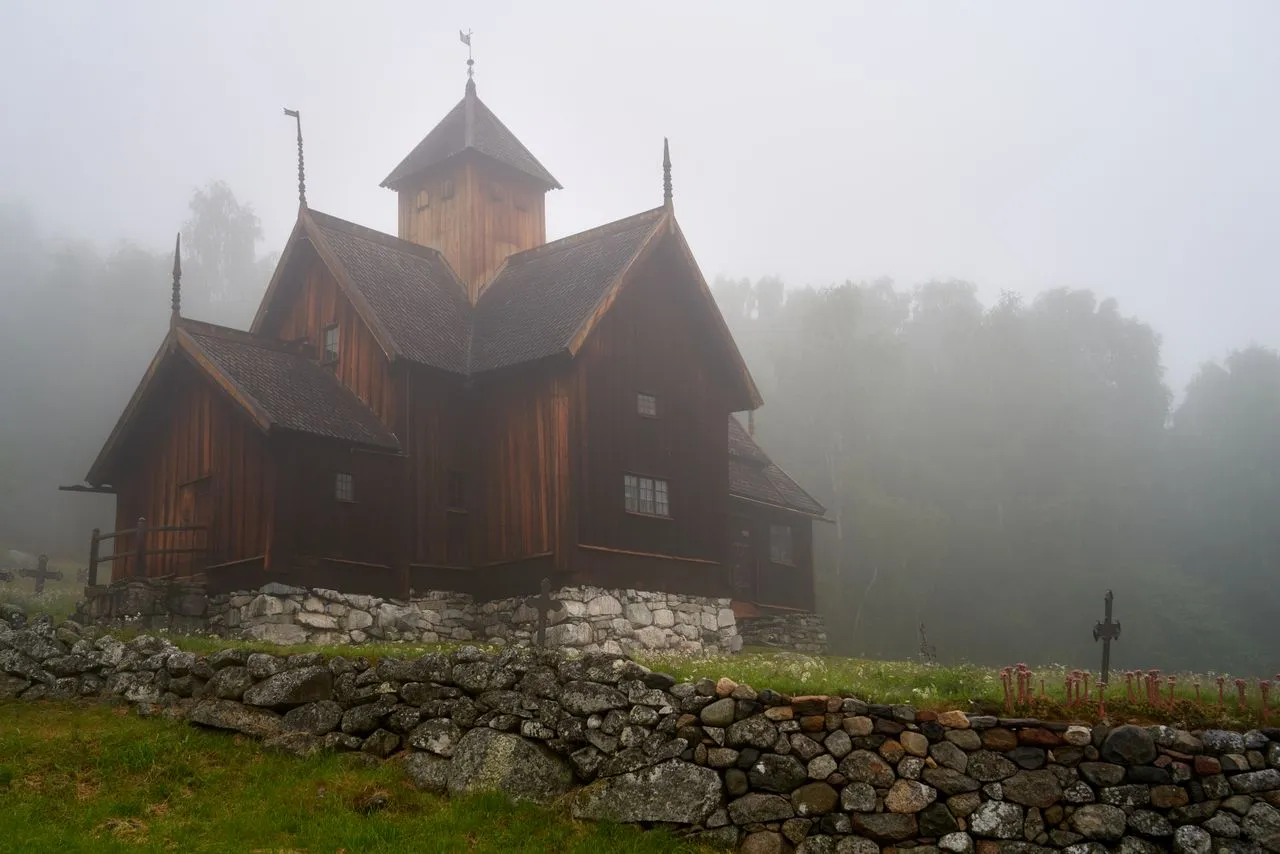
Norwegian dialects vary significantly across regions, often differing in pronunciation and vocabulary.

How Chinese keyboard input methods work, including Pinyin typing and other tools used to write Chinese characters.
Serbo-Croatian refers to the closely related language varieties spoken in Bosnia, Croatia, Montenegro, and Serbia.