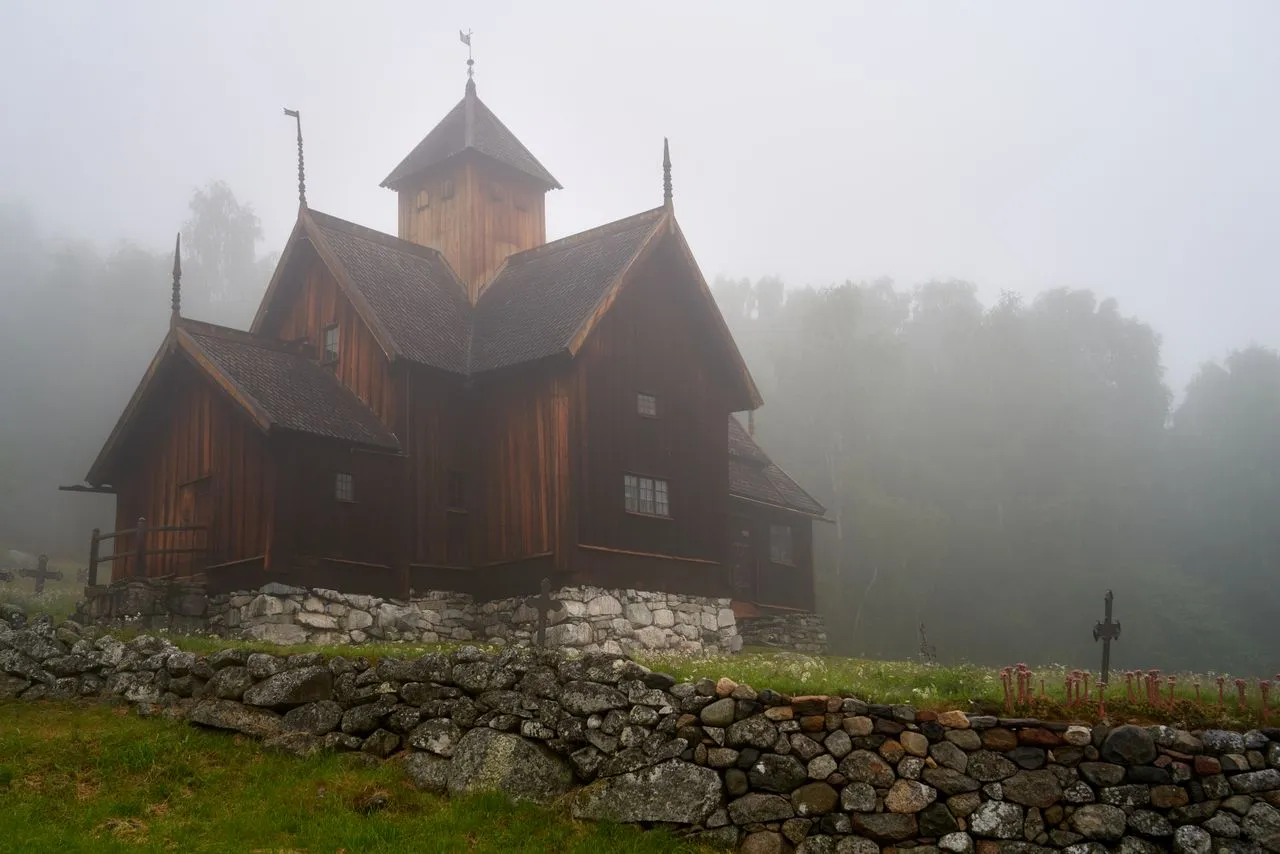
Why Norwegian Dialects are Important
Norwegian dialects vary significantly across regions, often differing in pronunciation and vocabulary.
What makes Khmer challenging to learn, including its script, pronunciation, and complex writing system.

Khmer is a language that is, at the same time, extremely easy and extremely difficult. Its grammar is relatively straightforward, with no verb conjugations, grammatical gender, or noun cases. Instead, the main difficulties come from its complex pronunciation, rich vowel system, and unique script.
Like many Southeast Asian languages, Khmer grammar is quite easy and students would not take much time to learn it. For example, there are no verb conjugations, which means that the verb never changes according to the subject, tense, or number. So the same verb can mean eat, eats, ate, or will eat, and it is the context that will make clear when the action is happening (for example, if you use words like today or tomorrow).
ខ្ញុំញ៉ាំបាយ។ — I eat rice. / I am eating rice.
ខ្ញុំញ៉ាំបាយម្សិលមិញ។ — I ate rice yesterday.
ខ្ញុំញ៉ាំបាយថ្ងៃស្អែក។ — I will eat rice tomorrow.
Another advantage is that Khmer has no grammatical gender. Nouns are not classified as masculine or feminine, it has no articles, and it also has no noun cases like those found in other languages.
Khmer also uses the same base pronoun for I, me, and my, with the meaning determined by word order and context rather than by changing the pronoun itself.
For example, the common pronoun ខ្ញុំ (khnhom) can mean:
ខ្ញុំ (khnhom) – I
គេឃើញខ្ញុំ (ke khœnh khnhom) – They see me
ផ្ទះខ្ញុំ (phteah khnhom) – My house
But there are also some things that are a bit unusual. One of them is classifiers, although they are generally less rigid and less frequently required than in languages like Chinese, Thai, or Vietnamese. Classifiers most commonly appear after a number to specify what kind of thing you are talking about. For example, if you are talking about people, you have to use the correct classifier for that category, and so on.
មនុស្សបីនាក់ (mnoussa bei neak) – three people. Here, នាក់ (neak) is the classifier for people.
Anyway, there are only a few very common classifiers you'll encounter regularly, and they become natural easily with some exposure.
So, if grammar is easy, pronunciation is not. In fact, it is often seen as the biggest challenge for most learners. Khmer has one of the largest numbers of vowels in the world, with around 20 vowel qualities and many long-short distinctions. To an English speaker, several vowels may sound almost identical at first, but changing the vowel can completely change the meaning of a word.
But a huge advantage is that, unlike neighboring Thai, Chinese, or Burmese, Khmer is not a tonal language. You do not need to memorize tones for every word, which removes one major obstacle, even if this does not necessarily make pronunciation easier to learn.
Did you know that, according to a former Facebook employee, half of audio messages came from Cambodia? It took a while to figure out that it was because of the Khmer script. In fact, it is considered one of the most difficult scripts in the world, and people prefer to send audio messages instead to save time and be faster.
But is it really so difficult? It is an alphabet like the English one, but it works a bit differently. It contains more than 30 consonants, each belonging to one of two consonant series that affect the pronunciation of the attached vowel. There are also numerous dependent vowel signs, independent vowels, and consonant combinations. In total, there are more than 74 possible combinations students must learn.
Moreover, unlike the Latin alphabet, spaces are generally used to separate phrases rather than individual words, so beginners often struggle to identify where one word ends and the next begins.
The honest answer is both. If you tried to learn a language with complex grammar, learning Khmer will feel like a relief, and you will start building simple, correct sentences almost right away. What takes real time and patience is the pronunciation and the script: training your ear to hear the difference between vowels that sound nearly identical, and training your eye to recognize dozens of consonants, vowel signs, and their combinations.
Norwegian dialects vary significantly across regions, often differing in pronunciation and vocabulary.

How Chinese keyboard input methods work, including Pinyin typing and other tools used to write Chinese characters.

Serbo-Croatian refers to the closely related language varieties spoken in Bosnia, Croatia, Montenegro, and Serbia.
What makes Somali a challenging language to learn, including its grammar, pronunciation, and unique phonetic system.

A look at the main Albanian dialects, including Gheg and Tosk, and how they differ in pronunciation and vocabulary.