Is Khmer Difficult to Learn for Native English Speakers?
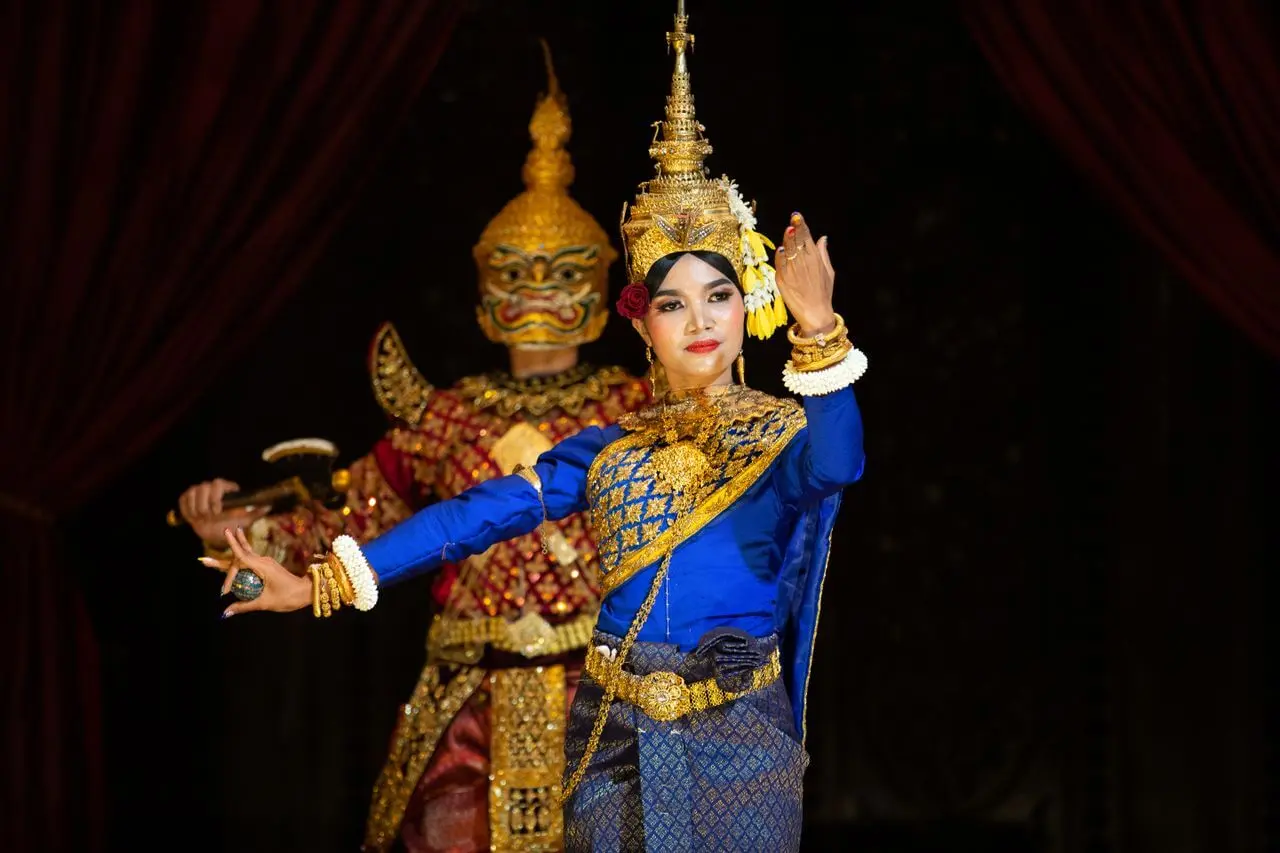
What makes Khmer challenging to learn, including its script, pronunciation, and complex writing system.
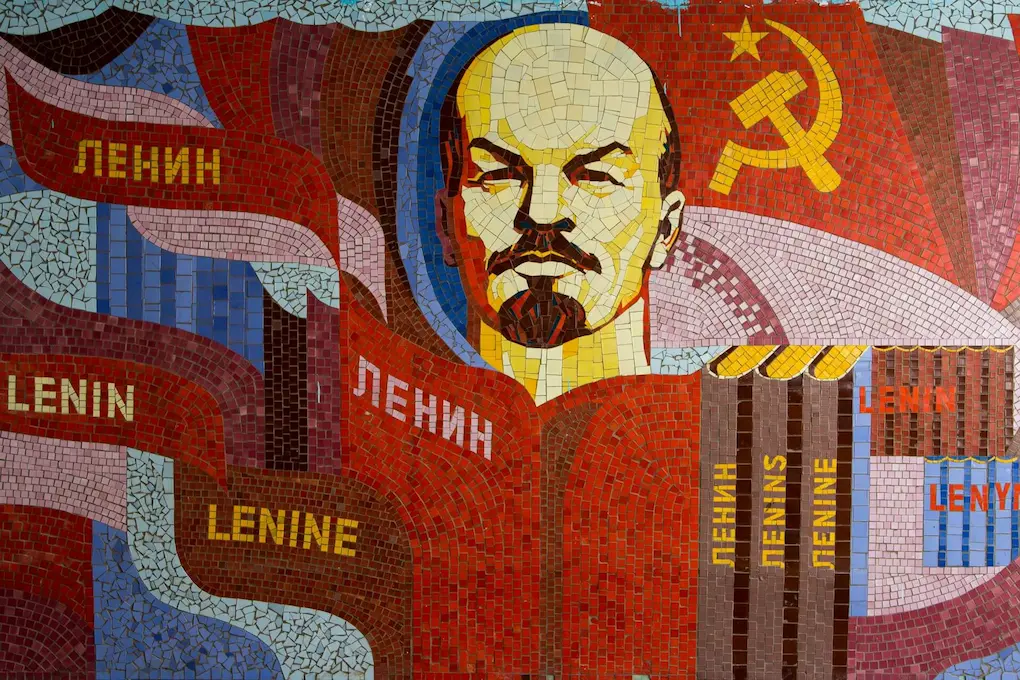
A brief history of the Russian alphabet, its evolution from Cyrillic roots, and how it is used today.
Long ago, the Slavic peoples, who are the ancestors of today's Russians, Bulgarians, Serbs, Ukrainians, and many others, didn't have their own writing system. Like many other nomadic people, they spoke their own languages, but if they wanted to write something down, there was no proper alphabet available for those languages, so they had to pass information orally.
Fast forward to the middle of the ninth century. Bulgaria was a big, powerful empire at the time, but it had the same problem as every other Slavic land: no script of its own to write its language.
This became a real issue for the Bulgarian ruler, Boris I. Boris had just converted to Christianity, and Christianity in that era relied heavily on written texts, prayers, the Bible, and church services. Without an alphabet, spreading the new religion and properly ruling his country was going to be very difficult.
So Boris turned to two brothers who were already famous for their work with the Slavic people: Cyril and Methodius. These two had spent years living among Slavic populations and understood their language deeply. Boris asked them to create an alphabet that Slavic people could use, partly for religious reasons, and partly to help him govern his empire more effectively.
Here's a detail many people don't know: Cyril had actually already invented an alphabet before Boris even asked for one. It was called the Glagolitic alphabet, and it was the very first writing system made specifically for the Slavic languages.
Glagolitic worked, but it was complicated. Its letters were unusual and quite difficult to write quickly.
Cyril passed his knowledge on to two of his students, Clement and Naum. These two took the ideas behind Glagolitic and created a new, simplified alphabet, one that was much easier to write and read. In honor of their teacher, this new alphabet was named Cyrillic.
Cyrillic quickly became popular because it was so much more practical than Glagolitic. Over time, it spread far beyond Bulgaria to other Slavic populations, and eventually it made its way into Russia, where it was adapted further to fit the sounds and needs of the Russian language.
Centuries later, Russia's famous reforming tsar, Peter the Great, decided the alphabet needed modernizing. Peter was obsessed with making Russia look and feel more like Western European countries, and the alphabet was no exception.
He simplified the letter shapes, cut out some unnecessary letters, and redesigned others so they looked cleaner and closer to the Latin letters used across Europe. This reform, often called the civil script, made Russian writing faster to produce and easier to print, a big deal in the age of the printing press.
After the Revolution, the Bolsheviks carried out a spelling reform. Their goal was to simplify the alphabet and make literacy easier to spread across the country. They removed a few letters entirely and merged letters that sounded identical, keeping only the simpler of the two. Two letters in particular were eliminated:
ѣ (yat') This letter was replaced everywhere by е. So words like колѣно became колено (knee), вѣра became вера (faith), and въ избѣ became в избе (in the hut).
ѳ (fita) This one was replaced by ф. So names and words like Фома (Thomas), Афанасий (Athanasius), фимиам (incense), and кафедра (pulpit/chair) kept their sound but lost their old, extra letter.
Thanks to these changes, the alphabet shrank from 35 letters down to 32.
Interestingly, the story doesn't end here. Some time later, the letter ё (which is pronounced like io) which had existed informally for a while but wasn't officially recognized was finally approved as its own separate letter. This brought the total back up to 33 letters, and that's exactly how many letters the Russian alphabet has today.
Cyrillic didn't stop at Russia's borders. Today, it's used as the official writing system by many countries across Eastern Europe and Central Asia, like Bulgaria, Ukraine, Serbia, Kazakhstan, and Mongolia. That said, in recent years, some countries have started moving away from it, switching to Latin-based alphabets instead, often for political or modernization reasons, like, for example, Kazakhstan, which stopped using Cyrillic in 2026.
What makes Khmer challenging to learn, including its script, pronunciation, and complex writing system.
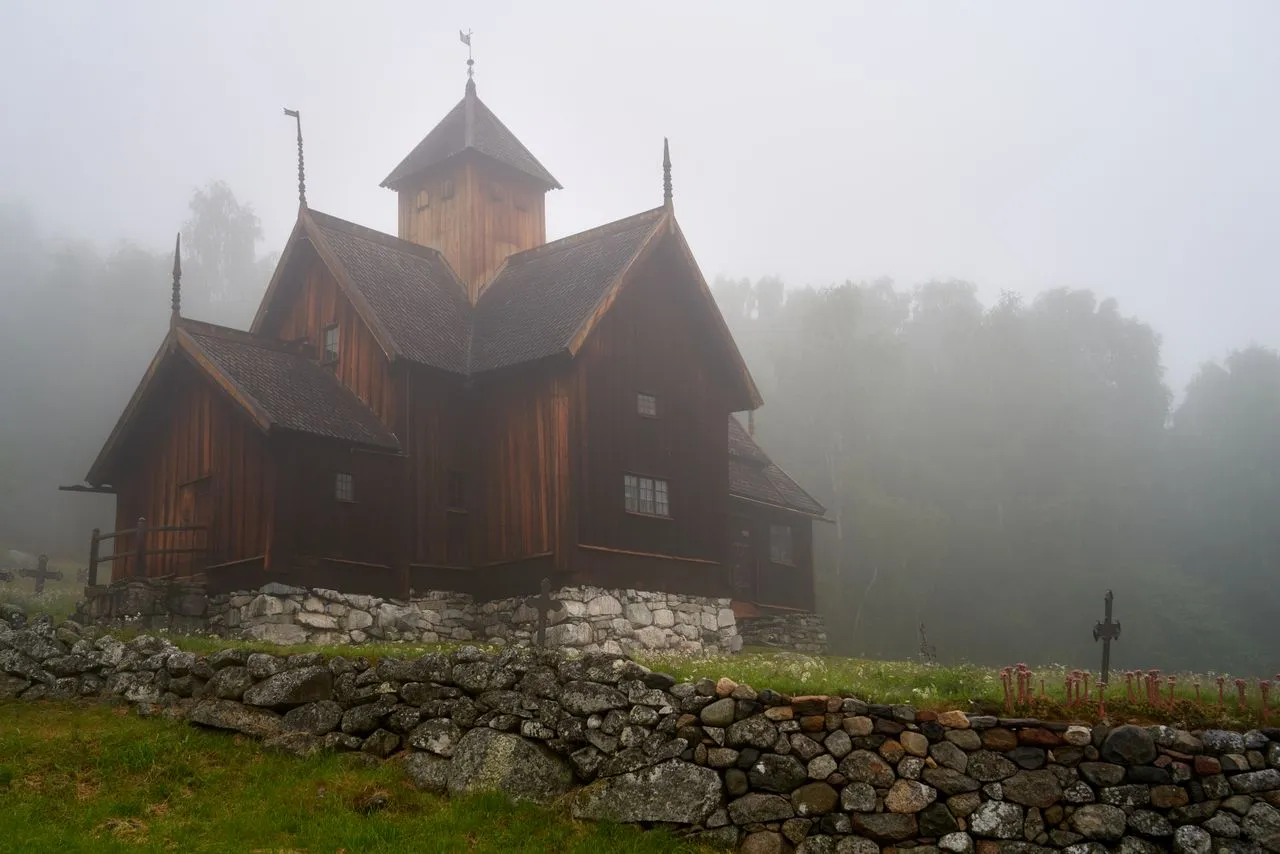
Norwegian dialects vary significantly across regions, often differing in pronunciation and vocabulary.

How Chinese keyboard input methods work, including Pinyin typing and other tools used to write Chinese characters.

Serbo-Croatian refers to the closely related language varieties spoken in Bosnia, Croatia, Montenegro, and Serbia.
What makes Somali a challenging language to learn, including its grammar, pronunciation, and unique phonetic system.