Danish Dialects Across Denmark
Discover the different dialects of Danish and how they vary across Denmark, with differences in pronunciation, vocabulary, and speech patterns.
Explore Emilian and Romagnol Languages spoken across Emilia-Romagna, including their pronunciation, grammar, vocabulary, and local variations.
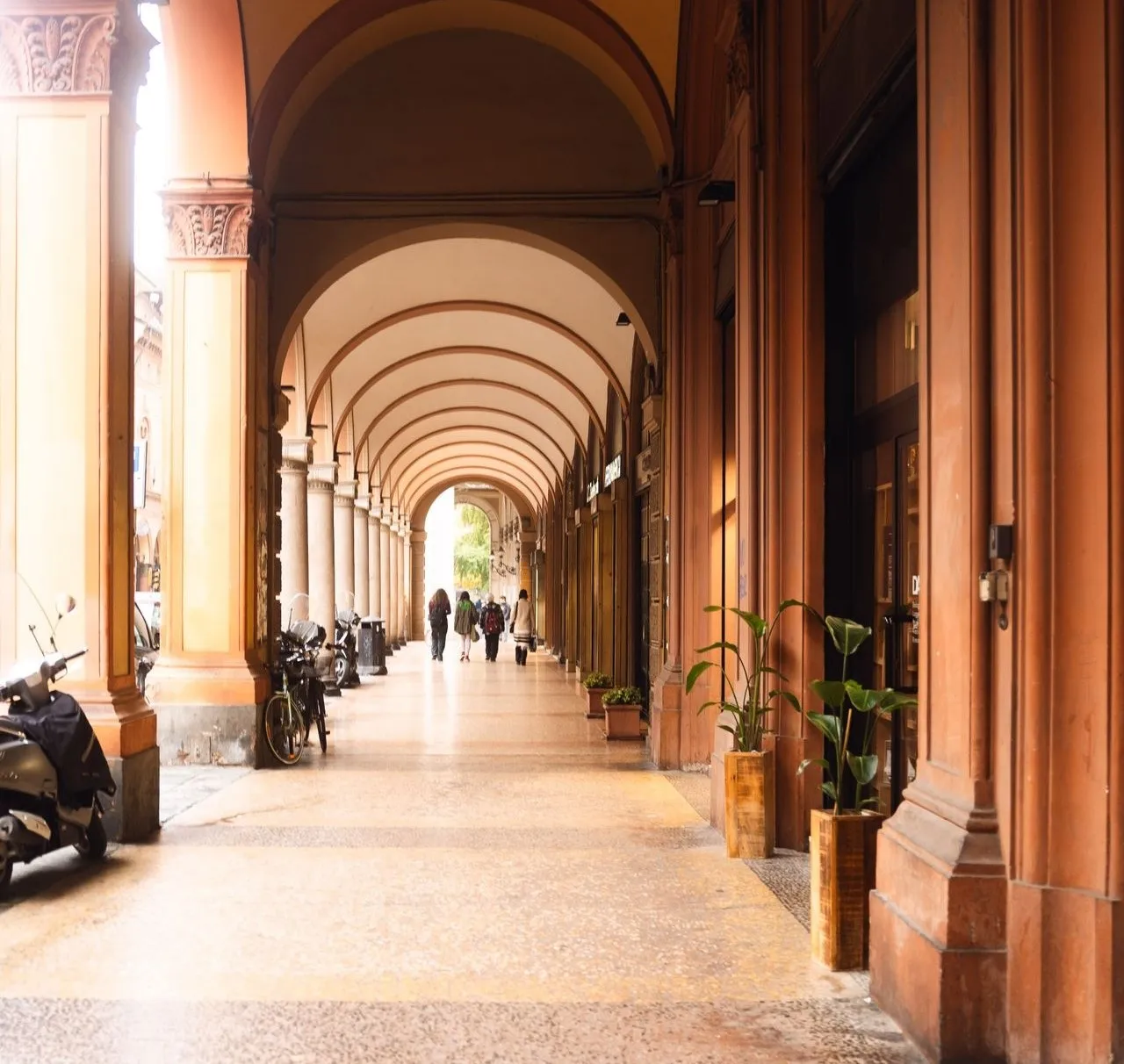
Have you heard of Emilia-Romagna? It is a region in the north of Italy known for its great food, such as tagliatelle, tortellini and lasagne. Today, Emilia-Romagna is one single region. But historically, it was made up of two parts. Emilia is in the west. Romagna is in the east, next to the sea.
Even though they are in the same region, the two parts feel different. They have different identities, different histories, and their people speak different languages: Emilian and Romagnol. People from Emilia and people from Romagna can get upset if you mix them up. So be careful! Never say that a person from Romagna is from Emilia, or the other way around.
Generally speaking, both Emilian and Romagnol belong to what linguists call the Gallo-Italic language family, which has been strongly influenced by Celtic languages. They share many similarities with other languages spoken in northern Italy, like Lombard, although they can sometimes be quite difficult for speakers of other Italian regional languages to understand.
Emilian is a language spoken in Emilia, but you can also hear it in the top corner of Tuscany, in the province of Massa and Carrara (Italian regional languages and dialects don't follow regional borders at all). There are many different dialects of Emilian. They correspond to the provinces that make up Emilia.
Parmesan: is spoken in the province of Parma.
Reggiano: is spoken in the province of Reggio Emilia.
Modenese: is spoken in the province of Modena.
Piacentino: is spoken in the province of Piacenza.
Ferrarese: is spoken in the province of Ferrara.
But the accent also changes from city to city and even from village to village. Some words change too. So a person from Modena and a person from Piacenza may not speak the same way, even if both speak Emilian.
Bologna is the capital city of the region and is located right on the border between Emilia and Romagna, but it belongs to the Emilian-speaking area, so Bolognese is considered a dialect of Emilian.
Romagnol is the language of Romagna, the eastern part of the region. People speak it in Ravenna, Forlì, Cesena and Rimini. But you can also hear it in the Marche region, and it is the dialect spoken in San Marino, the tiny state surrounded by Italy.
Like Emilian, Romagnol has many sub-dialects, and each town can have its own typical words and accent. For example, there are several words for saying child or boy". The word burdèl is the most popular and is used throughout the region, but in Ravenna, people prefer to use the word tabac, and in Faenza, basterd.
Here are some popular words common throughout the region. We chose them because Emilian and Romagnol speakers also use them when they speak Italian, so you might hear them if you ever visit the region.
This is the most popular insult in Romagna. It means a person who is a bit silly and not particularly smart. People generally say it in a friendly way without really wanting to offend someone, but pay attention to it anyway. The origin of this word is uncertain, but it probably comes from the name of a low-value coin.
As you can guess, this word comes from patacca, and it means a stupid thing. For example, you can say Ho fatto una pataccata to mean I have done something very stupid". But it is not the only word derived from patacca. There are many others, like pataccaggine, the attitude of being a patacca, and spataccarsi, which means to laugh a lot.
This is an expression people use when they are surprised or amazed by something. It is like saying Wow! or Oh my goodness! Vacca means cow, while boia was the name given to the person who carried out executions in the past.
This word is not strictly speaking Emilian; it is more Bolognese slang, but we wanted to include it here anyway. It literally means old", but young people use it to address their friends, just as you might say dude or mate in English. So it is a friendly word, and nobody is calling you old!
This is a fantastic word, and we simply could not leave it out! This word literally means little man and comes from the Bolognese dialect. It refers to an older man who likes to watch people working on building sites or roadworks. He stands with his arms crossed behind his back, watching carefully and giving workers unsolicited advice, because, of course, he knows how to do things better than the workers!
Discover the different dialects of Danish and how they vary across Denmark, with differences in pronunciation, vocabulary, and speech patterns.
An overview of the challenges in learning Armenian, including its unique alphabet and complex grammar.
Discover the different Finnish dialects and how pronunciation, vocabulary, and expressions vary across Finland.
Sardinian is a distinct Romance language spoken on the island of Sardinia with ancient linguistic roots.
What makes Slovak a challenging language, from its grammatical cases to pronunciation and verb structure.