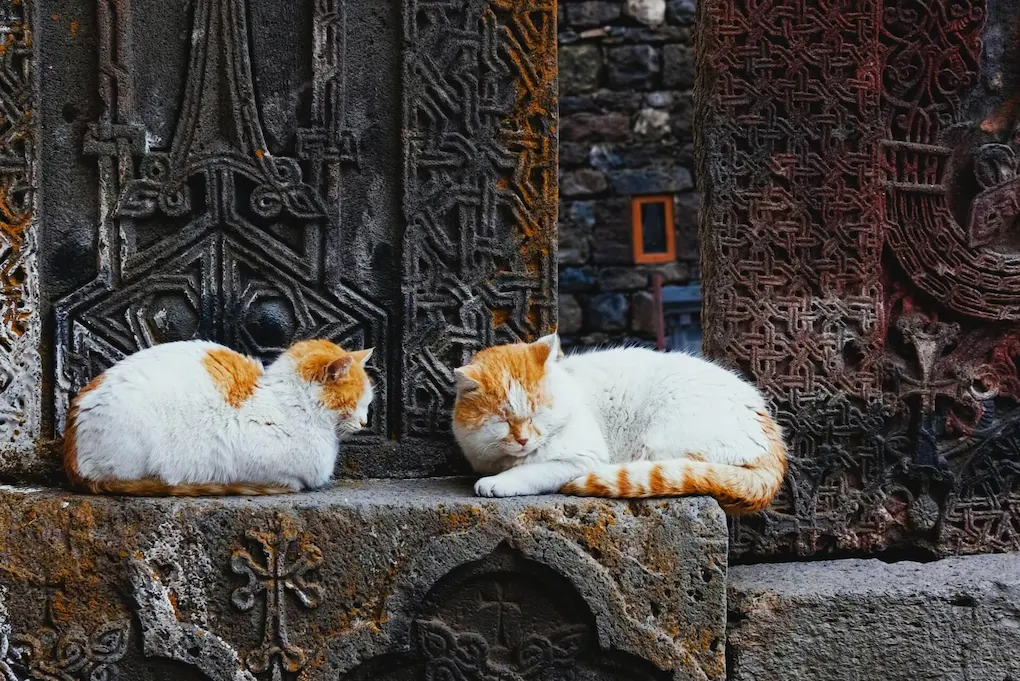
How difficult is Armenian for English speakers?
An overview of the challenges in learning Armenian, including its unique alphabet and complex grammar.
Discover the different dialects of Danish and how they vary across Denmark, with differences in pronunciation, vocabulary, and speech patterns.
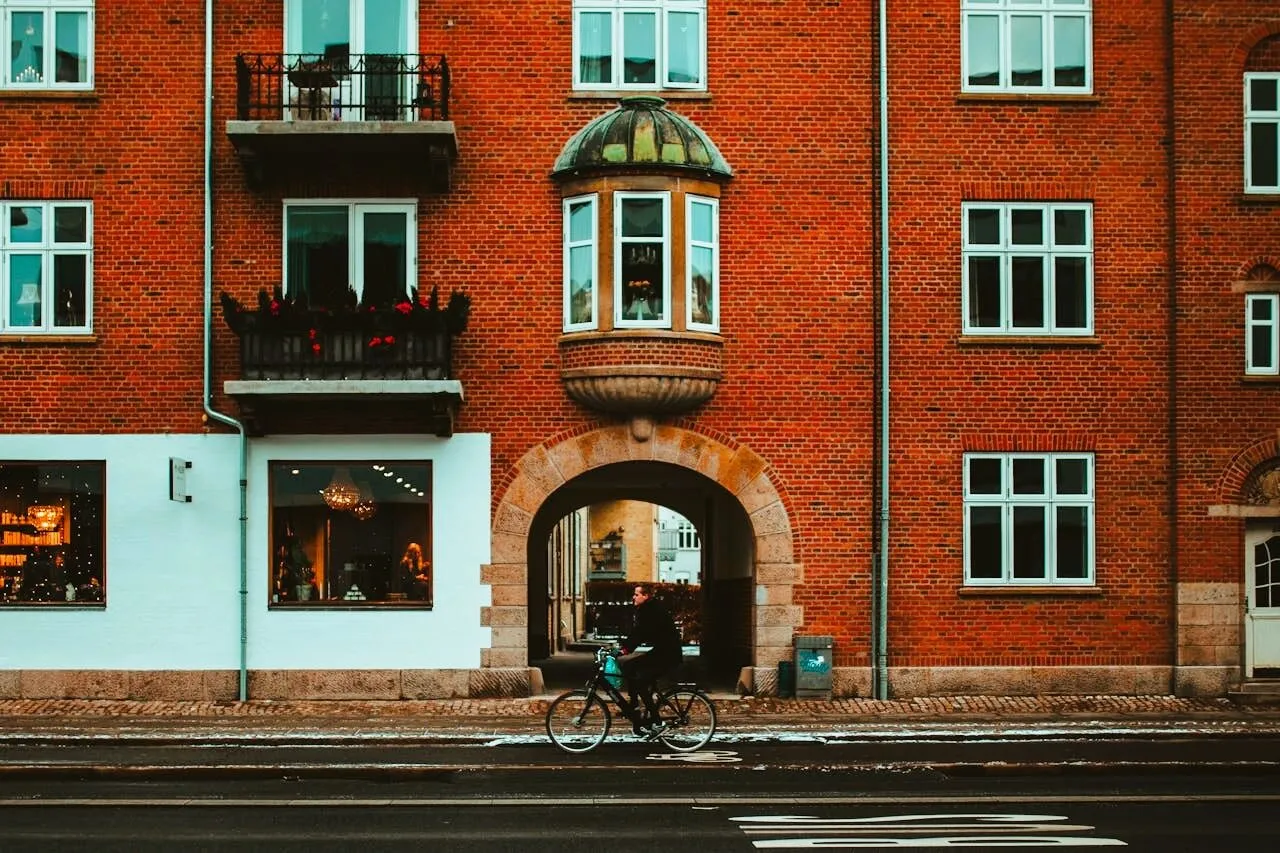
A long time ago, Denmark had many different dialects, and a person from one part of the country could sound very different from a person in another part. Today, this is mostly gone. Most Danes speak rigsdansk, which is standard Danish. Many people still have a small accent from their region, and they might use a few local words, but original dialects are rare to hear now.
It is quite difficult to give an exact number. It depends on how you count, because one dialect slowly turns into the next. Anyway, linguists usually put them into three big groups:
Jysk (Jutlandic): spoken in Jylland, the peninsula that is connected to Germany and makes up most of mainland Denmark.
Ømål (island dialects): Ø means island and mål means language. These dialects are spoken on the islands of Fyn and Sjælland, the island where Copenhagen is located.
Bornholmsk: spoken on Bornholm, an island located in the middle of the Baltic Sea, just below southern Sweden.
But within each group, there are many different subdivisions. For example, Ømål includes Sjællandsk (from Sjælland) and Fynsk (from Fyn). Jysk includes Nordjysk (North Jutlandic) and Sønderjysk (South Jutlandic), and so on.
Rigsdansk is based on the way people speak in Copenhagen, the capital of the country. Over time, it has become the standard language used in all official settings, such as schools, the news, TV, work, and so on. Because of this, it has pushed out the local dialects. Some studies say that dialects are disappearing much faster today than in the past.
Moreover, dialects also carry strong stereotypes. Some people associate them with the countryside or with being old-fashioned, and this is one more reason why young people choose to speak standard Danish.
South Jutland is the area next to the German border. It belonged to Germany for some decades, from 1864 until 1920. This history helps explain why the dialect sounds a bit different from the rest of Denmark. It is also used a bit more than other dialects, so you might hear some people speaking it if you ever visit the area.
Here are some things that make it different:
The article æ. In standard Danish, the word for “the” is added to the end of the noun: manden (the man). In Sønderjysk, the article is a separate word before the noun: æ mand.
No stød. Stød is a short interruption in speech that comes from the throat, called a glottal stop. It is a normal part of standard Danish, but Sønderjysk does not have it.
Mojn. People also use different words, such as mojn, a greeting that can be used to say hello but also to say goodbye. It is very similar to moin, which people say is used in northern Germany, including in the city of Hamburg.
Bornholm has the most distinctive dialect of all. The reason is the location and history of Bornholm. It is an island located in the Baltic Sea, far from the rest of Denmark. For a long time, it was cut off, so its language changed in its own way.
Bornholmsk is also closer to Skånsk, the dialect from Skåne in southern Sweden, which is the nearest land across the water. This is one reason why people from other parts of Denmark often find it hard to understand.
It has its own particularities. For example, it has three grammatical genders, unlike standard Danish, which has two (common and neuter). Three genders are an old feature that most Scandinavian languages, including Swedish and Danish, have lost, but Bornholmsk has kept it.
An overview of the challenges in learning Armenian, including its unique alphabet and complex grammar.
Discover the different Finnish dialects and how pronunciation, vocabulary, and expressions vary across Finland.
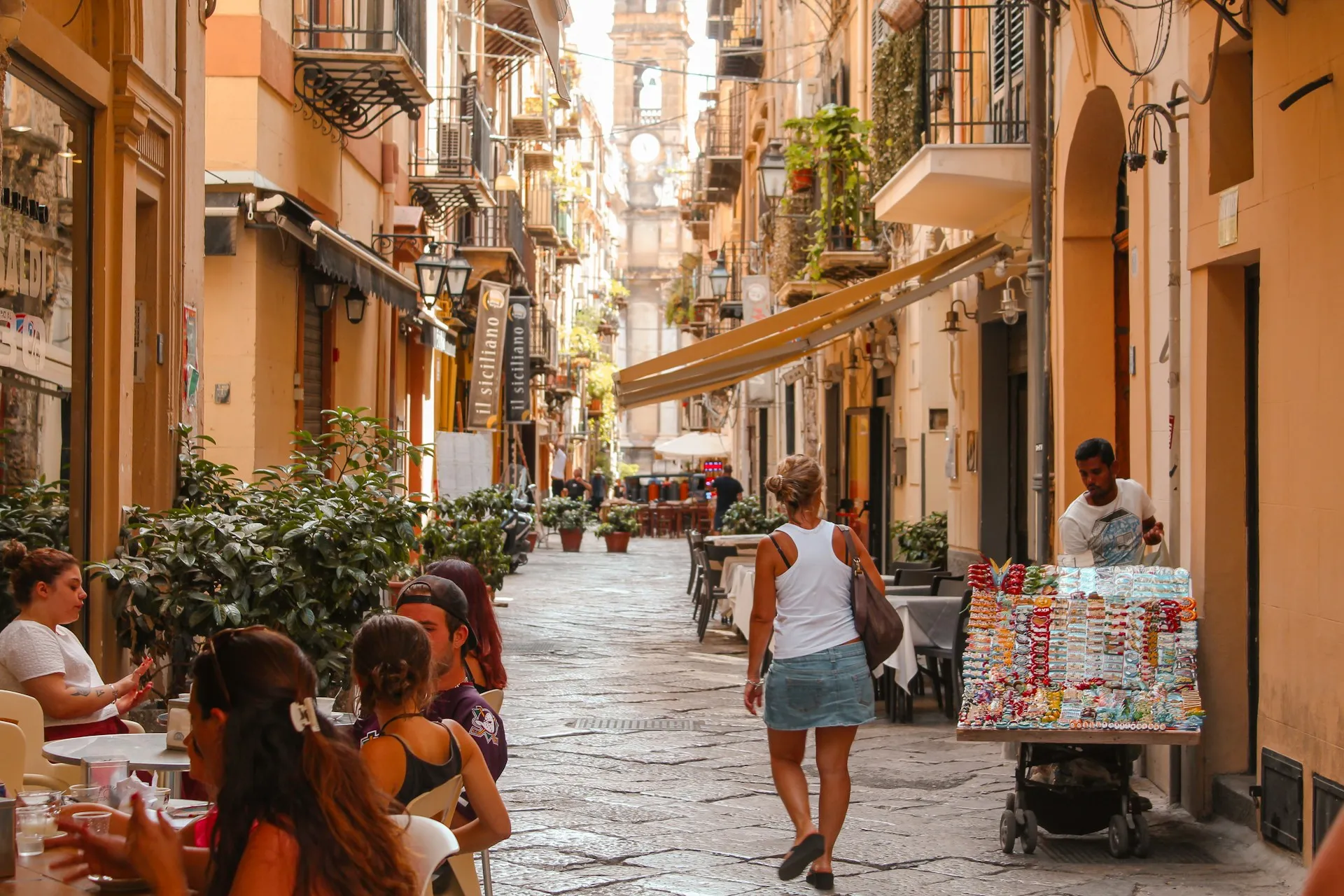
Sardinian is a distinct Romance language spoken on the island of Sardinia with ancient linguistic roots.
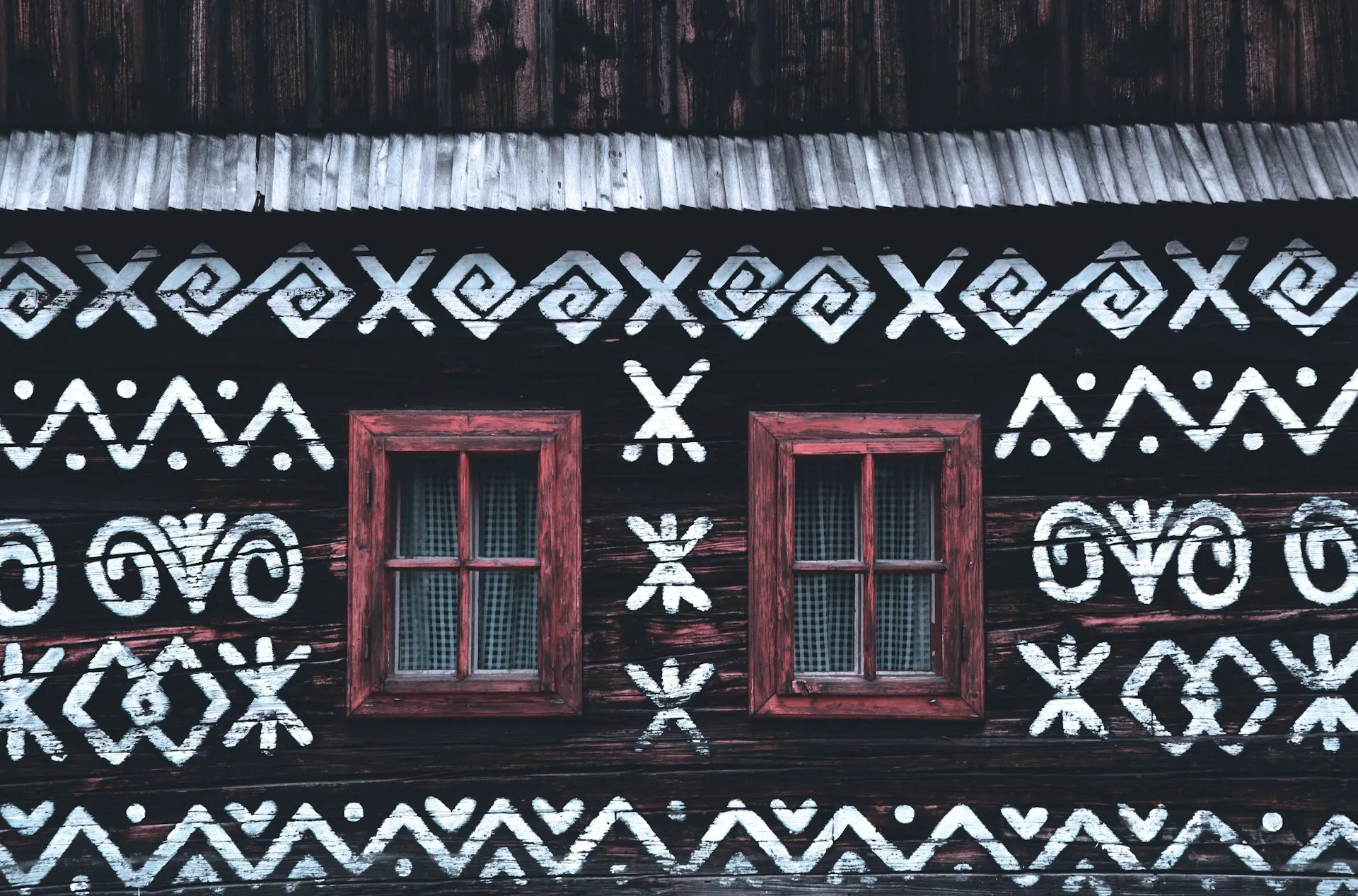
What makes Slovak a challenging language, from its grammatical cases to pronunciation and verb structure.
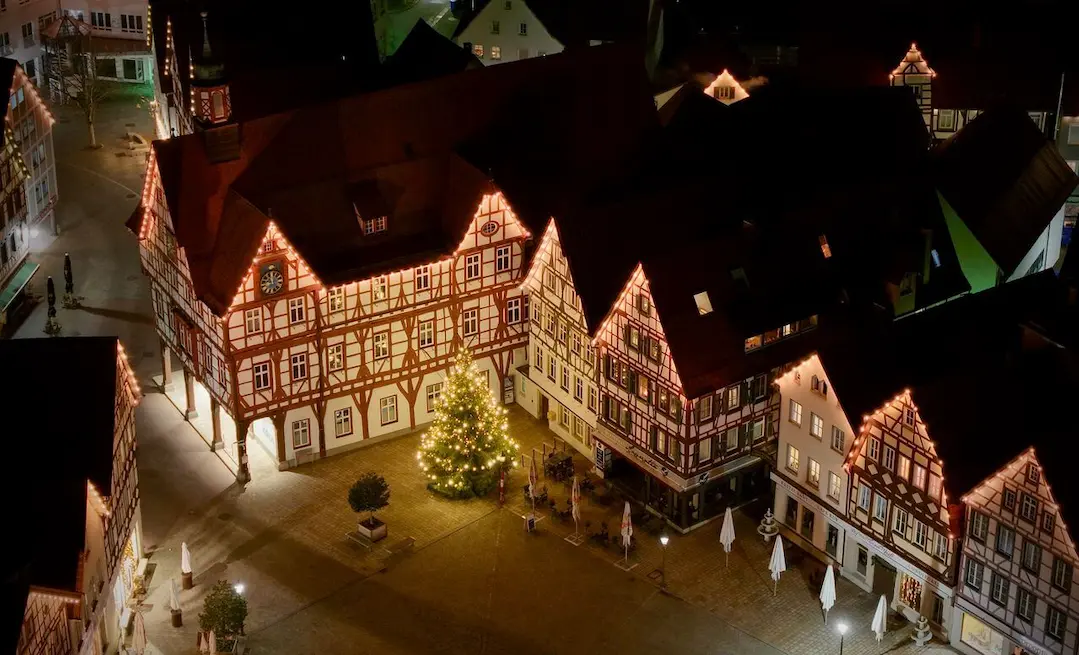
An overview of the Swabian (Schwäbisch) language, including its pronunciation patterns and regional usage in southwestern Germany.