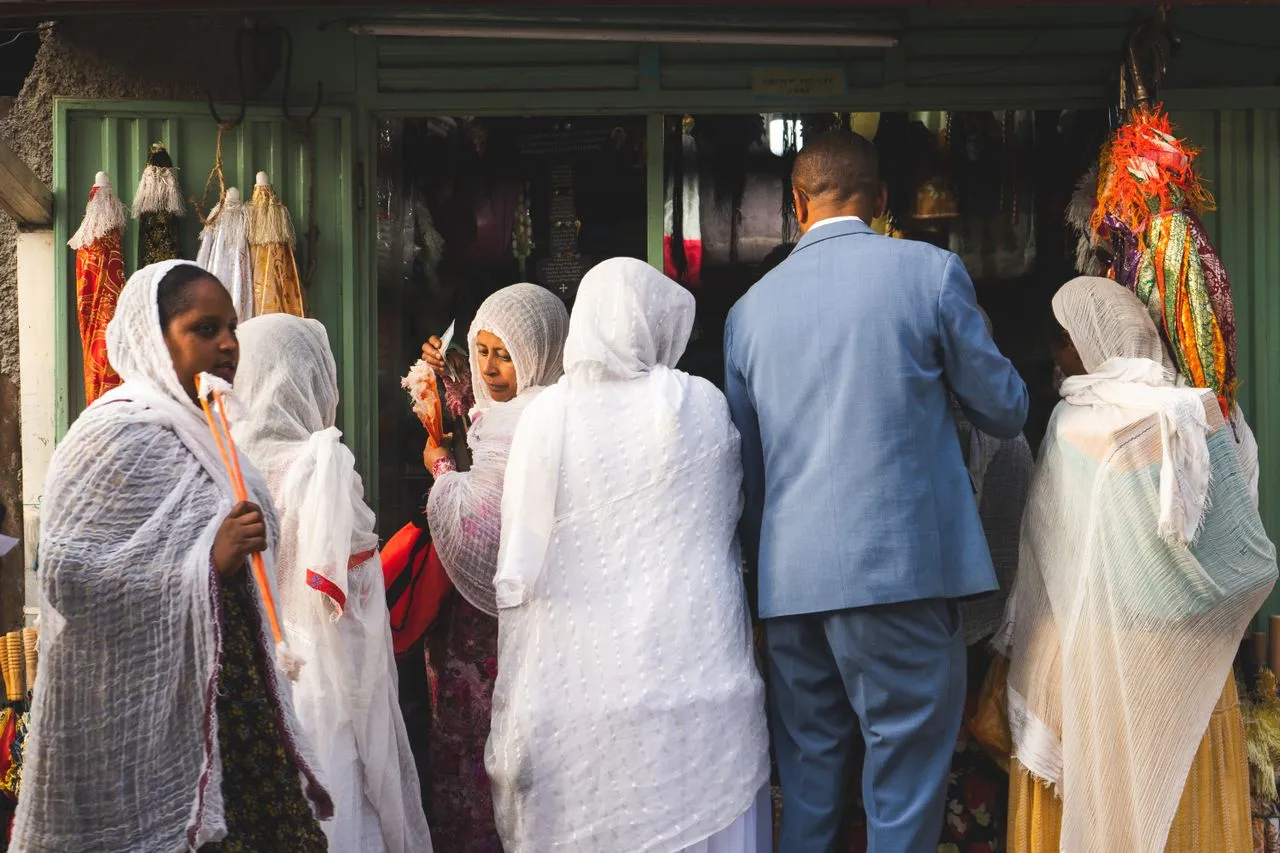
Why is Amharic so Hard to Learn?
Discover the challenges of learning Amharic, including its unique Geʽez script, complex grammar, pronunciation, and verb system.
Learn about Kölsch, the traditional dialect of Cologne, its distinctive pronunciation, vocabulary, and role in local culture.
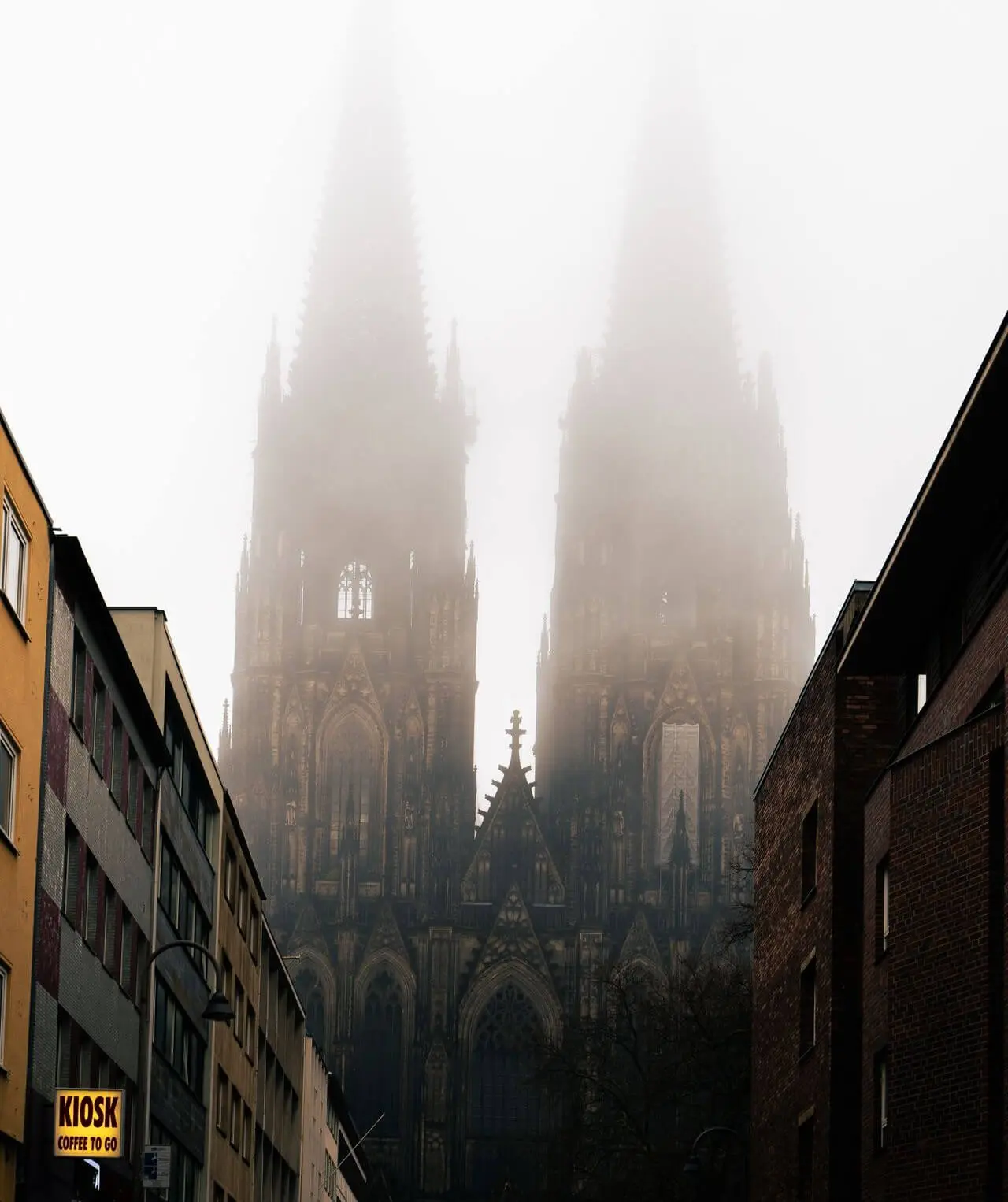
Kölsch is the German dialect traditionally spoken in Cologne, one of the largest and most popular cities in western Germany. Like many German dialects, Kölsch is becoming less common in everyday life. Many people, especially younger speakers, prefer to use only Standard German in their everyday lives. However, you can still hear Kölsch words and expressions around the city, particularly if you visit during Cologne Carnival, since the traditional Carnival songs sung during the celebrations are very often in the dialect.
Even if it is not spoken by everyone, it remains an important part of the city's identity, together with Kölsch beer, Carnival, and FC Köln. For this reason, Kölsch is much more than just a dialect.
One of the easiest ways to notice Kölsch is its pronunciation. There are many sounds that are different from Standard German. If you are not a German native speaker, it can be hard to identify the Cologne dialect only from the accent or pronunciation, but here is a guide that might help you.
The letter G at the beginning of a word can sound more like a J. So, for example, gut (good) is pronounced like joot. This is the most important characteristic that is shared with other local languages of Germany, like, for example, Berlinerisch.
The sound IE can be pronounced like a long EE sound. The spelling stays the same, but the vowel sound can be longer and more open than in Standard German.
CH in some words can sound more like SH or SCH. This gives some Kölsch words a softer sound than their Standard German equivalents.
En at the end of some words can be pronounced more shortly or reduced in everyday speech. This can make Kölsch sound faster and more relaxed than Standard German.
Also, the vocabulary has many differences from Standard German, and here are some simple expressions and words that you may hear around the city.
| Kölsch | Standard German | English |
|---|---|---|
| Hallo | Hallo | Hello |
| Tach | Guten Tag | Hello / Good day |
| Jooden Tach | Guten Tag | Good day |
| Morje | Guten Morgen | Good morning |
| Wie es et? | Wie geht es? | How are you? |
| Tschüss | Tschüss | Bye |
| Danke | Danke | Thank you |
| Ich komme aus Kölle | Ich komme aus Köln | I come from Cologne |
| Driss | Mist | crap / nonsense |
Kölsch is strongly connected with the famous Cologne Carnival, a huge celebration that attracts thousands of tourists each year. It lasts for days and is one of the biggest events in all of Germany. During Carnival, people often sing songs in the dialect, and many words related to Carnival are in Kölsch. Here is a short list of those expressions with their meanings.
Kölle Alaaf! This is the traditional joyful cry of Cologne Carnival. It is usually shouted during Carnival celebrations and expresses pride and enthusiasm! The expression is traditionally translated as something like Long live Cologne! or Cologne above all!
Fastelovend This is the Kölsch word for the Carnival season. You will hear it frequently when people talk about Cologne's Carnival traditions.
Jeck Literally, this word means a crazy person but is also a term used to call a person who is dressed up and celebrating Carnival, so during Carnival, being a little jeck is considered a good thing!
Kamelle Sweets or candy. During Carnival parades, people traditionally throw sweets and other small gifts into the crowd, and people shout for Kamelle!
Discover the challenges of learning Amharic, including its unique Geʽez script, complex grammar, pronunciation, and verb system.
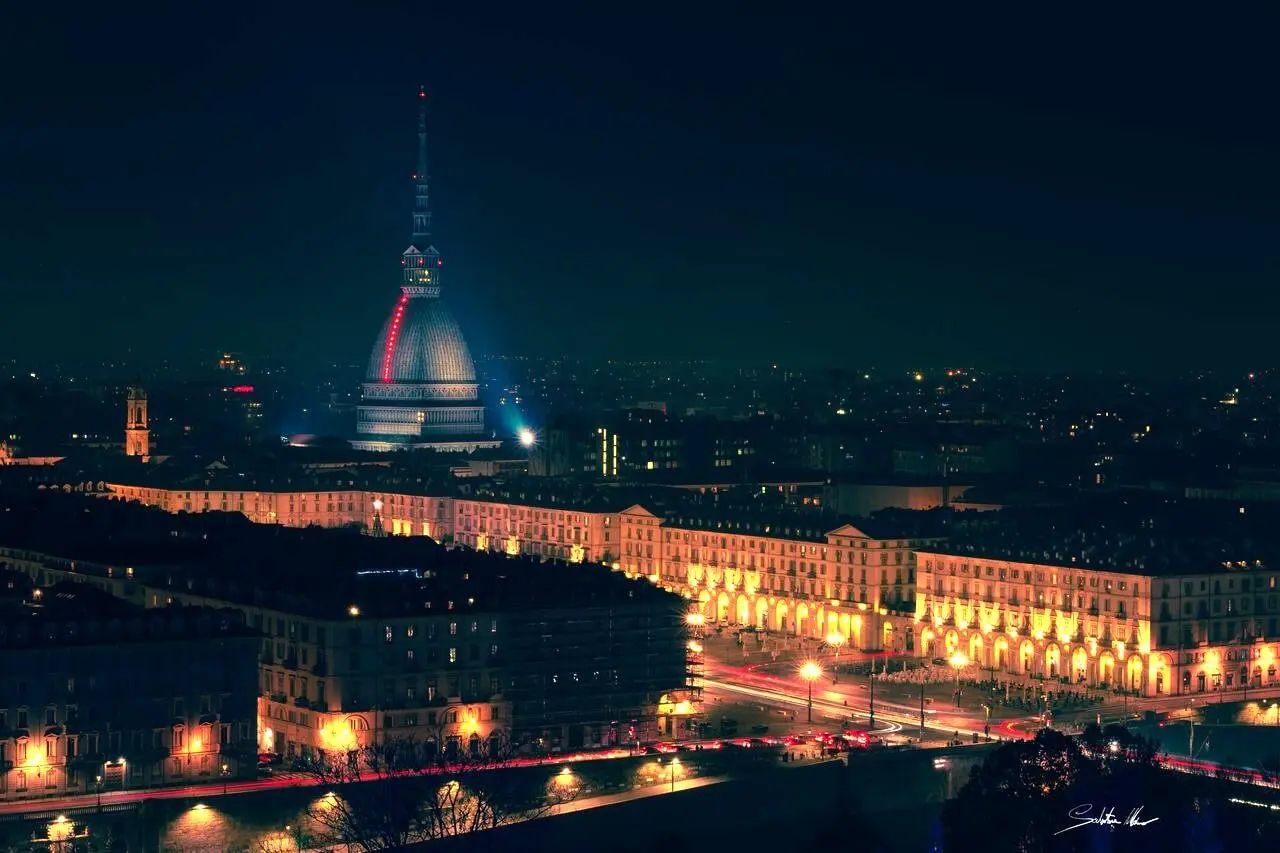
Explore the Piemontese language of northwestern Italy, including its unique grammar, historical French influence, and everyday vocabulary.
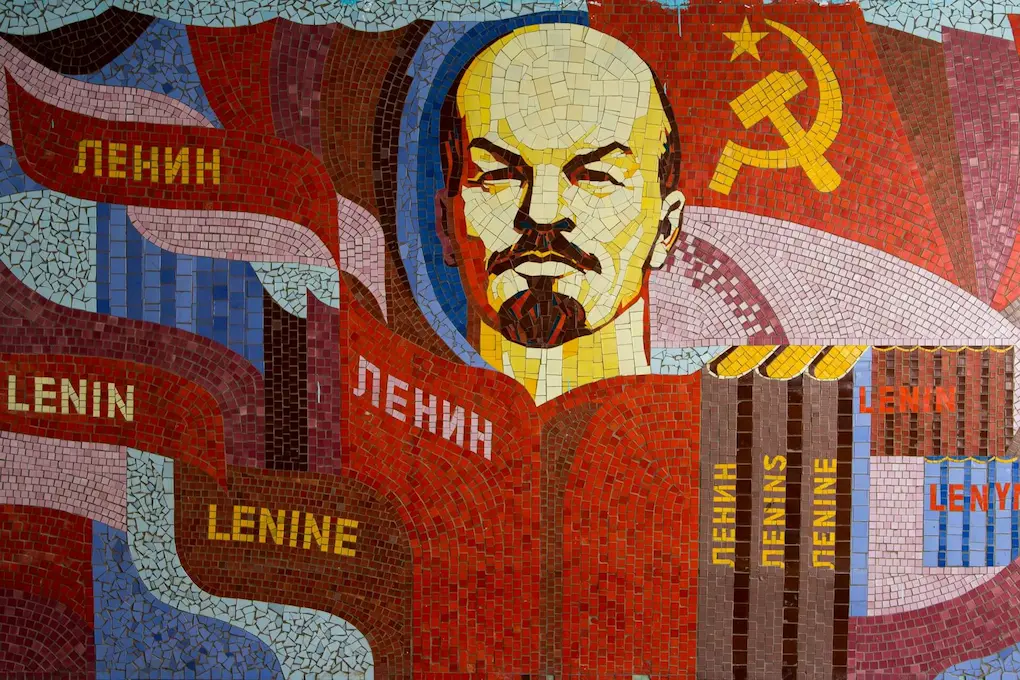
A brief history of the Russian alphabet, its evolution from Cyrillic roots, and how it is used today.

What makes Khmer challenging to learn, including its script, pronunciation, and complex writing system.
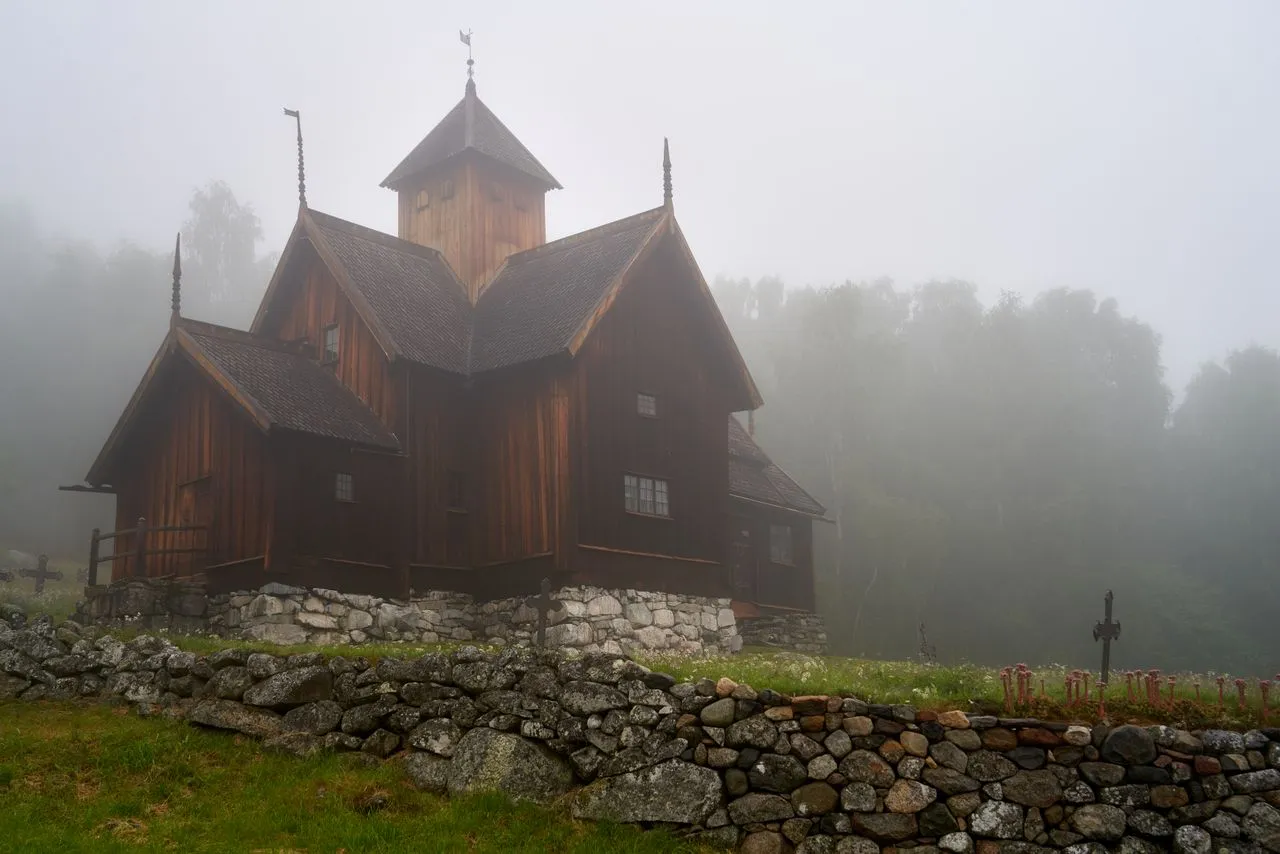
Norwegian dialects vary significantly across regions, often differing in pronunciation and vocabulary.