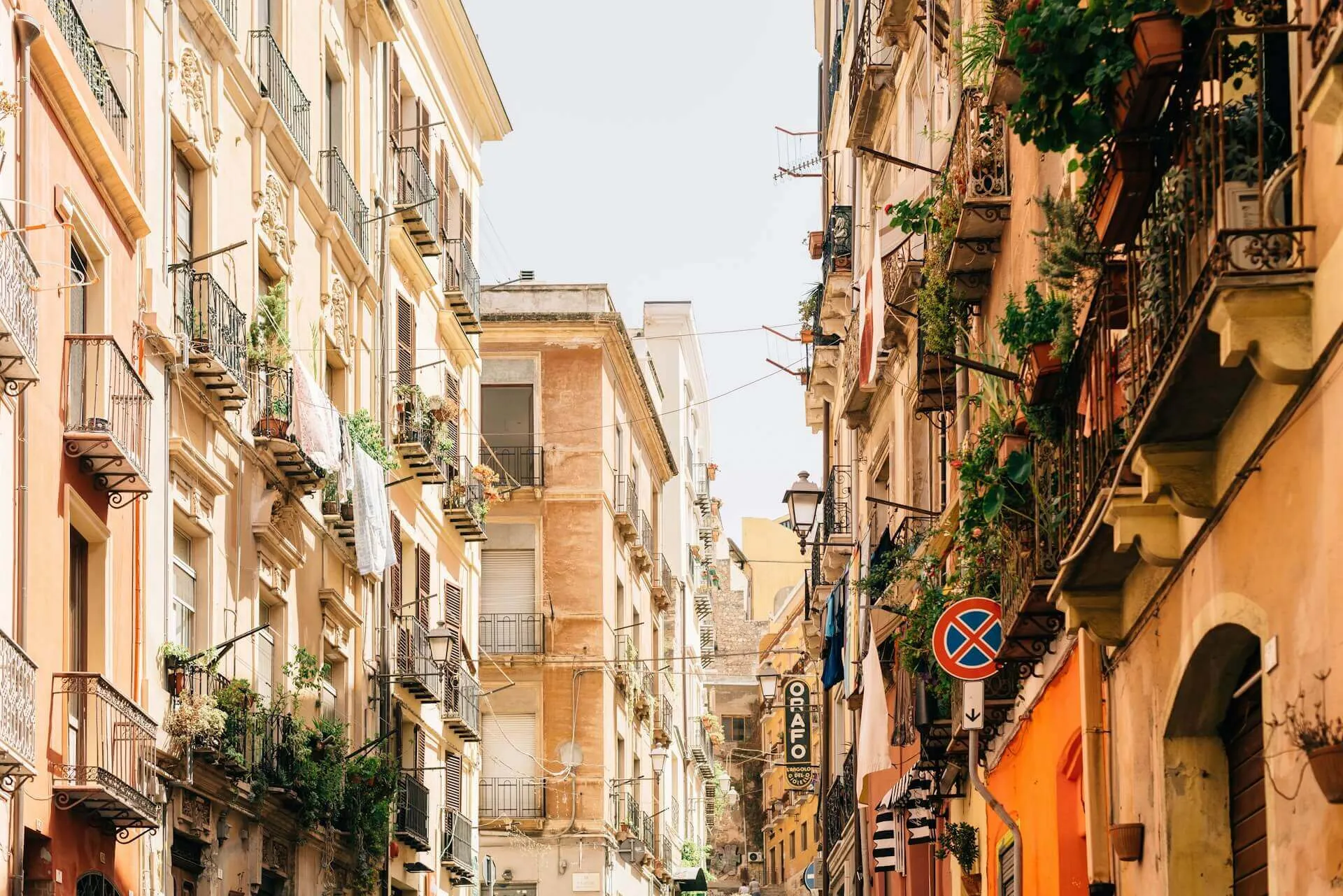
Discover Sicilian - The Language of Sicily
Sicilian is more than just a dialect, it’s a living language that reflects the depth and complexity of Sicily’s rich history
Explore Bolivian slang, including everyday expressions, regional vocabulary, and the cultural influences behind Bolivia's Spanish varieties.
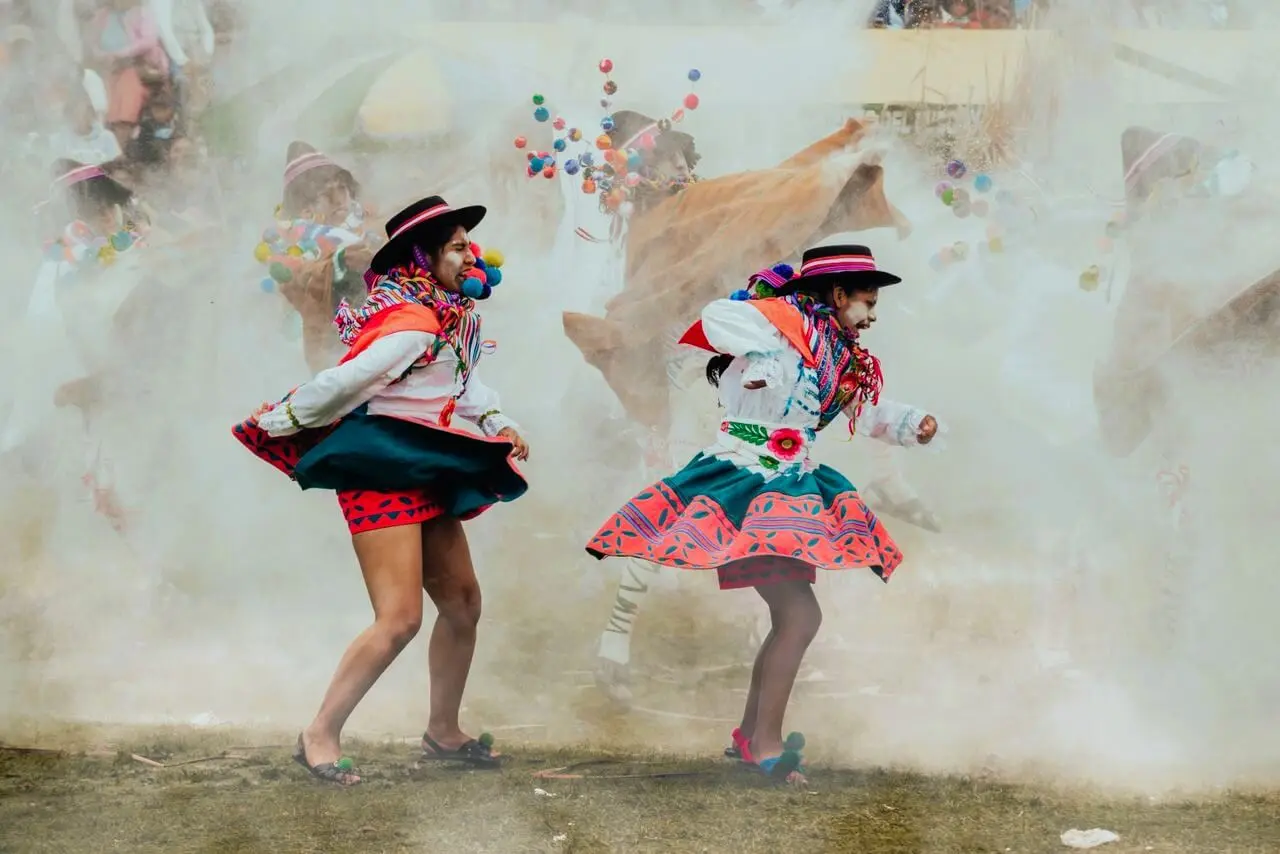
Bolivian slang has its own set of words. Many come from Quechua and Aymara, two Indigenous languages spoken in the Andes. Others are just local inventions. If you know a few of them, a lot of casual Bolivian conversation gets easier to follow.
Chela Popular not only in Bolivia, the word chela means beer. Vamos a tomar una chela means Let's have a beer. ¿Te animas a tomar una chela después del trabajo? (Do you feel like having a beer after work?)
Ñata or Ñato The word ñato can have various meanings. It is used for a person with a flat nose, but the most common usage is to refer to your girlfriend (ñata) or boyfriend (ñato). Ñatitas are also human skulls that are venerated in some parts of the Andes to honour the dead. Although this tradition can look scary at first, it is said to bring good fortune to people. Mi ñata me está esperando en la plaza. (My girlfriend is waiting for me in the square.) En noviembre la gente lleva flores a las ñatitas en el cementerio. (In November people bring flowers to the ñatitas at the cemetery.)
Pucha An expression of surprise or frustration, pucha is a milder equivalent of the more vulgar puta and is common across South America. ¡Pucha, se me olvidó el celular en la casa! (Damn, I forgot my phone at home!)
Camote Camote literally means sweet potato, but in everyday slang it means to be deeply in love with someone. Estoy camote de ella means I am in love with her. Estoy camote de ella desde el día que la conocí. (I've been head over heels for her since the day I met her.)
Chaparse Chaparse simply means to kiss someone, instead of besar or dar un beso. Se chaparon en la puerta de la casa. (They kissed at the front door.)
Elay puej This expression is used in certain parts of Bolivia and can be quite difficult to translate into English. It is used to show agreement, with a meaning similar to there it is or you bet. —¿Nos vemos a las ocho? —Elay puej. ("Shall we meet at eight? Exactly. / There you go.")
Cañar Cañar means to drink alcohol. Another word with the same meaning is chupar. Its literal meaning is to suck, but in slang it means to drink. Fuimos a chupar means We went drinking. Este fin de semana vamos a cañar con los amigos. (This weekend we're going drinking with our friends.) Anoche fuimos a chupar hasta tarde. (Last night we went drinking until late.)
Boliche If you are looking for a place to cañar, you can go to a boliche, or bar. Vamos al boliche a bailar un rato. (Let's go to the club to dance for a while.)
Caserita o Caserito A regular customer of a shop or restaurant, or the vendor at a small stand. Siempre compro las verduras donde mi caserita del mercado. (I always buy my vegetables from my regular vendor at the market.)
Cocacho A cocacho means a punch or a kick. Le dieron un cocacho durante el partido. (They gave him a punch during the match.)
Macana This is an expression used to react to bad news. It can be roughly translated as what a pity or what a shame in English. ¡Qué macana! means What a shame! ¡Qué macana que no puedas venir a la fiesta! (What a shame you can't come to the party!)
Paco Paco means policeman, and, as you can imagine, it can be an offensive word if not used correctly. Llegaron los pacos y cerraron la calle. (The police arrived and closed off the street.)
Cojudo This is an insult that can mean idiot or stupid. No seas cojudo, piensa antes de hablar. (Don't be an idiot, think before you speak.)
Pintuda Pintuda means both cool and good-looking. Tu hermana está bien pintuda con ese vestido. (Your sister looks really good in that dress.)
Chala Another word used to mean something cool or awesome.
¡Qué chala tu moto nueva! (Your new motorbike is so cool!)Bolivia is also a very varied country. You can stand in the mountains around La Paz, which lies at about 3,600 meters (almost 12,000 feet) above sea level, and then travel to the Amazon rainforest in the lowlands. For this reason, language and slang change a lot from one region to another. While some words are used in most of the country, those below are used in specific regions.
La Paz is one of Bolivia's capitals. (It is the seat of government, while Sucre is the constitutional capital.) The city sits in a deep valley surrounded by mountains, and people there have their own everyday words.
Kencha Kencha means an unlucky person. It's someone who always seems to have bad luck. Ese pobre es un kencha, siempre le toca lo peor. (That poor guy is so unlucky, he always gets the worst of it.)
Estar chaqui Estar chaqui means to have a hangover. You will also see it written with a k, as chaki. It comes from a native word for dry. Hoy estoy chaqui, no voy a poder ir a trabajar. (I'm hungover today, I won't be able to go to work.)
Jailón In the capital, jailón means a rich person, usually one who is a bit of a snob. Ese es un jailón, solo va a restaurantes carísimos. (He's a snobby rich guy, he only goes to super expensive restaurants.)
People from the eastern lowlands are called cambas, and the city of Santa Cruz de la Sierra is their biggest centre. Their slang is different from what you hear in the mountains and contains a lot of unique words.
Buri Buri means party and is used instead of the word fiesta.
El sábado hay buri en la casa de mi primo. (On Saturday there's a party at my cousin's house.)Estar yesca This expression simply means to be broke or to have no money. No puedo salir, estoy yesca hasta fin de mes. (I can't go out, I'm broke until the end of the month.)
Pinchuleado All dressed up for an event; bien arreglado. Llegó toda pinchuleada a la boda. (She arrived all dressed up at the wedding.)
Corteja or cortejo This word is used to refer to your boyfriend or girlfriend. It derives from the verb cortejar, meaning to court. Te presento a mi cortejo, se llama Daniel. (Let me introduce you to my boyfriend, his name is Daniel.)
Pelada In Bolivia, pelada doesn't mean without hair; it is an everyday word for chica (girl). Esa pelada es mi vecina. (That girl is my neighbor.)
Velatacú or pelatacú It is the local word for child. Los velatacús están jugando en el patio. (The kids are playing in the yard.)
Boche bochinche It is pronounced bochi and means a fight or a quarrel (pelea in Spanish). Se armó un boche en la fiesta y llegó la policía. (A fight broke out at the party and the police showed up.)
Ser yeta If you are yeta, it means you have bad luck. Nunca gano nada en la rifa, soy yeta. (I never win anything in the raffle, I have terrible luck.)
Chocho Chocho is the Camba equivalent of contento or feliz (both meaning happy). Estoy chocho con mi nuevo trabajo. (I'm thrilled with my new job.)
Cuchuqui Cuchuqui means something extremely dirty or filthy and is also used to mean pig. Tu cuarto está cuchuqui, ¡límpialo ya! (Your room is filthy, clean it right now!)
Estar yema or yemanga It means to be completely drunk. Anoche terminé yema y no me acuerdo de nada. (Last night I ended up completely drunk and I don't remember anything.)
Macanuda
It can have multiple meanings, but the most common is curvy. Esa chica es macanuda. (That girl is curvy.)
Cochabamba is another big city, with more than one million inhabitants. It sits in a valley not too far from La Paz. Here, too, people use their own slang terms.
Llokalla Llokalla or yocalla means a kid or a young boy. The word comes from Aymara, a native language of the Andes. Ese llokalla juega muy bien al fútbol. (That boy plays soccer really well.)
Chango Another word used in Cochabamba to mean child is chango. This is quite funny, since in many other countries across Latin America, this word means monkey. It is another word for boy.
El chango ya se fue a la escuela. (The kid already left for school.)Imilla Imilla means girl in Aymara and is also used in Spanish. It is the female equivalent of llokalla. La imilla ayuda a su mamá en la tienda todas las tardes. (The girl helps her mom in the shop every afternoon.)
Cochalas Cochala refers to someone or something from the city of Cochabamba. It is a more informal term than cochabambino, which is used throughout Bolivia (and is much more difficult to say, in my opinion). Mi amigo es cochala, de pura cepa. (My friend is from Cochabamba, through and through.)
Sicilian is more than just a dialect, it’s a living language that reflects the depth and complexity of Sicily’s rich history
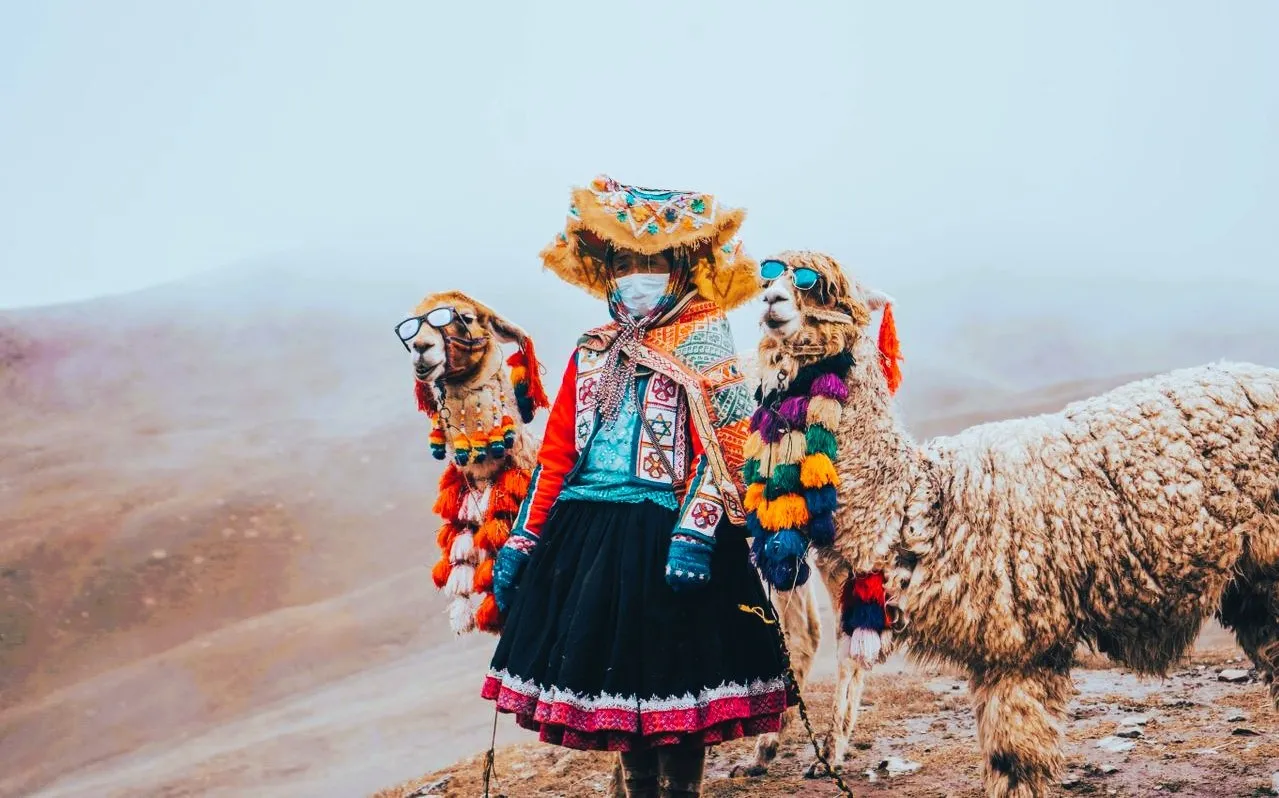
Discover Ecuadorian slang, exploring everyday phrases, regional differences, and the cultural influences behind Ecuador's Spanish.
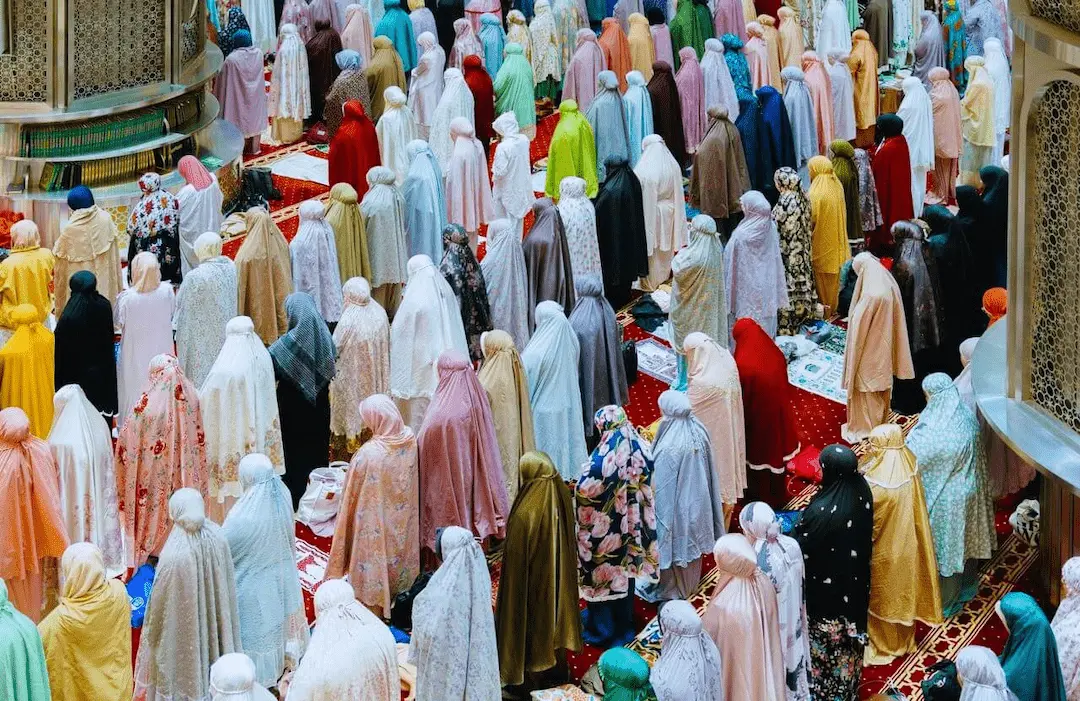
Discover Betawi, the local dialect of Jakarta, Indonesia. Learn its history, common words and phrases, regional varieties, and why it's slowly fading today.
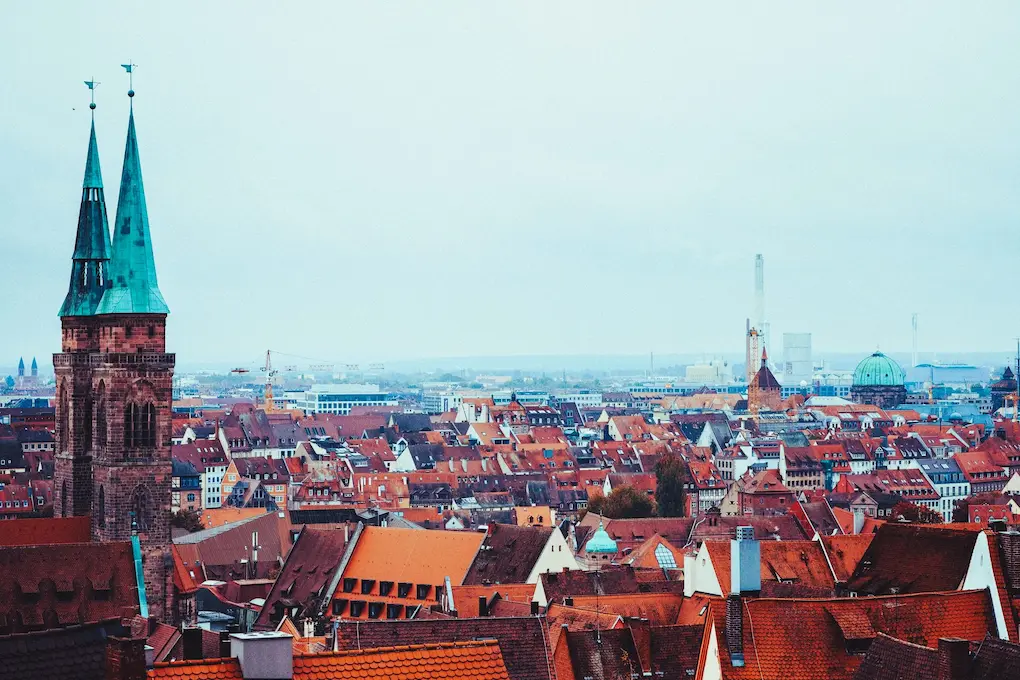
Discover the Franconian dialects spoken across northern Bavaria, including their pronunciation, grammar, and regional expressions.

Is Cantonese hard to learn? Discover why its writing system and tones can be dificult, and why its simple grammar makes it easier to learn.