Catalan Slang and Everyday Words to Sound Like a Local
Catalan slang includes informal expressions and everyday phrases used in Catalonia, influenced by local culture and history.
Portuguese slang from Portugal includes informal expressions, everyday phrases, and regional words used by native speakers.
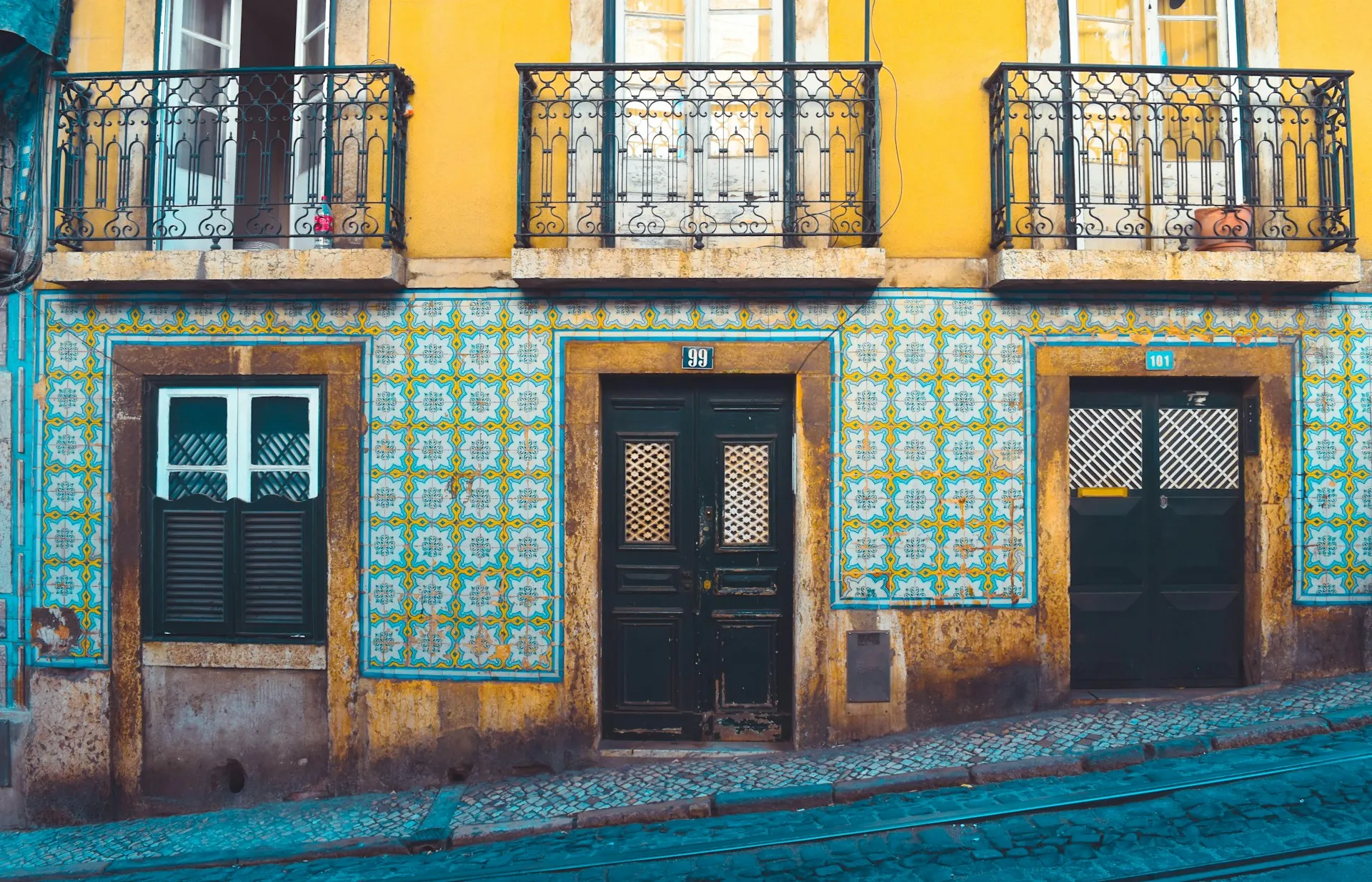
This guide is a simple breakdown of some of the most common slang words and expressions you’ll hear in Portugal (not Brazilian Portuguese). From how people say bro and let’s go to the way they talk about money, you will learn how the language is actually spoken.
Mano Mano literally comes from irmão ("brother), but in slang it is used like bro or mate. It is one of the most common ways young people address friends. Mano, tens de ver isto! Bro, you've got to see this!
Fixe or giro Both fixe and giro are very common Portuguese slang words meaning cool or nice. You can use them to describe something you like. The word giro can also mean beautiful or pretty.
Gajo Gajo literally means guy or bloke and is one of the most common informal words for a man. There is also a feminine equivalent, gaja, meaning woman or girl. Quem é aquele gajo? Who is that guy?
Malta Malta means group of people. It is similar to guys or everyone in English. You can use it to grab attention. Malta, vamos embora! Guys, let's go!
Pá Pá is another informal way to say dude or mate, used in a similar way to mano (see above). Pá, isso foi incrível! Dude, that was incredible!
Guito Instead of dinheiro (money), in everyday speech people often use the word guito. Não tenho guito suficiente. I don't have enough money.
Caraças Caraças is an exclamation used to express surprise, frustration, or even annoyance. It is similar to damn! or wow! in English. Caraças, que susto! Damn, what a scare!
Bora (let’s go) Bora is a shortened form of embora and means let's go or come on. You can use it to encourage people to start doing something. Bora lá! Let’s do it!
Pau Literally, pau means stick, but in everyday speech it can also mean euros (and also penis, so be cautious when you use this word). Paguei cinquenta paus pelo bilhete. I paid fifty euros for the ticket.
Um bocado / bocadinho Both um bocado and bocadinho mean a bit or a little (literally a mouthful). Strangely, in Brazil this can sometimes mean a lot or very, which is the opposite.
Parvo Parvo is a mild insult meaning stupid or dumb. Não sejas parvo. = Don’t be stupid.
Bife (English person) Literally, bife means steak, but in Portuguese slang it is also used to refer to an English or British person.
Tuga Tuga is an informal term for Portugal itself or for a Portuguese person. It was originally a derogatory word but nowadays is mostly used with an ironic or affectionate tone.
Bicho (animal) Literally, bicho means animal or bug. Vi um bicho estranho no jardim. I saw a strange bug in the garden.
Nega (refusal / fail) The word nega has two meanings: it can mean refusal, and also failure (for example, not passing a test or exam). Dar uma nega to refuse Tive nega no exame. I failed the exam.
Bacano Bacano means cool guy, nice person, or simply awesome. It is especially common around Lisbon. Ele é mesmo bacano. He's a really cool guy.
Boneco Literally, boneco means doll or figure, but in slang it can refer to someone who is not very intelligent. Não sejas boneco. Don't be an idiot.
Turma Similar to malta, turma also means a group of people or a gang. A nossa turma vai jantar junta. Our group is having dinner together.
Burro Literally, burro means donkey, but it is commonly used to mean stupid or dumb. Fui mesmo burro por me esquecer disso. I was really stupid to forget that.
Chato Chato means boring or annoying, depending on the context. Este filme é muito chato. This movie is really boring.
Miúdo Miúdo means child or kid, the slang equivalent of menino.
If you want to learn more about Portuguese slang, here's a useful article about the slang and expressions commonly used by young people in Portugal.
Português Portugal – Slang Used by Young People in Portugal
Catalan slang includes informal expressions and everyday phrases used in Catalonia, influenced by local culture and history.
Sardinian is a distinct Romance language spoken on the island of Sardinia with ancient linguistic roots.
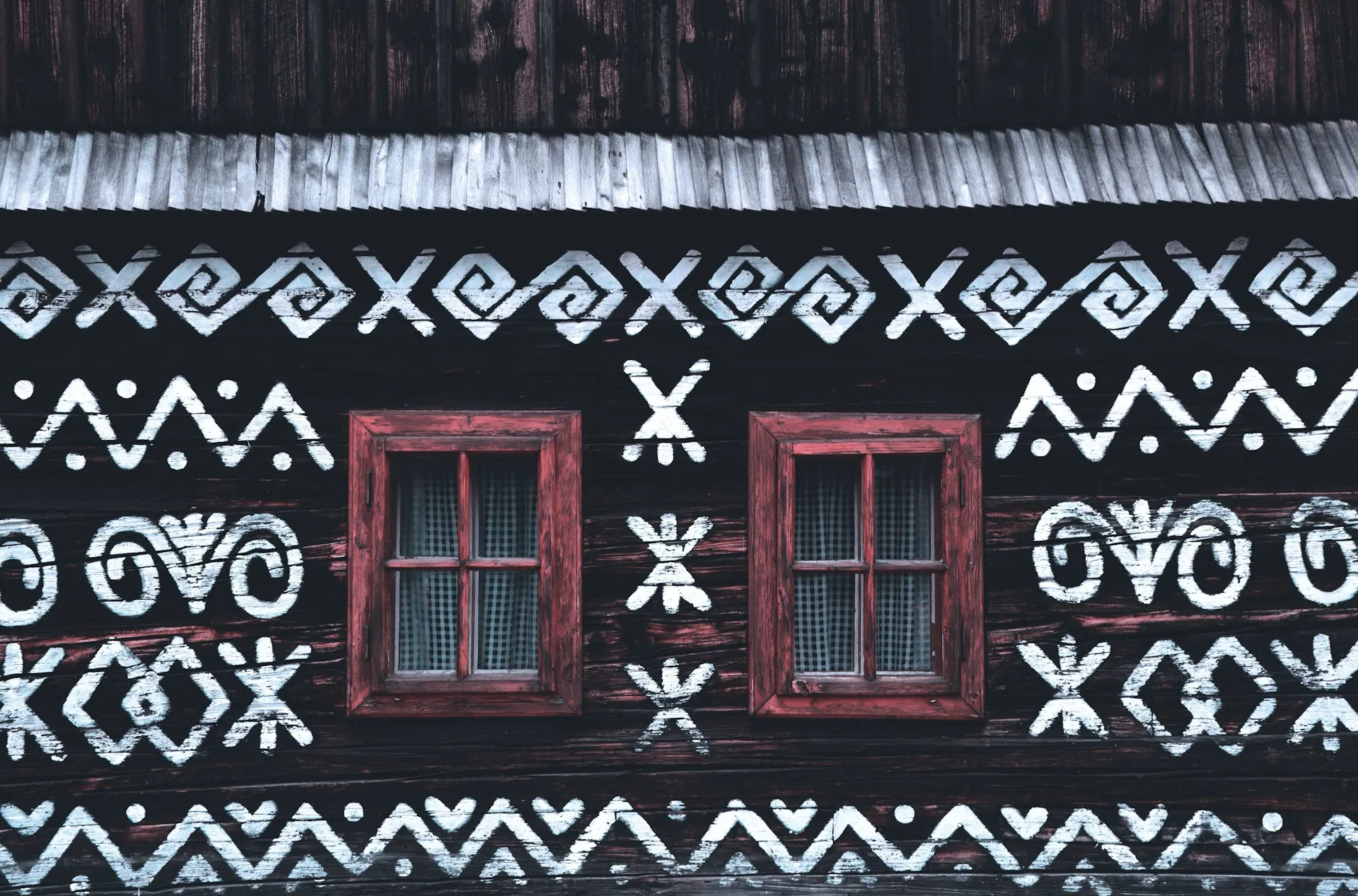
What makes Slovak a challenging language, from its grammatical cases to pronunciation and verb structure.
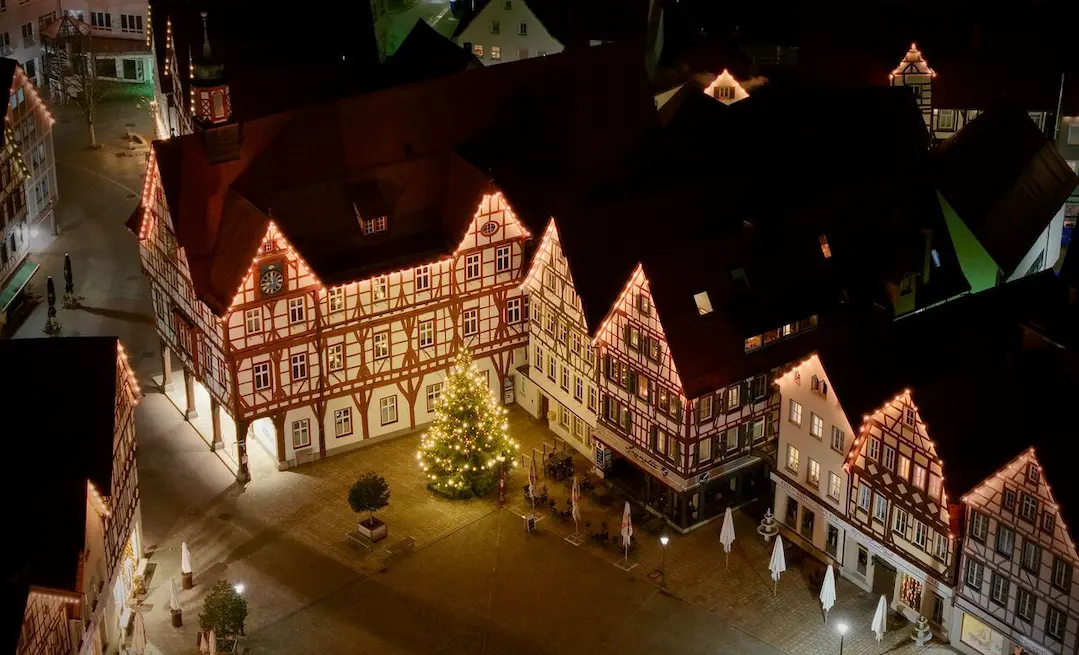
An overview of the Swabian (Schwäbisch) language, including its pronunciation patterns and regional usage in southwestern Germany.
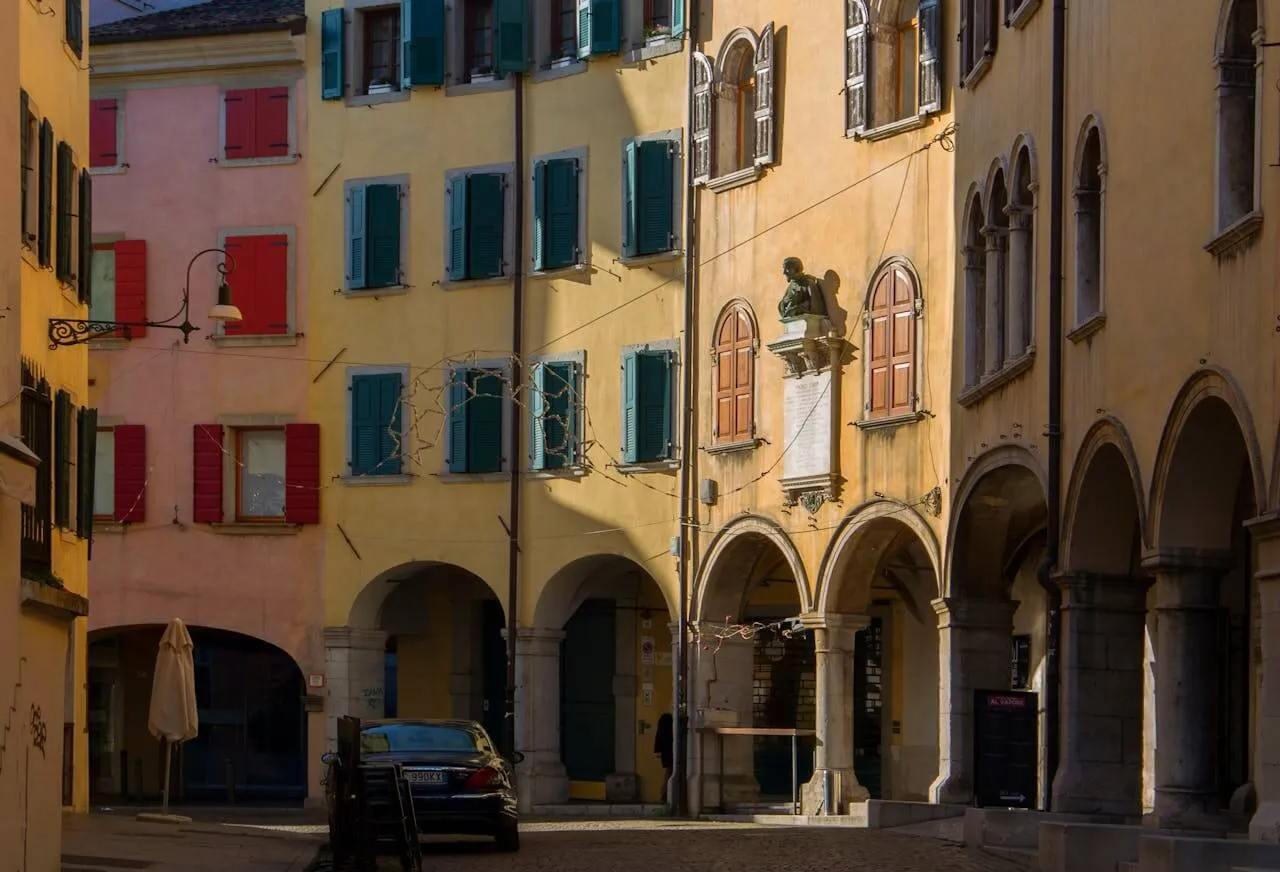
Italy is renowned for its rich mosaic of regional languages and dialects, but few are as interesting as Friulian, or Furlan