Learn the Most Common Slang Words from Portugal
Portuguese slang from Portugal includes informal expressions, everyday phrases, and regional words used by native speakers.
Mozambique Portuguese is a regional variety influenced by local languages, including Bantu languages, and unique cultural expressions.
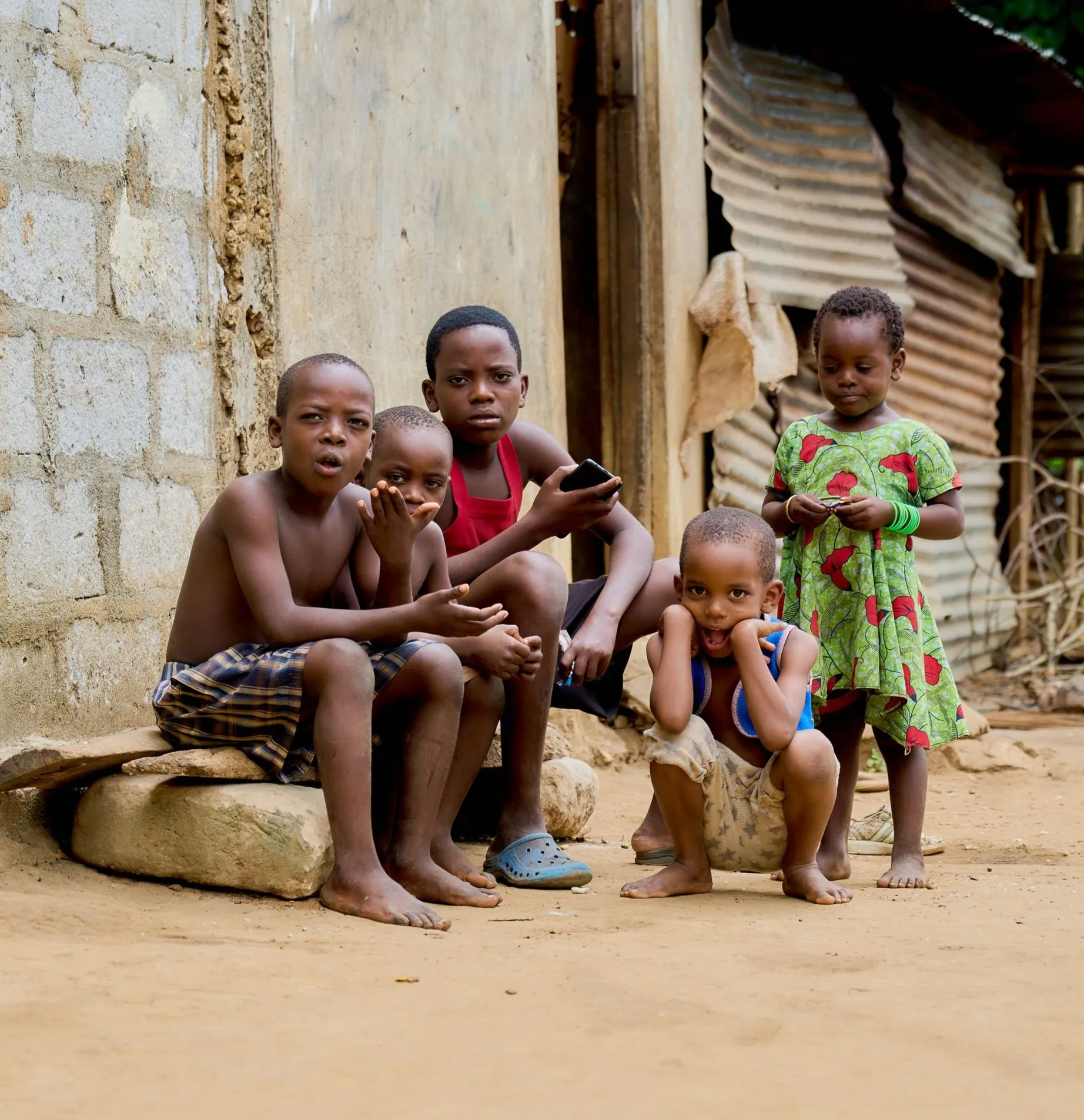
Mozambique is one of the world's main Portuguese-speaking countries, after Portugal and Brazil, but it is much less well known than many other countries.
Mozambique is located on the southeastern coast of Africa, between South Africa and Tanzania. It was a Portuguese colony for several centuries, much like Angola. As a result, Portuguese remains the country's official language and still plays an important role today, also serving as a tool for shaping national identity.
Around half of Mozambicans speak Portuguese, but only about 16% speak it as their native language. Moreover, the language is much more common in cities, where the vast majority of the population uses it, compared with roughly 30% in rural areas. In the countryside, people still use their indigenous languages. There are dozens of them, but the most widely spoken are Makhuwa in the north and Tsonga in the south.
Mozambican Portuguese is generally closer to European Portuguese than to Brazilian Portuguese. For example, the pronunciation of te and de resembles the pronunciation heard in Portugal (with a t sound and a d sound) rather than that used in Brazil, where they are pronounced as tchi and dji.
The use of pronouns is also similar to European Portuguese, with both tu and você being commonly used. Tu is often used among friends, family members, and people of the same age, while você is generally considered more formal.
Like every Portuguese-speaking country, Mozambique has developed its own vocabulary, often influenced by local languages and history. Here are a few examples:
mata-bicho or pequeno-almoço – breakfast. The word mata-bicho literally means "kill the bug" or "kill the beast." The expression originally referred to having a small drink or bite early in the morning to kill the hunger supposedly gnawing at your stomach.
machimbombo – machimbombo refers to a large bus generally used for long-distance travel but also used inside big cities.
chapa – a shared minibus or shared taxi, one of the most common forms of public transportation in Mozambique.
chopela – a chopela is another common means of transportation and is a three-wheeled vehicle similar to a tuk-tuk.
sorvete – sorvete is the word used for ice cream, just like in Brazilian Portuguese. This differs from Portugal, where the word gelado is normally used.
Mozambican Portuguese also has some distinctive slang expressions:
maningue – is a very popular slang word in Mozambique and is used to express a large quantity or intensity. It can mean a lot, very much, or really.
eu gramo – I like it.
fixe – Fixe means cool, nice, or great. It is also common in Portugal, especially among younger speakers.
estar de babalaza – to have a hangover.
pita – an attractive or good-looking person.
Portuguese slang from Portugal includes informal expressions, everyday phrases, and regional words used by native speakers.
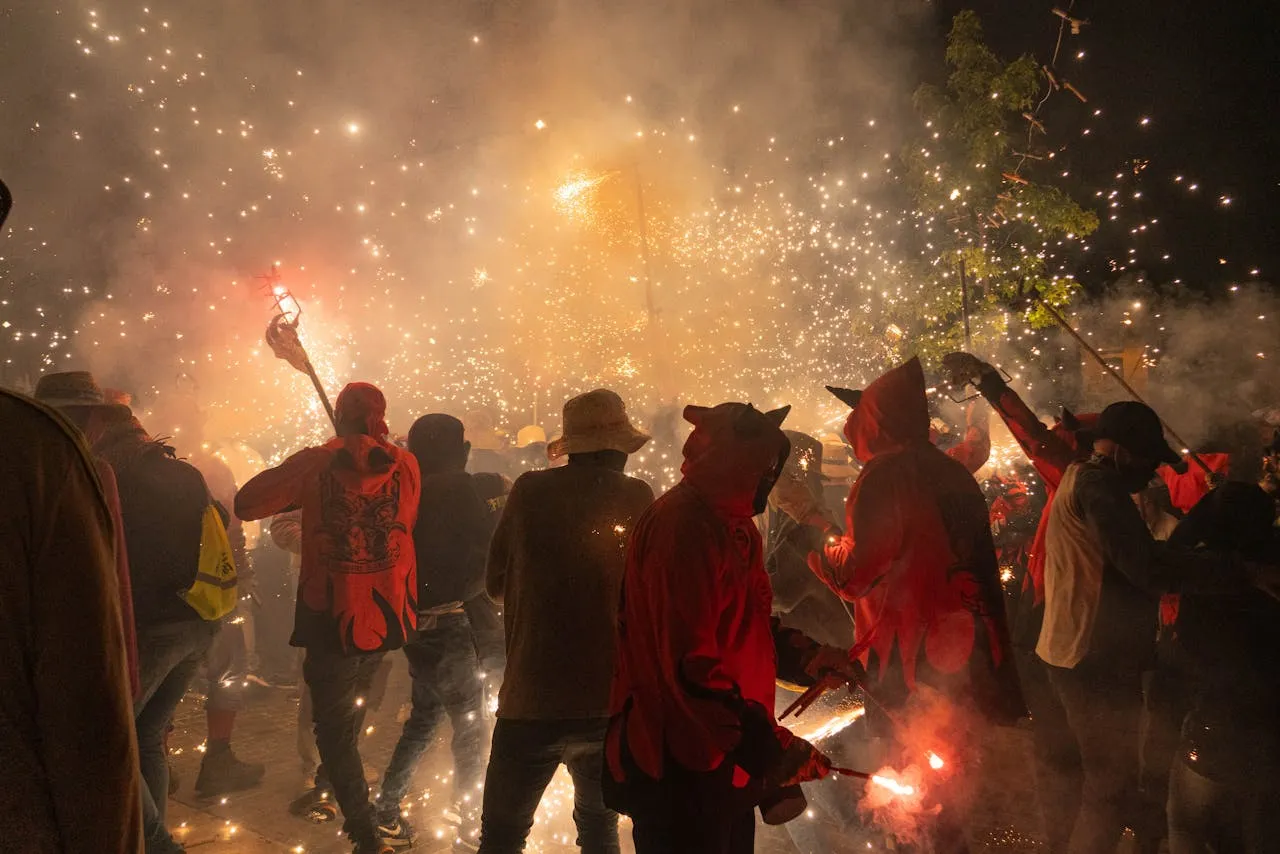
Catalan slang includes informal expressions and everyday phrases used in Catalonia, influenced by local culture and history.
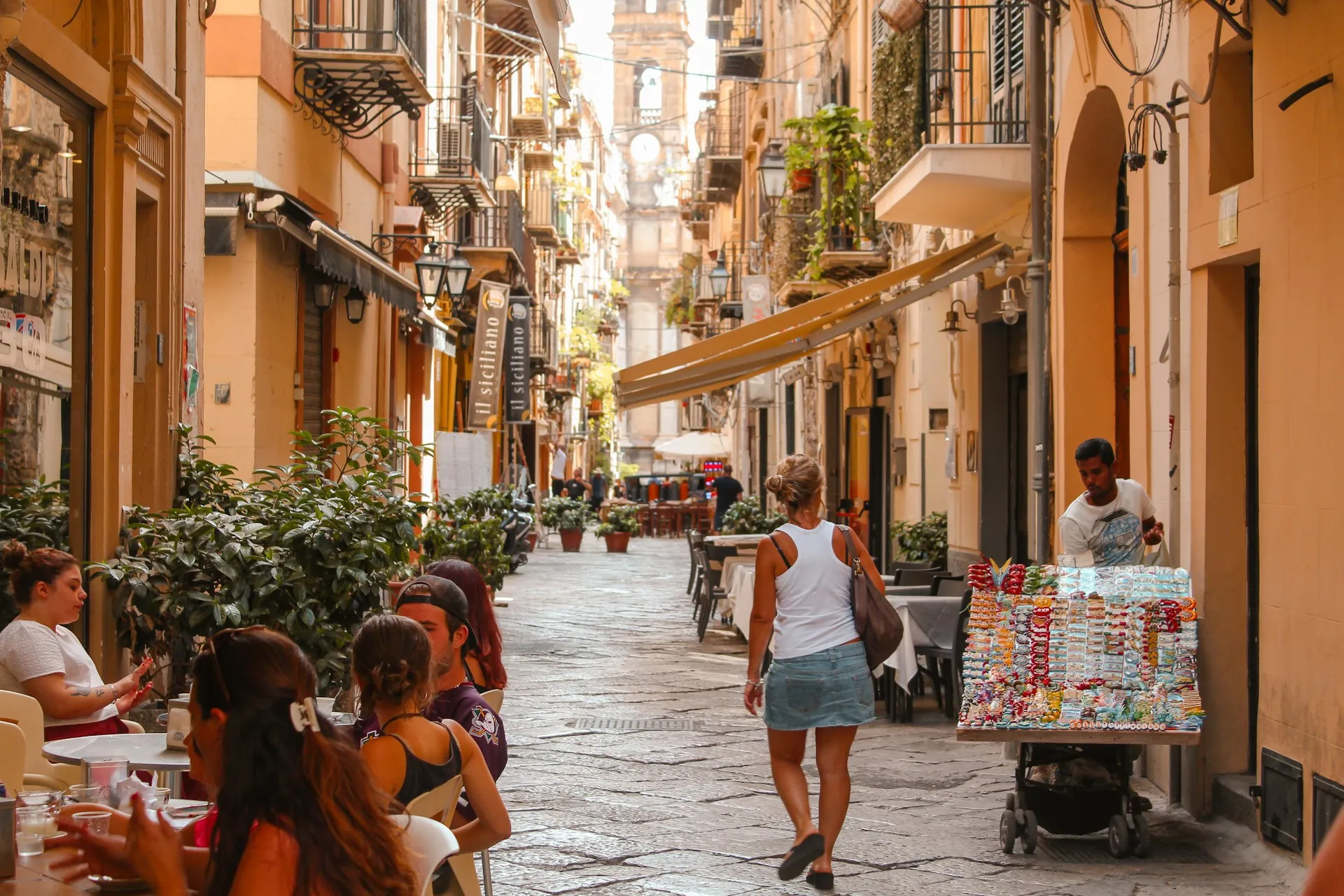
Sardinian is a distinct Romance language spoken on the island of Sardinia with ancient linguistic roots.
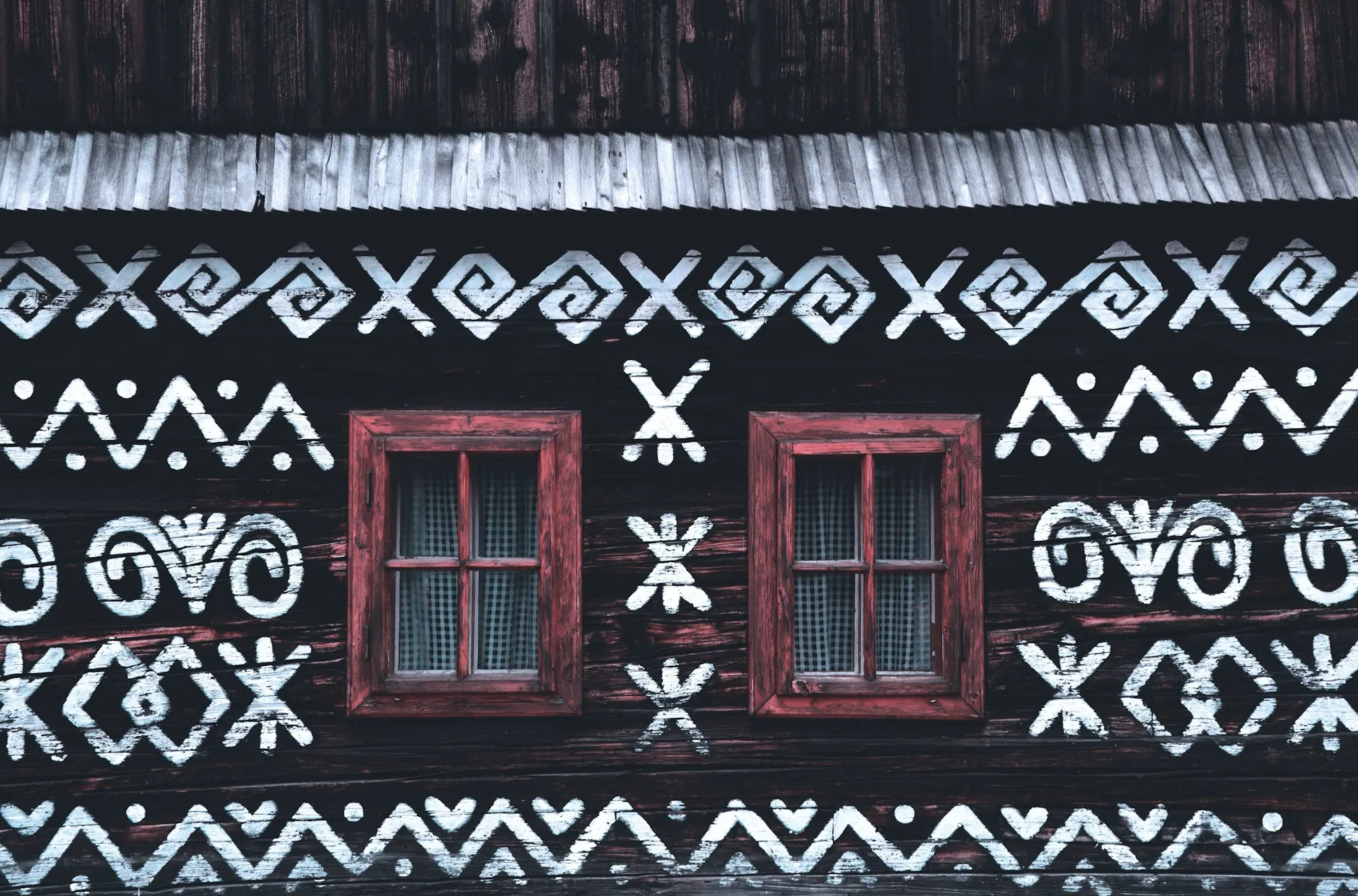
What makes Slovak a challenging language, from its grammatical cases to pronunciation and verb structure.
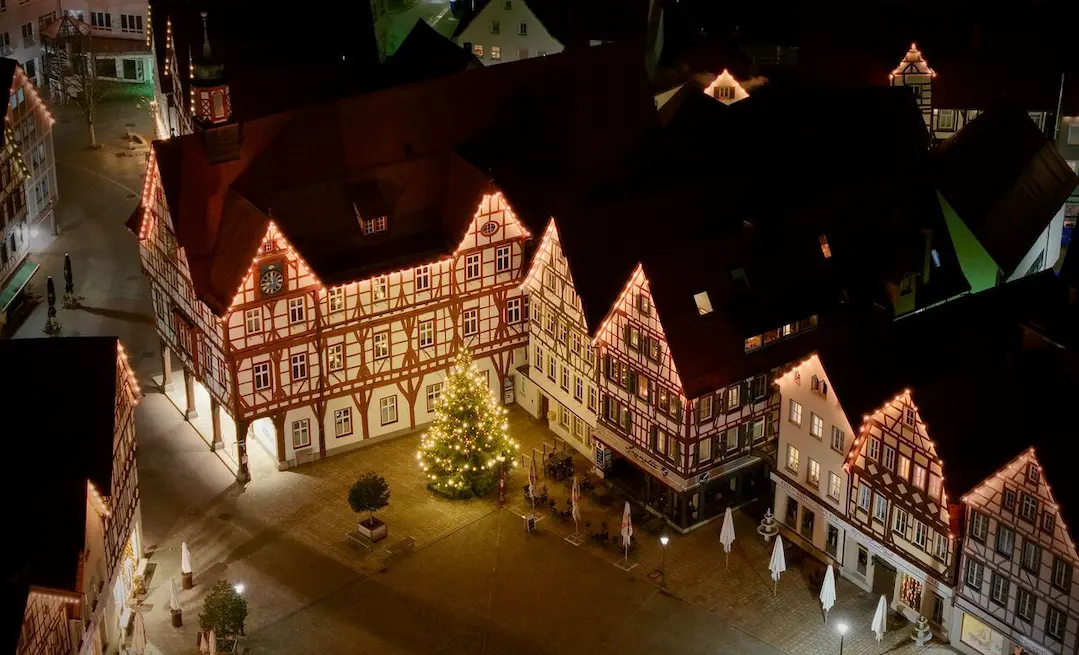
An overview of the Swabian (Schwäbisch) language, including its pronunciation patterns and regional usage in southwestern Germany.