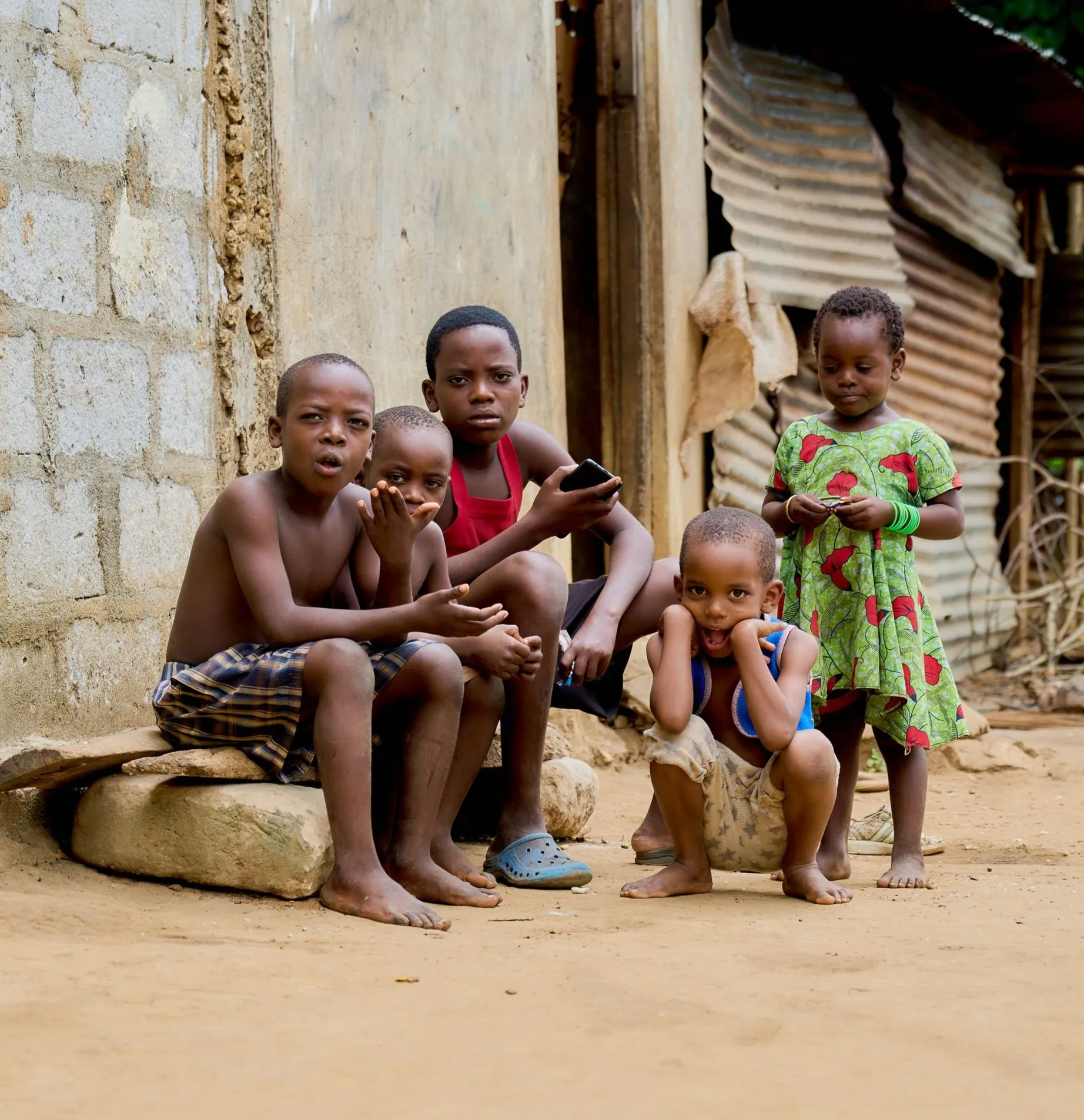
Explore Portuguese in Mozambique
Mozambique Portuguese is a regional variety influenced by local languages, including Bantu languages, and unique cultural expressions.
Lubunca is a secret slang developed by the LGBTQ+ community in Turkey, especially in Istanbul, with a unique vocabulary and cultural history.
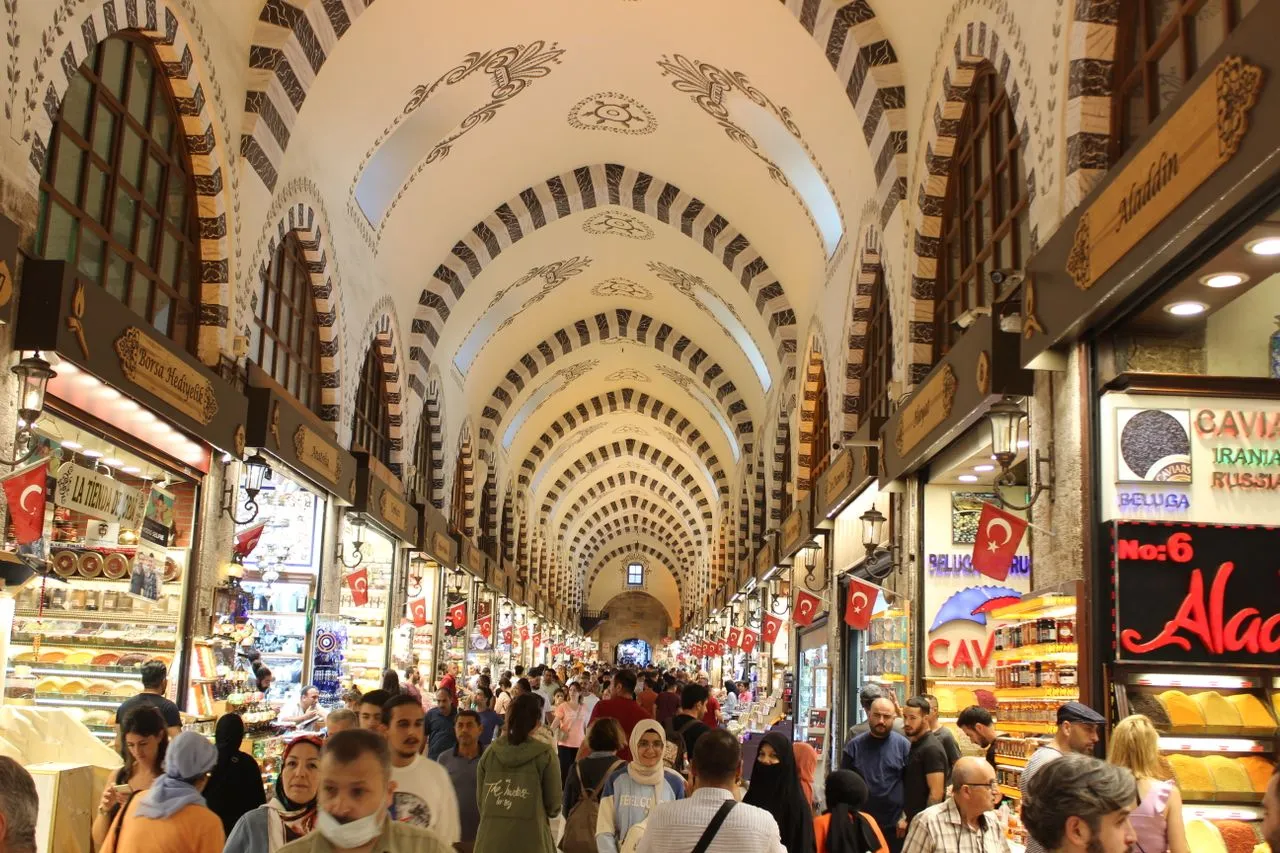
Hidden among the busy streets of Istanbul is a special way of speaking that many people have never heard of. It is called Lubunca, and it is a secret slang that has been used for decades by members of the city's LGBTQ+ community.
It was created mainly by trans women who worked as sex workers. At a time when they faced strong discrimination and danger, they needed a way to talk openly without attracting unwanted attention. Using Lubunca helped them warn each other about risks, speak about money or clients, and build a sense of community and safety.
Today, Lubunca is used more widely by LGBTQ+ people in Istanbul. It has been especially associated with places such as Ülker Street, which has long been known as an important meeting place for Istanbul's LGBTQ+ community.
Even though many people call Lubunca a language, it is actually more accurate to describe it as slang or a dialect. It does not have its own grammar like Turkish or English. Instead, it is a collection of around 400 words and expressions that are mixed into everyday Turkish to help people communicate in a way that outsiders may not understand.
One of the most interesting things about Lubunca is where its words come from. Many of them have roots in Romani, while others come from different Turkish dialects as well as languages such as Armenian and Greek. In fact, the word Lubunca itself is believed to come from the Romani word lubni, meaning “prostitute.”
Here are a few examples of Lubunca words:
| Word | Definition |
|---|---|
| Lubunya | A gay or queer person |
| Manti | A top (literally, a kind of dumpling) |
| Laço | An adult top |
| Balamoz | An older man |
| Madilik | Something bad, harmful, or trouble |
| Taliga | A car |
| Paro | Money |
| Kür | A lie |
| Nakka | No or “there isn’t” |
| Tato | A Turkish bath (hammam) |
| Nash | To run away |
| Koli | A date or partner |
| Abuş | A kiss |
| Çorlamak | To steal |
| Cıvır | A girl |
Like every living way of speaking, Lubunca is constantly changing. New words appear, old ones disappear, and meanings shift as younger generations adapt it to their own lives. While some expressions have become more widely known through social media and popular culture, many others are still understood only within the community.
Mozambique Portuguese is a regional variety influenced by local languages, including Bantu languages, and unique cultural expressions.
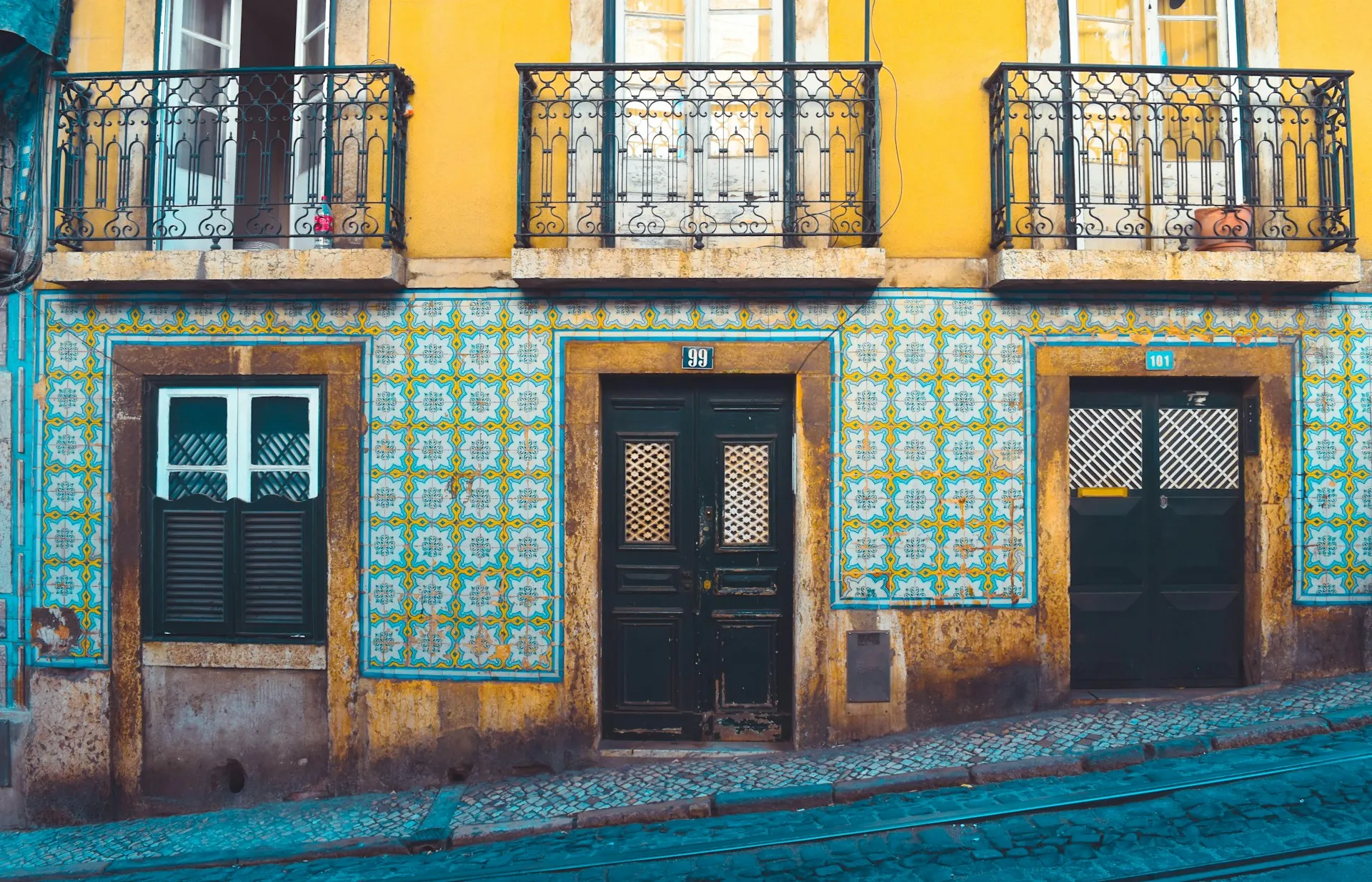
Portuguese slang from Portugal includes informal expressions, everyday phrases, and regional words used by native speakers.
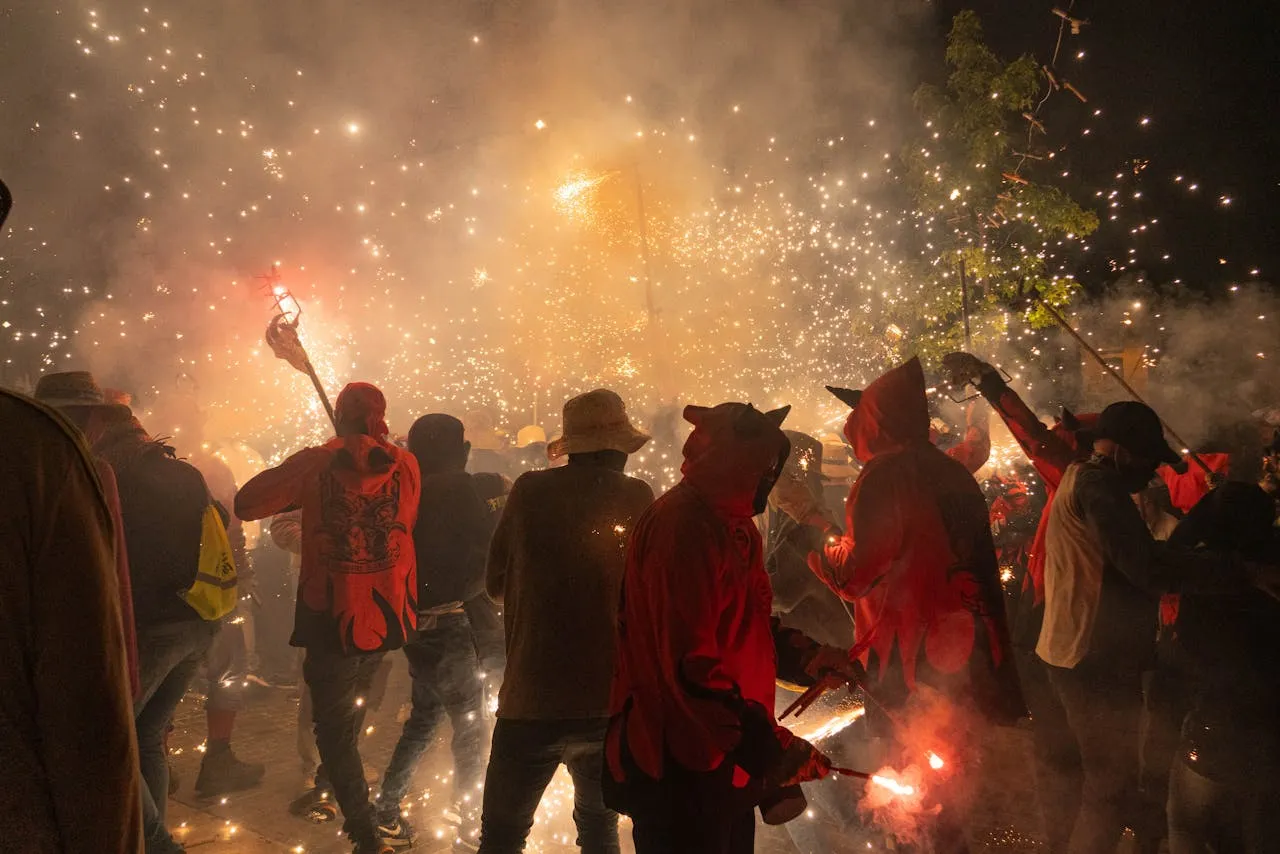
Catalan slang includes informal expressions and everyday phrases used in Catalonia, influenced by local culture and history.
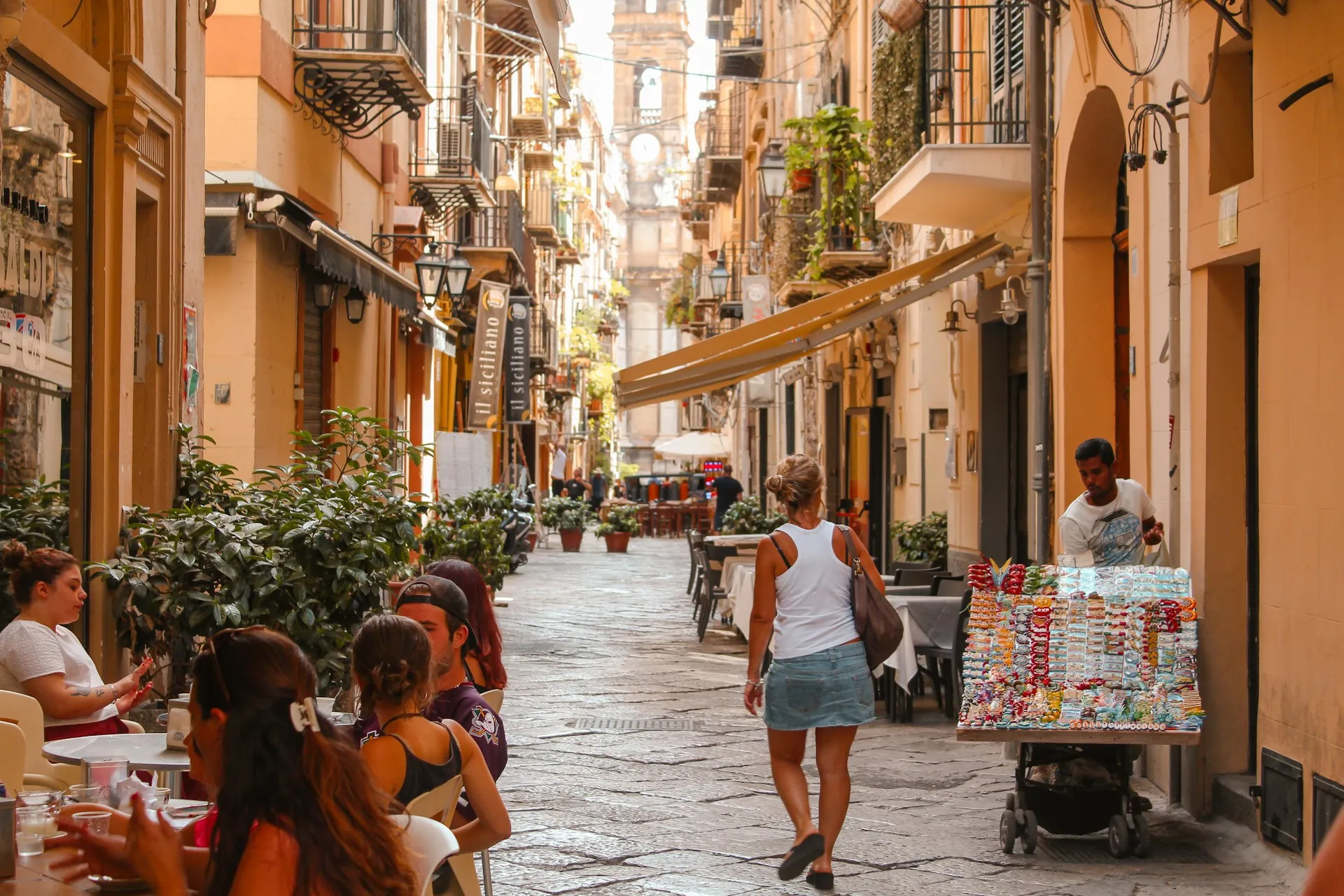
Sardinian is a distinct Romance language spoken on the island of Sardinia with ancient linguistic roots.
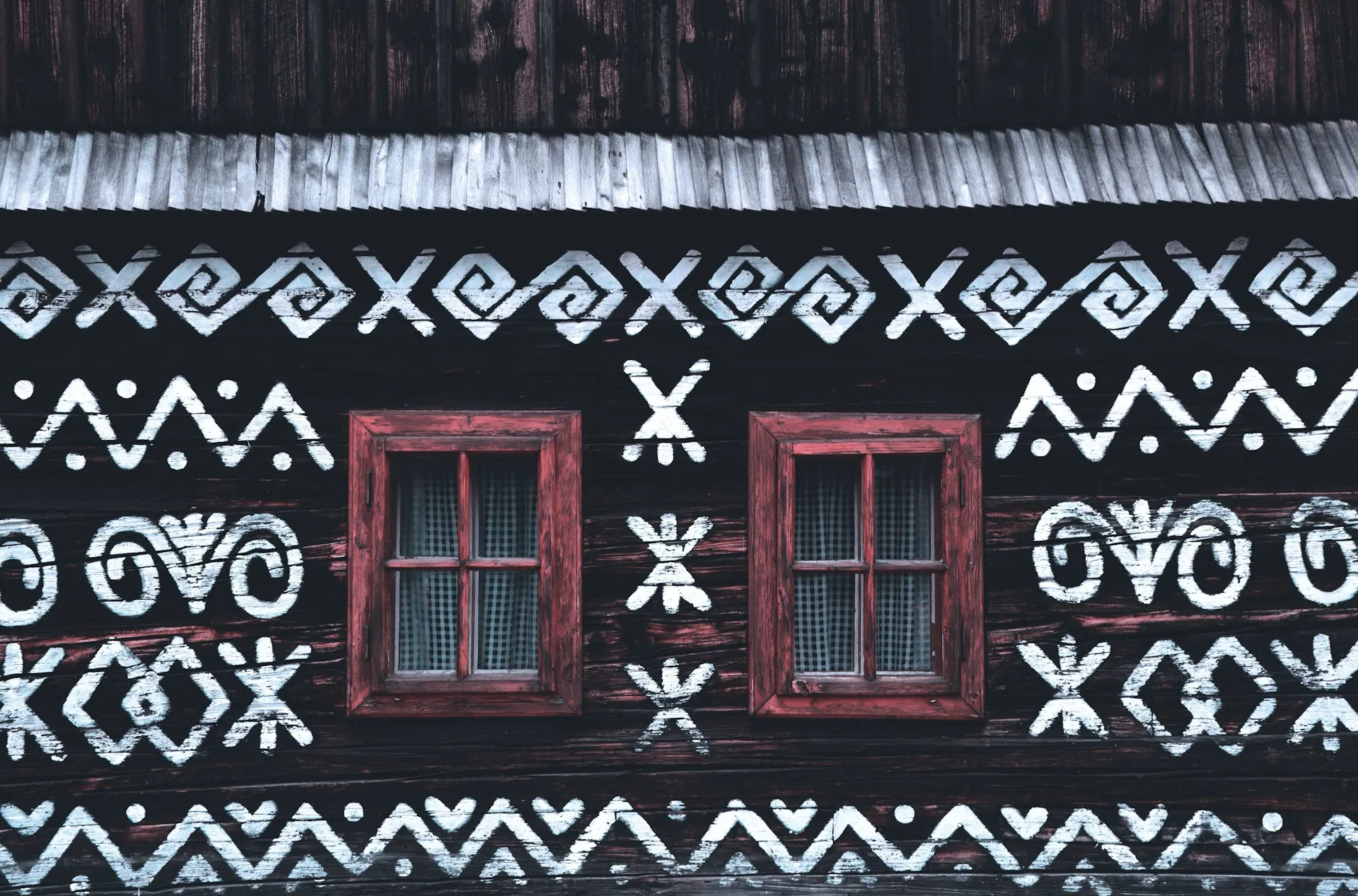
What makes Slovak a challenging language, from its grammatical cases to pronunciation and verb structure.