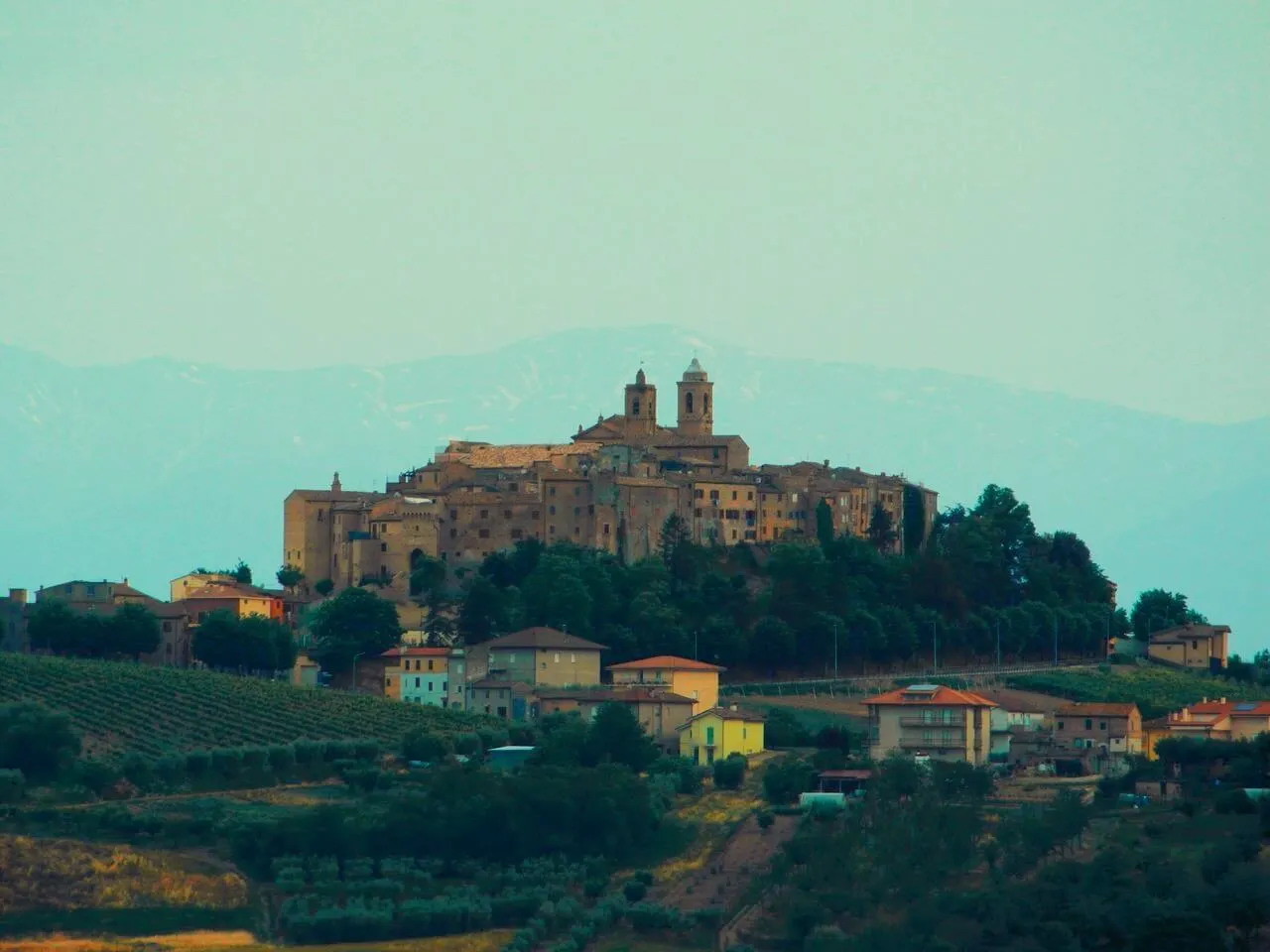
A Quick Guide to the Abruzzese Dialect
Discover the characteristics of the Abruzzese dialect, including its pronunciation and the unique words that make it special.
Tagalog has a unique verb focus system, but its pronunciation and alphabet are relatively accessible.

Tagalog is one of those languages that is incredibly easy and incredibly hard at the same time. One moment, you feel like you are progressing super fast, and the next moment, you feel completely lost. Let's talk about this in more detail.
Tagalog verbs are strange—that is the least you can say about them. They are divided into different groups, and each group forms the past, present, and future in a different way. The difficult part is that they change a lot in each tense.
One of the most common verb groups is the mag- group. Here's how a verb from this group changes. Take the verb maglaba, which means "to wash clothes."
| Tense | Form | Example |
|---|---|---|
| Future | mag + first syllable repeated + stem | maglalaba |
| Present | nag + first syllable repeated + stem | naglalaba |
| Past | nag + stem | naglaba |
| Recent or ongoing action | kapag + first syllable repeated + stem | kapaglalaba |
As you can see, the beginning of the word changes, and sometimes the first syllable is repeated. Every verb group has its own pattern, so learning them takes practice.
The good news is that once you become familiar with these patterns, they start to feel much more natural.
Another thing that can cause problems for foreign learners is the use of ang and ng. Many languages use word order to show who is doing an action and who is receiving it. Tagalog often relies on these small particles instead.
In simple terms, ang usually shows the main person or thing being talked about, while ng often introduces the person or thing affected by the action. It is also used to show that something belongs to someone.
Although some parts of the grammar are unusual, Tagalog has many features that make it much easier than people expect.
Unlike languages such as Japanese, Korean, or Thai, you do not have to learn a completely new writing system. While the Philippines once had traditional scripts such as Baybayin, modern Tagalog is written using the Latin alphabet, the same alphabet used in English and many European languages. This means you can start reading signs, menus, books, and websites almost immediately.
Tagalog pronunciation is generally very easy. Most letters have consistent sounds, there are very few difficult consonants, and words are usually pronounced exactly as they are written. Therefore, many learners find that they can pronounce new words correctly after seeing them only once.
One advantage of learning Tagalog is that you will already recognize many words. Because the Philippines was a Spanish colony for more than 300 years and later had strong American influence, Tagalog borrowed thousands of words from both Spanish and English. For example, you may come across words such as:
mesa (table) from Spanish
sapatos (shoes) from Spanish
oras (time) from Spanish
doktor (doctor)
telepono (telephone)
Not every part of Tagalog grammar is difficult. For example, forming the plural is usually very easy, and many sentence structures are simpler than those found in European languages. Moreover, there are no grammatical genders like in French or Spanish, and many basic sentences can be built with relatively simple patterns.
Discover the characteristics of the Abruzzese dialect, including its pronunciation and the unique words that make it special.

Swedish slang includes modern expressions, casual phrases, and urban vocabulary commonly used by native speakers throughout Sweden.
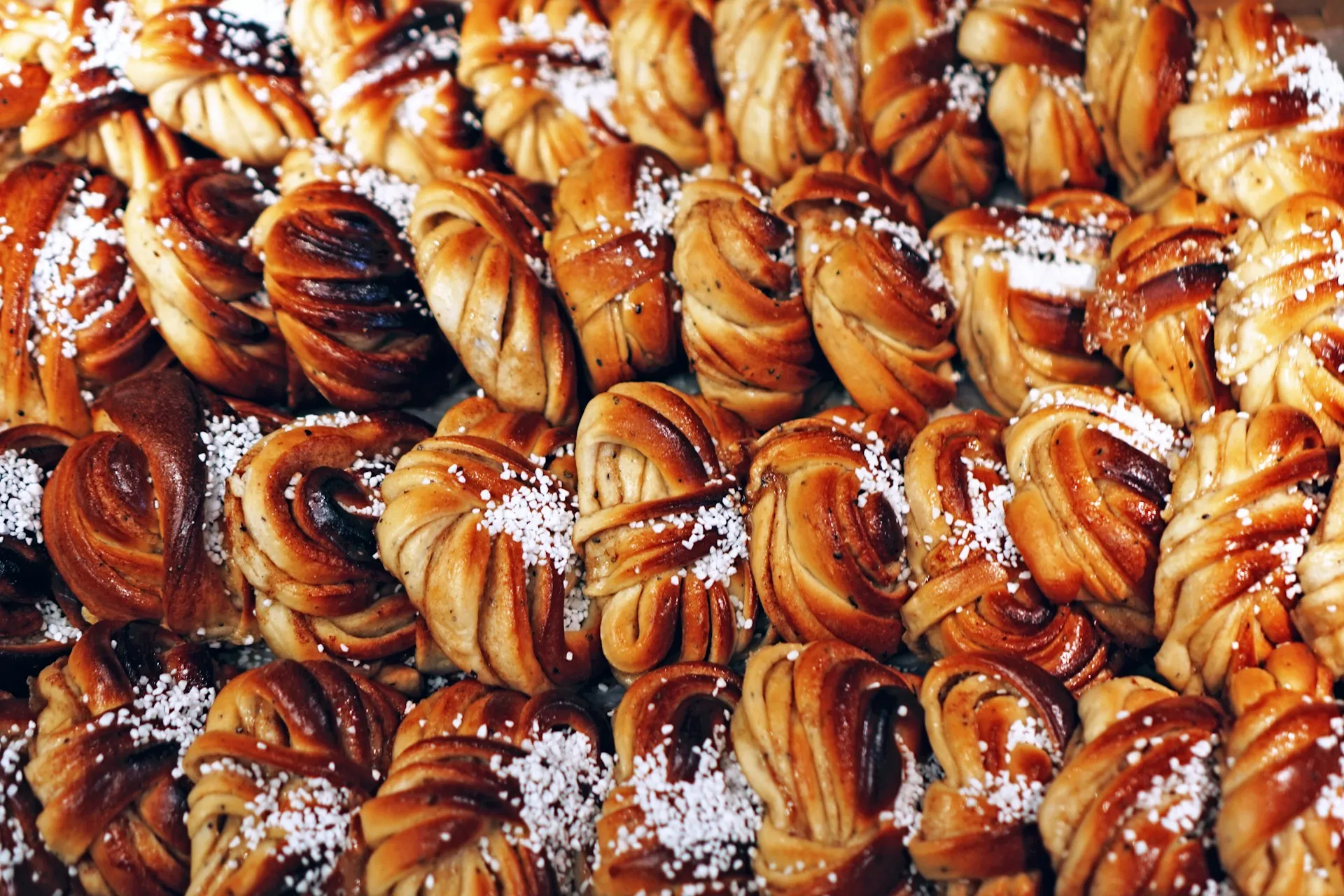
Swedish dialects vary across regions, with differences in pronunciation, grammar, vocabulary, and cultural identity.

Ligurian is a regional language spoken in Liguria and parts of southern France, known for its unique history and maritime heritage.
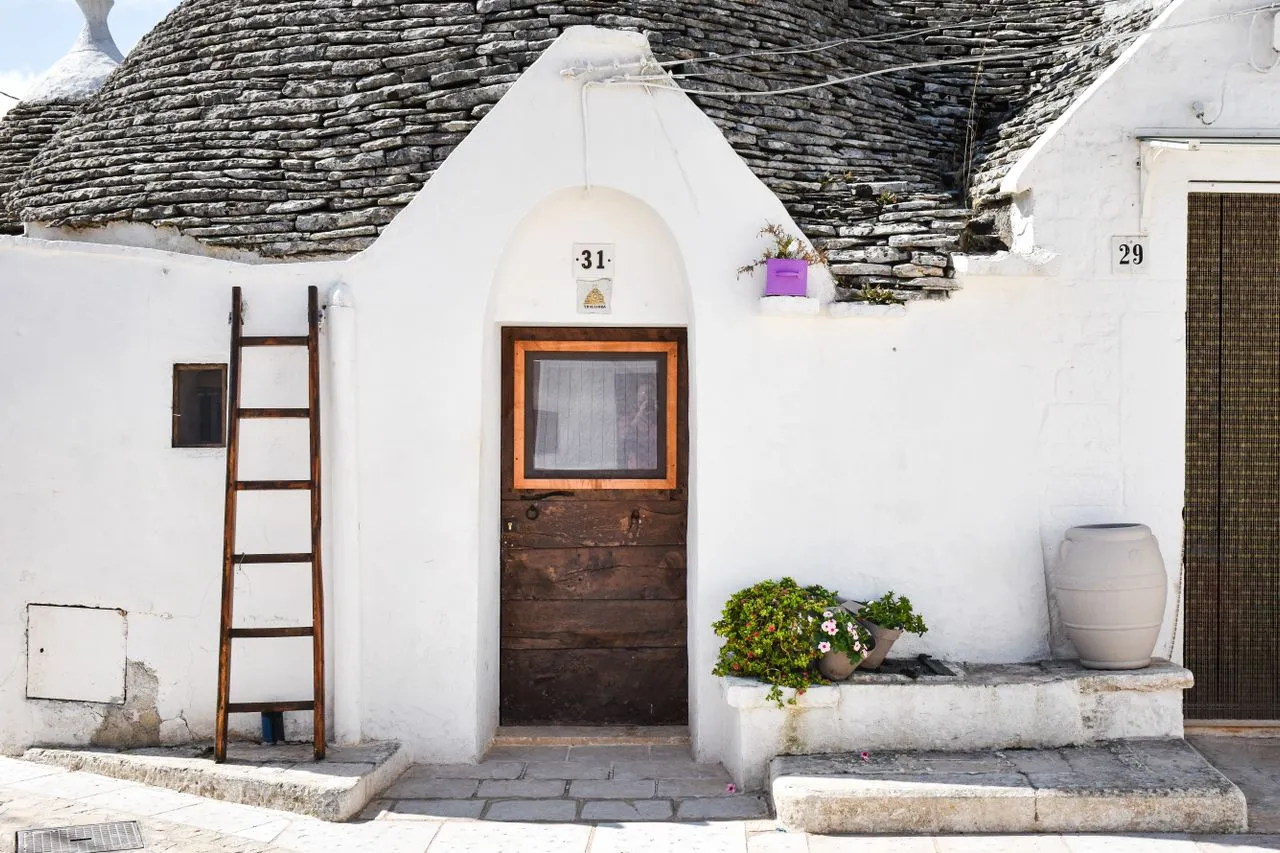
Discover the Apulian dialects of southern Italy, including their vocabulary, pronunciation, regional differences, and cultural heritage.