All You Need to Know About Calabrian Dialects
Learn about Calabrian dialects, their Greek and Romance influences, distinctive pronunciation, and traditional expressions.
Discover the Apulian dialects of southern Italy, including their vocabulary, pronunciation, regional differences, and cultural heritage.
Apulia is often divided into two main dialect areas: the dialects of northern and central Apulia, and the dialects of Salento, the southern part of the region. These two groups are so different that sometimes people from different areas of Apulia can have difficulty understanding each other.
The dialects spoken in the centre and north of Apulia have been strongly influenced by the nearby Campania region, especially by the Neapolitan language. This influence came from centuries of political, cultural, and commercial connections between these areas.
Among the main dialects of this area are:
Foggiano, spoken around Foggia and the northern part of the region.
Barese, spoken around Bari and one of the most famous Apulian dialects.
Tarantino, spoken around Taranto. This dialect is considered a sort of bridge between the northern Apulian dialects and those of Salento because it has features from both areas.
The southern area of Apulia, known as Salento, has its own group of dialects. These are often called Salentine dialects and have developed in a different way from the rest of Apulia.
Salento also has many local varieties. For example, the dialect spoken around Brindisi, known as Brindisino, has its own characteristics. Other towns and villages may have small differences in words, sounds, and expressions.
For many centuries, Salento remained under Byzantine rule much longer than the rest of Puglia. During this period, it shared much of its history with Calabria and Sicily, where Greek influence remained strong for a long time.
Northern Puglia, on the other hand, was more closely connected to the Kingdom of Naples. Because of this, its dialect developed alongside Campanian and Neapolitan varieties.
This is also one reason why people once spoke of le Puglie (the Puglias) rather than simply Puglia. Historically, the region was seen as a collection of different lands with distinct cultures and languages rather than a single, uniform region.
In this post, we'll focus on the Northern Apulian dialects.
One of the first things you'll notice right away when you encounter a person from Apulia is that the final vowel is often reduced to a very weak sound called a schwa (ə) or almost disappears completely. This gives the dialect its distinctive rhythm.
The first vowel in a word is often stretched, and the letter o frequently becomes a sound closer to au."
Here are a few common words you might hear.
Meh – Probably one of the most versatile words in the dialect. Depending on the situation, it can express surprise, impatience, disgust, encouragement, or simply mean so-so."
Uè! – A friendly way to say Hey! and get someone's attention.
Uagliò – A very common word meaning boy, mate, friend, or simply hey, you! It's used constantly in everyday conversation.
Trèmone (often pronounced more like Tremon) – An affectionate insult meaning idiot, fool, or someone who has done something silly.
Kitemmùrt! – Literally meaning who died on you?", this is a strong expression used in southern Italy. It can be an insult or an exclamation depending on the tone and context, so it's best understood before trying to use it.
Présce – The excitement or eagerness to do something immediately. If someone says they have presce, they can't wait to get started.
Mo' – Means now, but in southern Italy it can also mean right away, in a moment, or simply refer to the present time, depending on the context.
Learn about Calabrian dialects, their Greek and Romance influences, distinctive pronunciation, and traditional expressions.
Discover funny Italian words and expressions that show the creativity, humor, and uniqueness of everyday Italian speech.
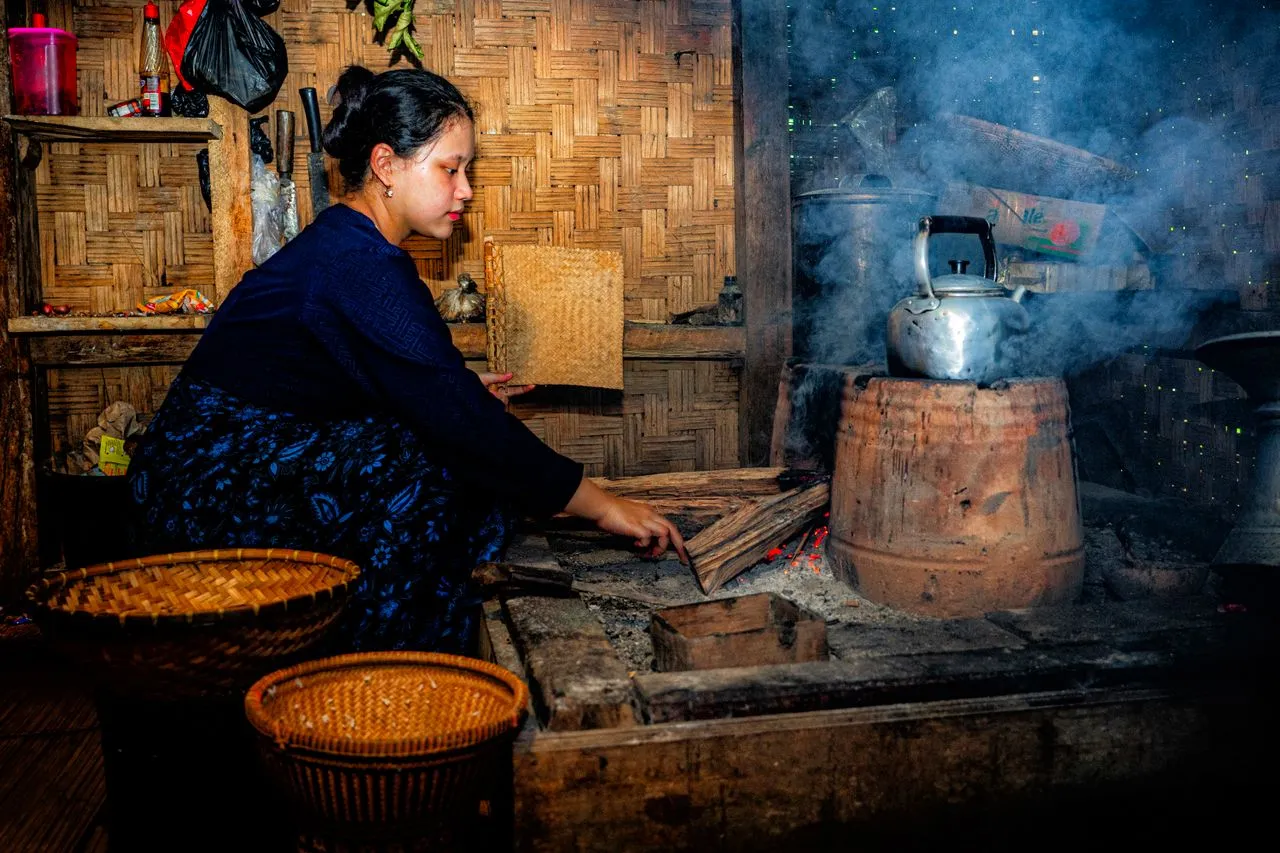
Indonesian is considered one of the easier Asian languages to learn because of its simple grammar and lack of verb conjugation.
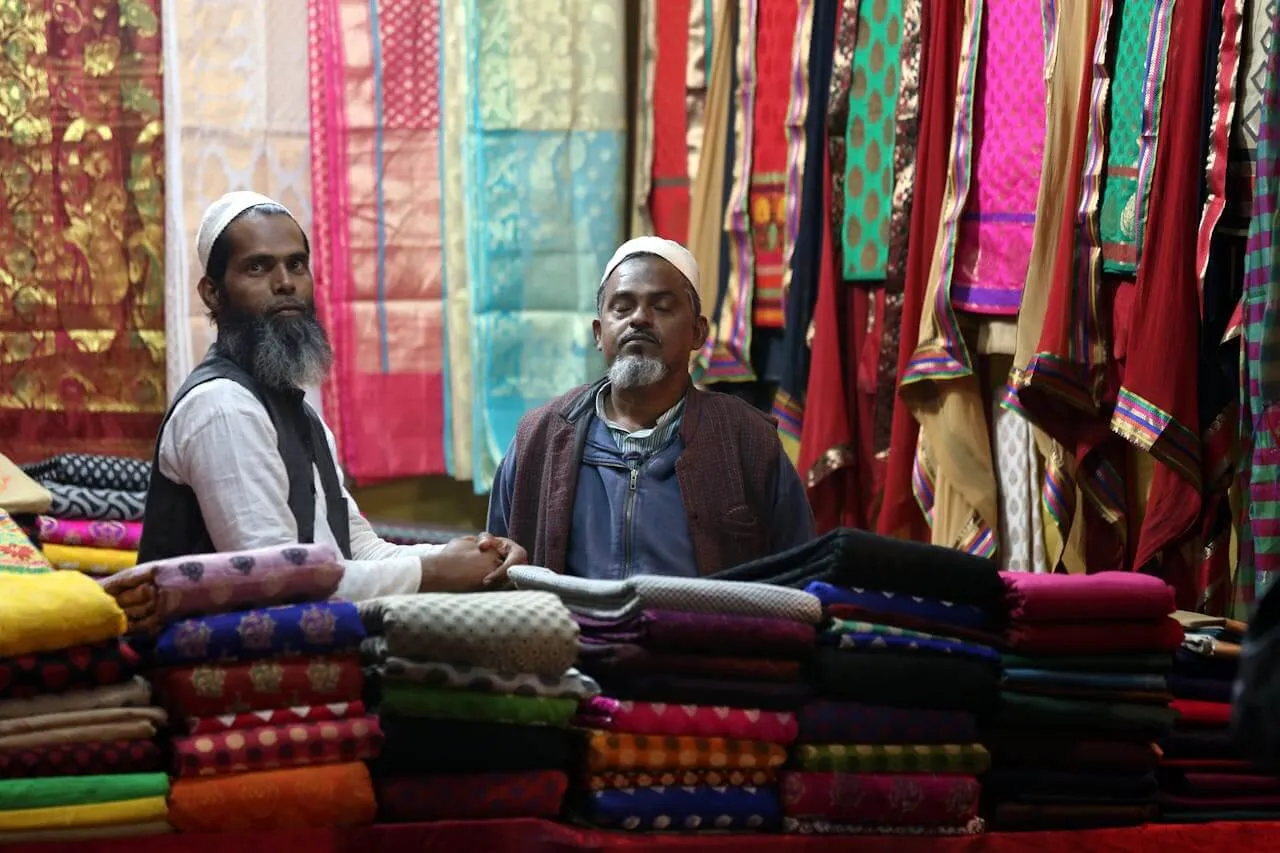
Bengali can be challenging because of its script and pronunciation, but it has a rich literary tradition and consistent grammar.

Thai can be challenging because of its tonal system and writing script, but its grammar follows consistent rules.