
Swedish Slang Words to Sound Like a Native
Swedish slang includes modern expressions, casual phrases, and urban vocabulary commonly used by native speakers throughout Sweden.
Discover the characteristics of the Abruzzese dialect, including its pronunciation and the unique words that make it special.
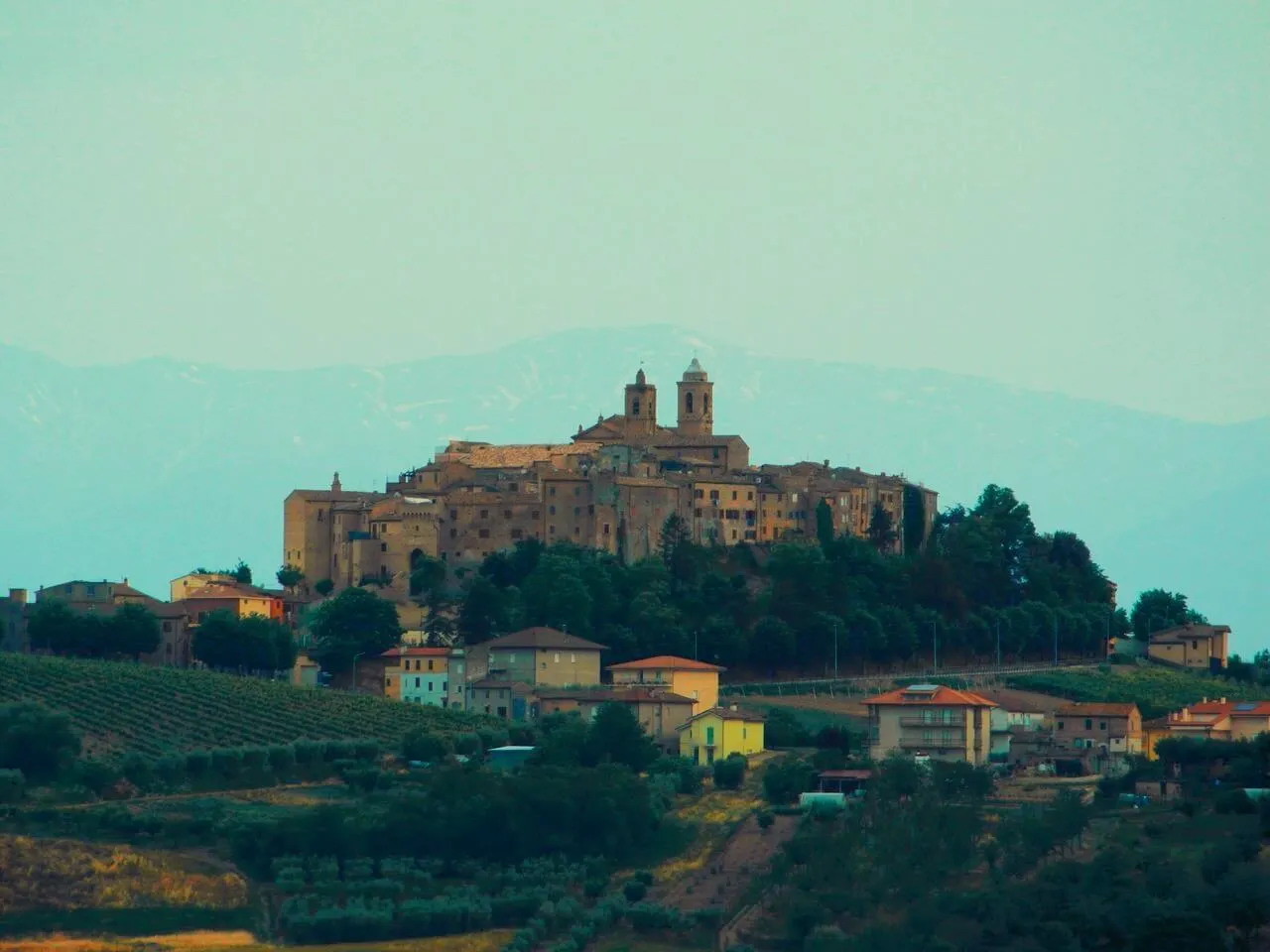
Abruzzo is a region in central Italy famous for its landscapes, including the Gran Sasso mountains, beautiful beaches, and medieval hill towns. The dialect spoken in the Abruzzo region is called Abruzzese. It is closely related to the Neapolitan language, so if you have already learned a little Neapolitan, you may notice many similarities.
Like what happens with all Italian languages and dialects, there is no single dialect, and it changes a lot within the region. The way people speak changes from town to town and province to province. Someone from L'Aquila may sound quite different from someone from Chieti or Teramo. Even so, many pronunciation patterns and expressions are shared across the region.
The final e has a unique sound. This is one of the easiest things to notice. Instead of pronouncing the final e clearly, speakers often use a soft, neutral sound called a schwa (which is similar to the vowel sound in the word bird). This feature is shared by many other Southern Italian dialects, especially Apulian ones.
The sound st often becomes sh, so questo (this or this one) is pronounced like queshto.
Also, the sounds gi and ci are pronounced more like sh in some words.
In short words composed of one syllable, consonants are doubled; for example, people would say a mme, a tte (to me, to you) rather than a me or a te.
Here are some words and phrases you might hear in Abruzzo. Some of them are also common in many other parts of Southern Italy.
Ue! A friendly and informal way to say hi or hello! You can also use it to get someone's attention.
Gna va? How are you? Or How's it going? It is the equivalent of Come va? in standard Italian.
Compà A friendly way to say mate, friend, or buddy. You can use it to call your friends.
Mo Means now. For example, Mo arrivo, now I am coming. It is one of the most common words in Southern Italian speech.
While the expressions above are also found in other regions, the following are unique to Abruzzo:
Ngulo! An exclamation used to express almost every kind of emotion: surprise, shock, happiness, or even frustration. Like many regional expressions, the meaning depends on the situation and should be used with care.
Chisciccis! An expression similar to saying Damn it! when something goes wrong.
Freghete (sometimes written Fregt) is a slang expression that can mean something is cool, impressive, or amazing, depending on the context.
Rustell' A shortened local way of referring to arrosticini, the famous grilled lamb skewers that are one of Abruzzo's best-known foods and are loved throughout Italy.
Come ti rimetti? In some parts of Abruzzo, this unusual expression means What is your surname? rather than asking how someone is doing.
Abruzzese grammar can also differ from standard Italian in some ways. One example is the use of doubled pronouns. In Abruzzese, it is possible to say expressions like a 'mme mi (to me), where both the indirect object pronoun and the stressed pronoun appear together for emphasis. In standard Italian, this construction would generally be considered incorrect because it creates a double expression of the same idea (a me mi is usually avoided).
Another feature is that possessive pronouns can sometimes be attached to the end of words. For example, mammete means your mother (literally mamma + tua), and the possessive pronoun -te is added to the end of the noun instead of appearing before it, as in standard Italian (tua madre).
Swedish slang includes modern expressions, casual phrases, and urban vocabulary commonly used by native speakers throughout Sweden.
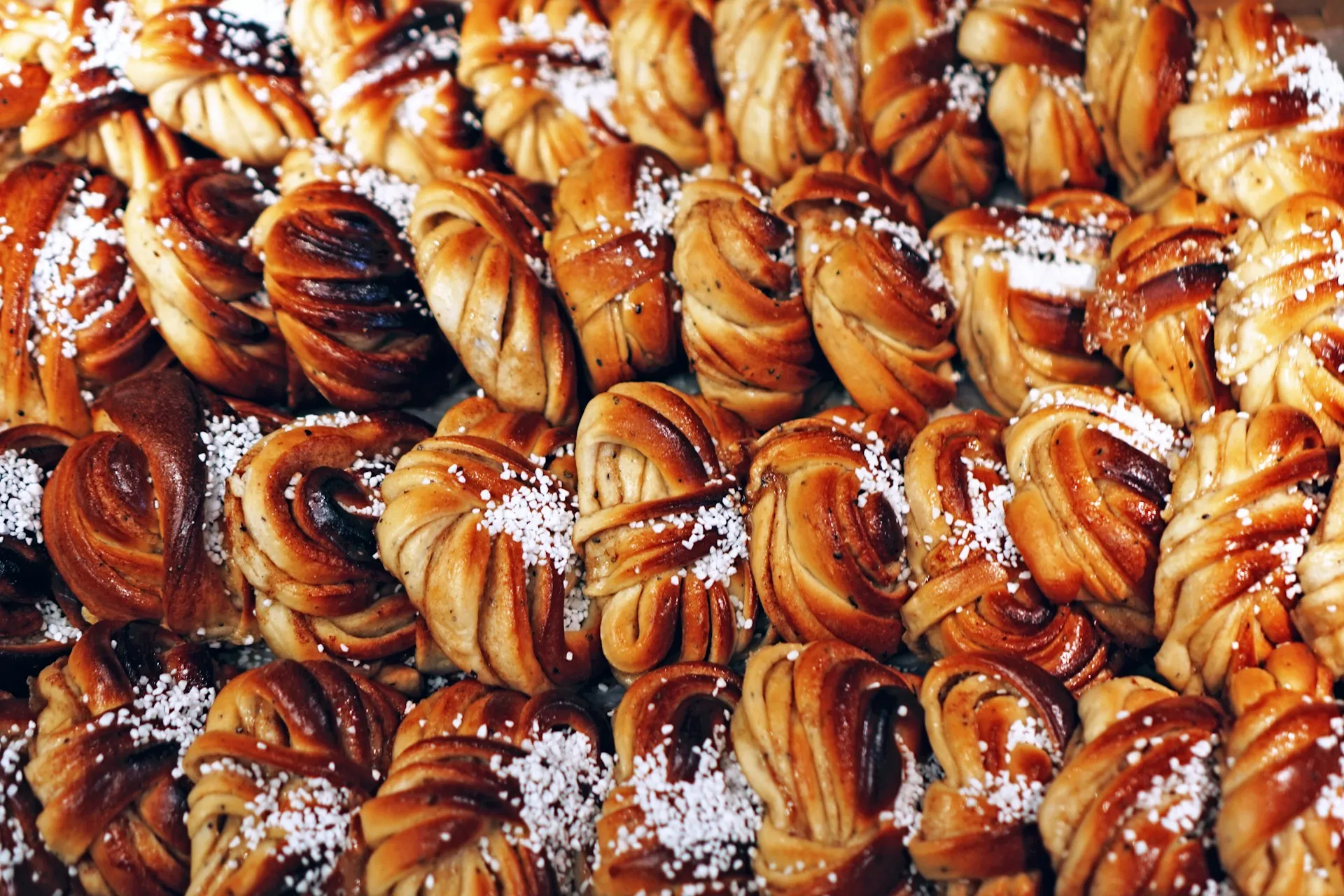
Swedish dialects vary across regions, with differences in pronunciation, grammar, vocabulary, and cultural identity.

Ligurian is a regional language spoken in Liguria and parts of southern France, known for its unique history and maritime heritage.
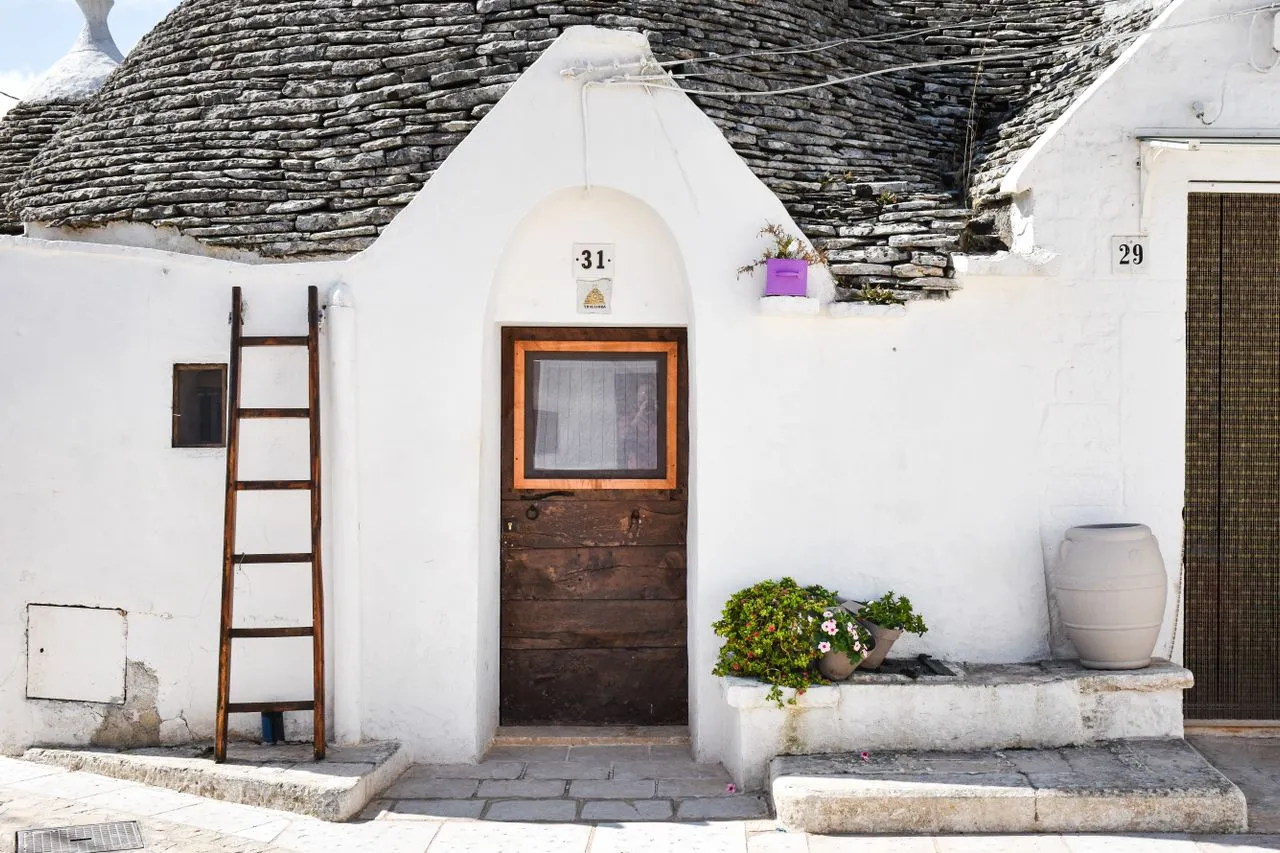
Discover the Apulian dialects of southern Italy, including their vocabulary, pronunciation, regional differences, and cultural heritage.
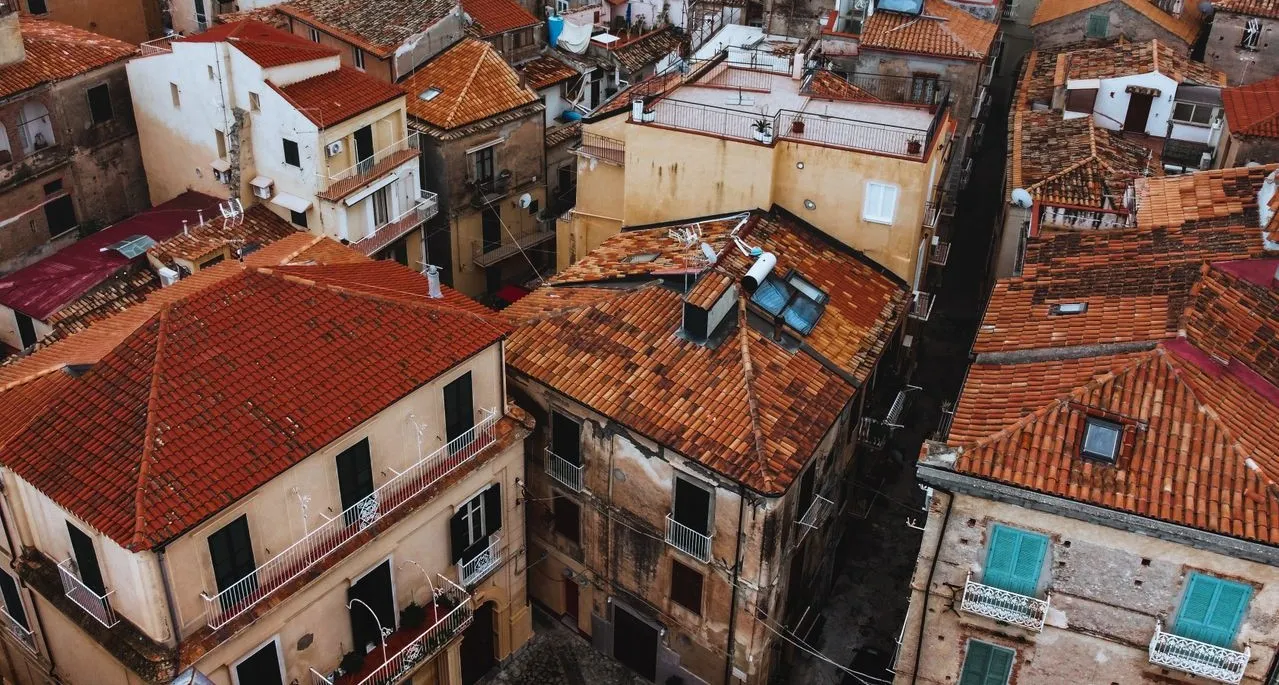
Learn about Calabrian dialects, their Greek and Romance influences, distinctive pronunciation, and traditional expressions.