20 Ecuadorian Slang Words to Sound Like a Local
Discover Ecuadorian slang, exploring everyday phrases, regional differences, and the cultural influences behind Ecuador's Spanish.
Sicilian is more than just a dialect, it’s a living language that reflects the depth and complexity of Sicily’s rich history
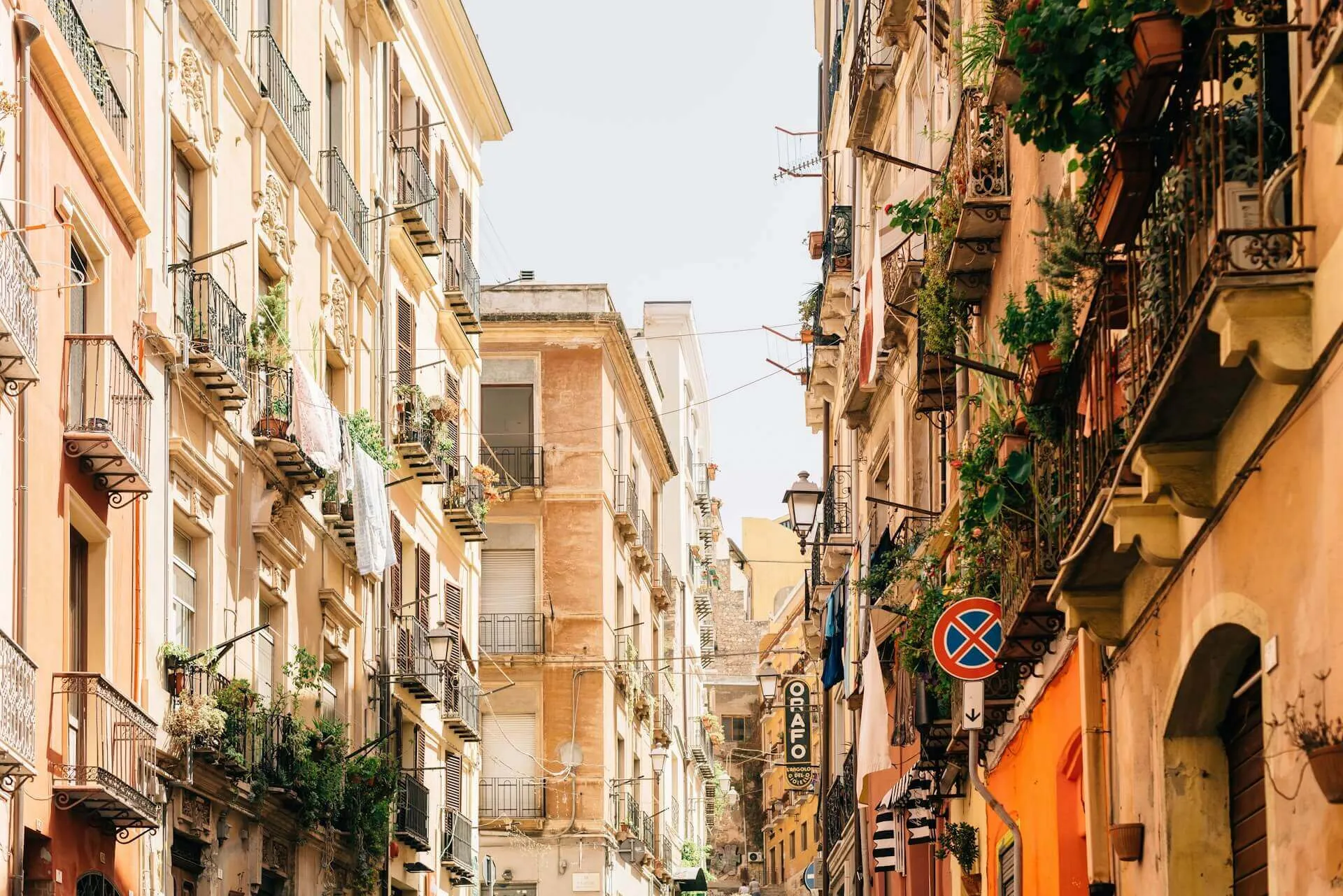
The Sicilian language is spoken by around five million people both in Sicily and in Sicilian communities abroad. It is an important part of the culture of the island, which reflects the many cultures that have influenced Sicily over the centuries.
Like all Italian local languages, Sicilian is spoken more in everyday life than in formal contexts, and it is more commonly used in rural areas than in urban centers. Moreover, it is considered one of the languages most different from standard Italian, together with Sardinian, so it is one of the most difficult to understand. A person from another region of Italy might be able to read it and maybe grasp the general meaning in simple conversation, but he will struggle to follow everything that has been said.
Sicilian is not simply a dialect; it is a language with its own vocabulary that can be very different from Italian. Moreover, it also has its own grammar, with distinct verb conjugations and tenses, and its own pronunciation characterized by the frequent use of double consonants, such as dd, cc, or gg.
Sicily is an island located in the very center of the Mediterranean Sea, so it is a very strategic location, and for this reason it has been conquered by many civilizations. So the Sicilian language has also been influenced by all those different peoples and is the result of centuries of cultural blending. First came the Greeks, who founded many cities on the island. Then came the Romans, who brought Latin, which is the base of both Sicilian and standard Italian. Later, the Arabs, Normans, and Aragonese all left their mark.
Here are some examples. One Sicilian word for island, gisira, is derived from the Arabic word jazira. Another example is the typical Sicilian word carusu (boy or young man), which probably derives from the Greek kóros, meaning the same thing, though some people say it comes from the Latin carus (dear). Another word, ajeri (yesterday), comes from the Spanish ayer.
Sicilian is not a uniform language. From Palermo to Catania, and from Trapani to Messina, every province, and often every town or village, has its own unique vocabulary and way of speaking. Some dialects are so distinct that people from opposite ends of the island might struggle to fully understand each other.
A fun example that shows this diversity is the famous rice ball dish known as arancino. In Catania and much of eastern Sicily, it’s masculine and ends in -o (arancino), while in Palermo and western Sicily, it’s feminine and ends in -a (arancina). Sicilians love to argue about what the correct name of this dish is.
Want to sound like a local? Here are some of the most common Sicilian greetings and expressions:
| Sicilian Phrase | Italian | English Meaning |
|---|---|---|
| Pi favuri | Per favore | Please |
| Ciau | Ciao | Hello / Goodbye (informal) |
| Buongiornu | Buongiorno | Good day / Good morning |
| Comu va? / Comu stai? | Come stai? | How are you? |
| Staju bonu / bonu | Sto bene, grazie | I’m good, thanks |
| Vivu a Palermu, e tu? | Vivo a Palermo, e tu? | I live in Palermo, and you? |
| Nun lu sacciu | Non lo so | I don’t know |
| Grazzi | Grazie | Thank you |
| Di unni si? | Di dove sei? | Where are you from? |
| Sugnu di… | Sono di… | I’m from… |
| Nni videmu / Salutamu | Arrivederci | Goodbye |
Some Sicilian words have become popular even outside Sicily and are sometimes used in regular Italian. We gathered the most famous Sicilian expressions and their meanings that you might also hear in standard Italian, if you are watching a Sicilian in a TV series, for example.
Amunì is an informal expression used to motivate others. It’s used to show enthusiasm, encouragement, or to push a friend to hurry up. It can be translated as Let’s go! or Come on! in English. For example, Amunì a cuccàre (Let’s go to sleep).
Picciriddu is a very sweet word Sicilians use for a child, especially a boy. The word literally means small one. There is also a feminine version, picciridda, which is used for a girl. It is similar to saying little one or baby in English.
Compà is short for compare or compadre. It is used when you are talking to a very close friend or someone you trust a lot. It is similar to saying buddy or pal in English.
Picciotto and Carusu are two words used for a young boy or young man. You might hear these words in famous films like Il Padrino (The Godfather). Like picciriddu, picciotta is the feminine form used for girls. The word Carusu was also used historically to describe teenagers or children who worked in mines, especially sulfur mines.
Assai means a lot or very much. For example, if you really like something, you can say Mi piaci assai!, which means I like you a lot! or I really like it! It is so popular that it is also used by people from other regions of Italy.
Minchia! is a very strong word in Sicilian. People say it when they are surprised, shocked, frustrated, or amazed. It is common in everyday speech in Sicily, but you should be careful because it can be considered rude or vulgar in some situations. It is like a strong exclamation in English, similar to saying Wow! or a stronger word depending on the context.
Sicily has a rich literary tradition, and some of its most famous writers from the island chose to write not only in Italian but also in Sicilian. Their works help preserve the language and its unique expressions while sharing Sicilian culture with the world.
One of the most celebrated authors is Andrea Camilleri, famous for his Inspector Montalbano series. Although most of his novels are in Italian, Camilleri often included Sicilian words and phrases, which make the reader feel like they are in Sicily (but also very hard to read for a foreigner). Another iconic figure is Luigi Pirandello, the Nobel Prize-winning playwright and novelist. Pirandello wrote a lot of poetry and plays in Sicilian, and he was one of the first writers to treat it as a proper language.
Discover Ecuadorian slang, exploring everyday phrases, regional differences, and the cultural influences behind Ecuador's Spanish.
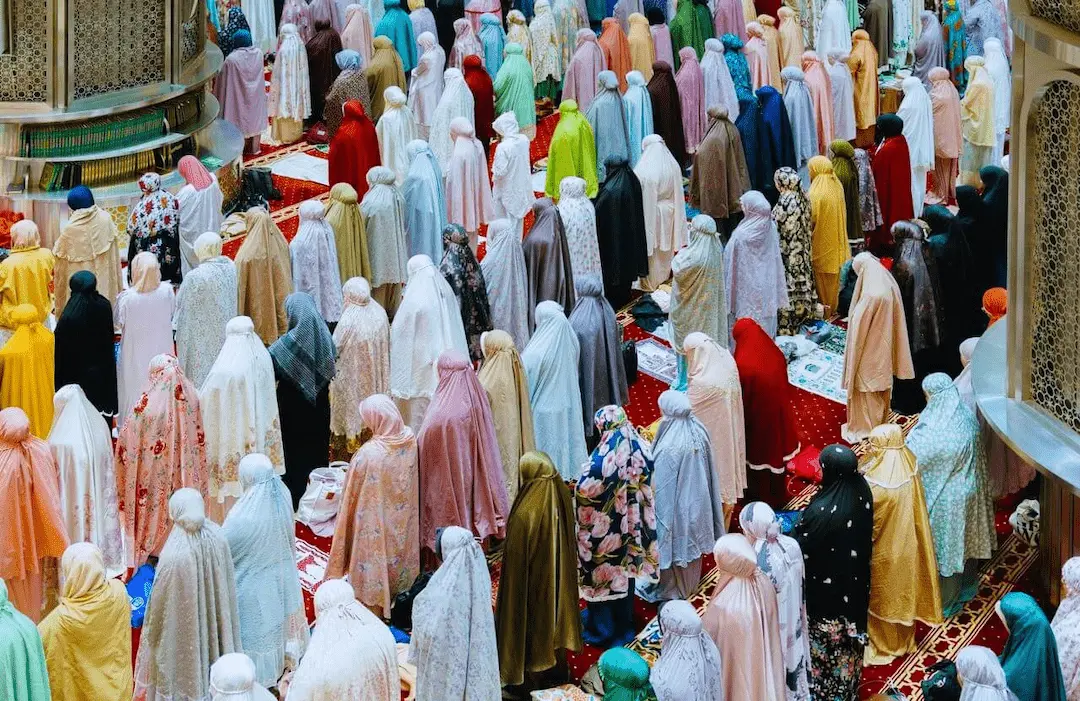
Discover Betawi, the local dialect of Jakarta, Indonesia. Learn its history, common words and phrases, regional varieties, and why it's slowly fading today.

Discover the Franconian dialects spoken across northern Bavaria, including their pronunciation, grammar, and regional expressions.

Is Cantonese hard to learn? Discover why its writing system and tones can be dificult, and why its simple grammar makes it easier to learn.

Learn about Kölsch, the traditional dialect of Cologne, its distinctive pronunciation, vocabulary, and role in local culture.