Is Cantonese an Easy or Difficult Language?
Is Cantonese hard to learn? Discover why its writing system and tones can be dificult, and why its simple grammar makes it easier to learn.
Discover the Franconian dialects spoken across northern Bavaria, including their pronunciation, grammar, and regional expressions.
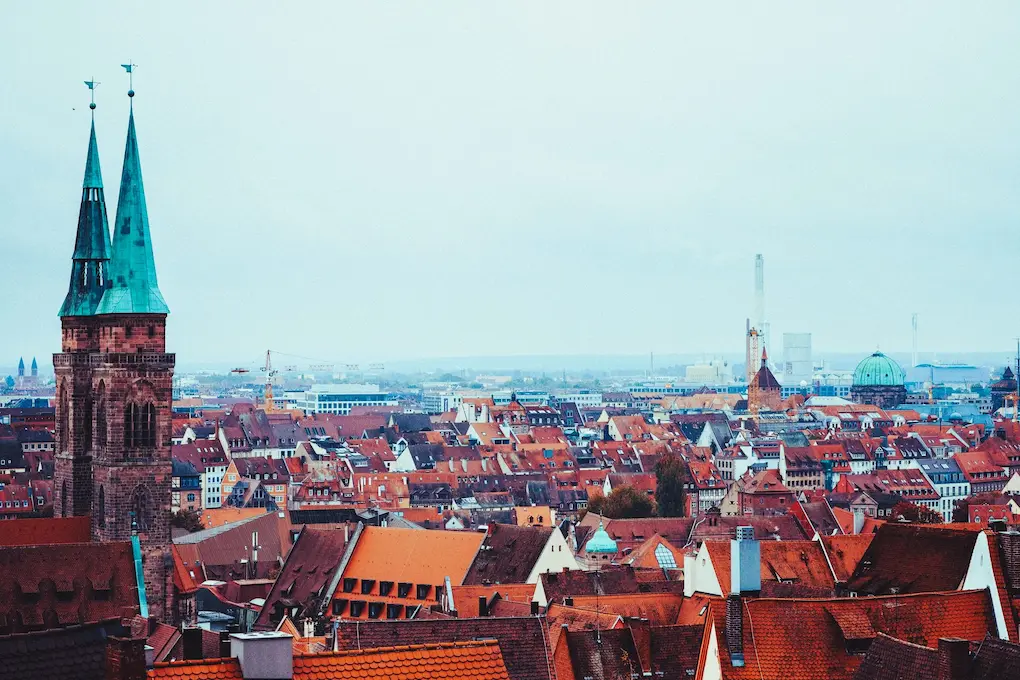
The term Franconia is a bit ambiguous. From a linguistic point of view, Franconian can describe a large group of German dialects and languages that stretch across a wide area, from northern Bavaria all the way to parts of the Netherlands. These dialects are connected historically, but they are not all the same.
However, when most people use the word Fränkisch today, they usually mean Ostfränkisch, the dialect spoken in Franconia (Franken), a historical region in northern Bavaria, especially around cities such as Nuremberg (Nürnberg), Bamberg, Würzburg, and the surrounding areas.
But despite being part of Bavaria, Franconia has its own cultural identity and traditions, and the language is also not the same as the one spoken in the rest of the region. So, even if there are some similarities, the Franconian language is distinct from Bavarian.
Like all German languages and dialects, Franconian is not just one single dialect, and it changes from one place to another. So, the way people speak can change noticeably from one town to another, and therefore someone from Nuremberg may speak in a completely different way from someone from another place, even though they are all speaking Franconian and they can still understand each other.
Franconian has its own pronunciation rules, and therefore some sounds change compared with Hochdeutsch (Standard German). For example:
The R is often pronounced in a more rounded way, similar to the French r. Probably this is the most recognisable feature.
The T sound can become more like a D, so the standard German word Tag (day) in Franconian is pronounced more like Dag instead.
The K sound can become more like a G. This is why Franconian speech may sound softer to outsiders.
Also, the letter P is pronounced a bit differently and can sound a bit more like a B.
Learning a few Franconian words is a great way to understand the language. Below you can find the most common greetings and the characteristic words.
Servus – Hello, this is a very common greeting in Franconia and many parts of southern Germany and Austria. You can also use it to say goodbye as well.
Ade – Goodbye, you may also hear Adeela (with the diminutive suffix, see below). This word exists also in modern Standard German, but it sounds a little old-fashioned; you might hear it in some old songs.
Dangge – Thank you, very similar to the German word Danke.
Bidde – Please or You’re welcome, also very similar to Standard German Bitte.
Doldi – an insult that can be translated as idiot or silly person.
Franggen – Franconians. The local pronunciation of Franken.
a Seidla – a half-liter glass of beer.
a Naachala – a small sip of beer. Beer culture is an important part of Franconian life, with many traditional breweries and beer gardens, so of course there are many words related to beer. After all, it is Germany.
Gschmarri – nonsense, rubbish, or something silly. Another word popular in all of southern Germany.
fei – a special Franconian word used to add emphasis. It does not have a direct translation, but it can make a statement stronger, similar to really, actually, or I should tell you. For example, you can say Des is fei wichtig! to mean That is really important.
Weggla – is the local word for a small bread roll or sandwich. A famous example of this word is Drei im Weggla. That is a local dish composed of three small Nuremberg sausages (Nürnberger Rostbratwürste) served in a bread roll. It is a classic snack and is especially famous around the Nuremberg Christmas market and a must in football stadiums when you watch an FC Nürnberg match.
Kärwa or Kerwa – a traditional local festival. These village celebrations are extremely popular and usually include music, a lot of food, beer, and many traditions. People wear traditional clothes, and every village often has its own Kärwa.
Another typical characteristic is the use of -la at the end of words. This is a diminutive ending, meaning it makes something sound smaller, cuter, or more familiar. For example, Maunze means cat in some Franconian varieties, while Maunzala means a little cat, and the word Waggerla means little child.
Franconian is not only different in pronunciation. It also has some small differences in grammar.
One example is the use of the genitive case. In Standard German, the genitive is often used to show possession, for example: Das Haus des Mannes means the man’s house. In Franconian, people often avoid the genitive and use other structures instead.
Is Cantonese hard to learn? Discover why its writing system and tones can be dificult, and why its simple grammar makes it easier to learn.
Learn about Kölsch, the traditional dialect of Cologne, its distinctive pronunciation, vocabulary, and role in local culture.
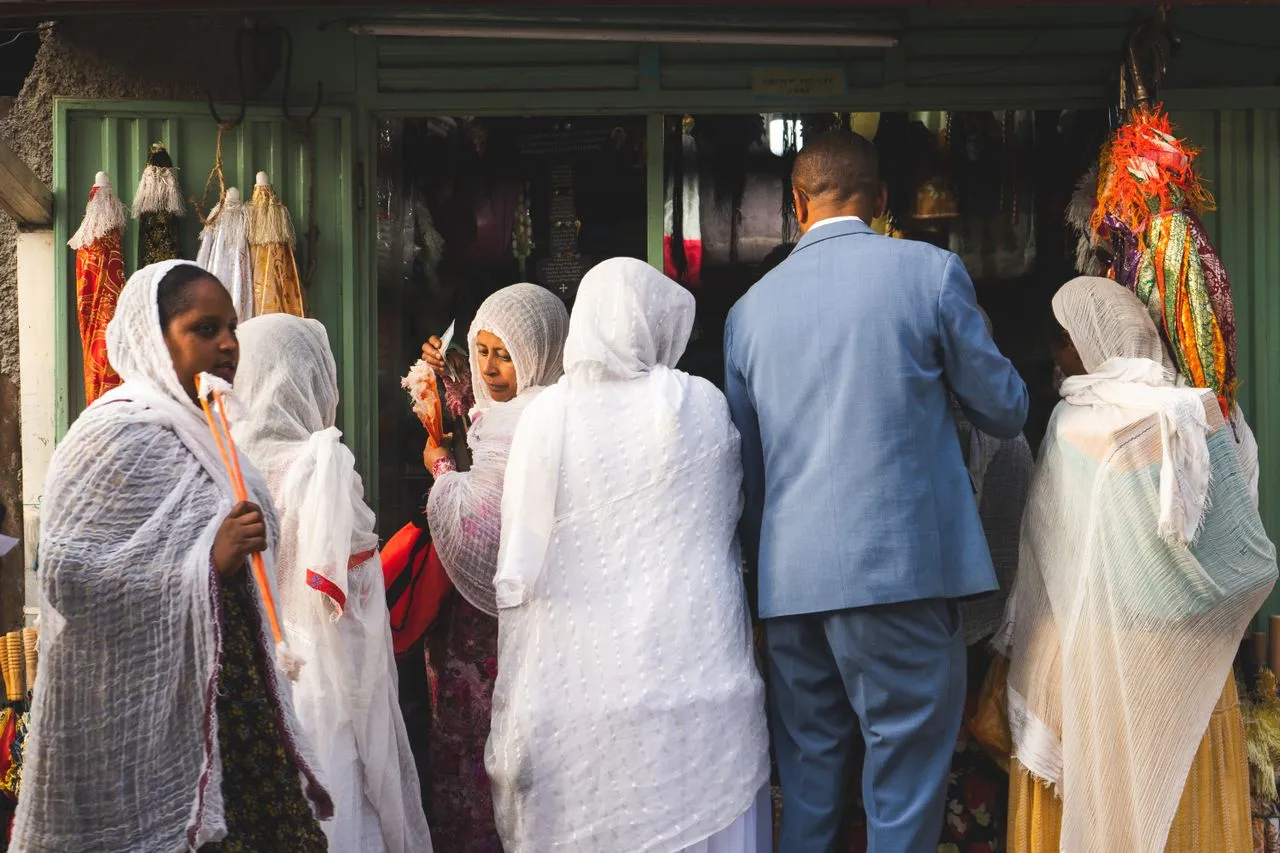
Discover the challenges of learning Amharic, including its unique Geʽez script, complex grammar, pronunciation, and verb system.
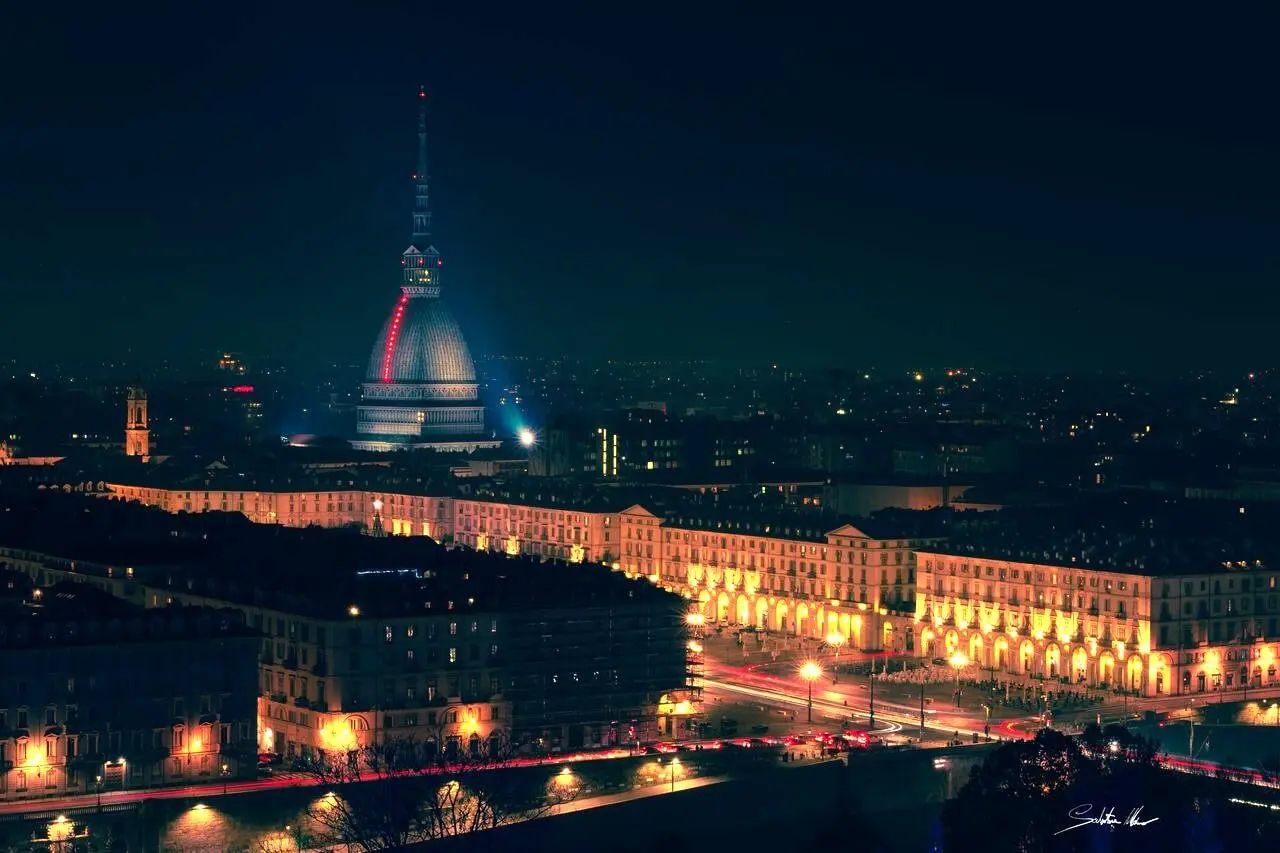
Explore the Piemontese language of northwestern Italy, including its unique grammar, historical French influence, and everyday vocabulary.
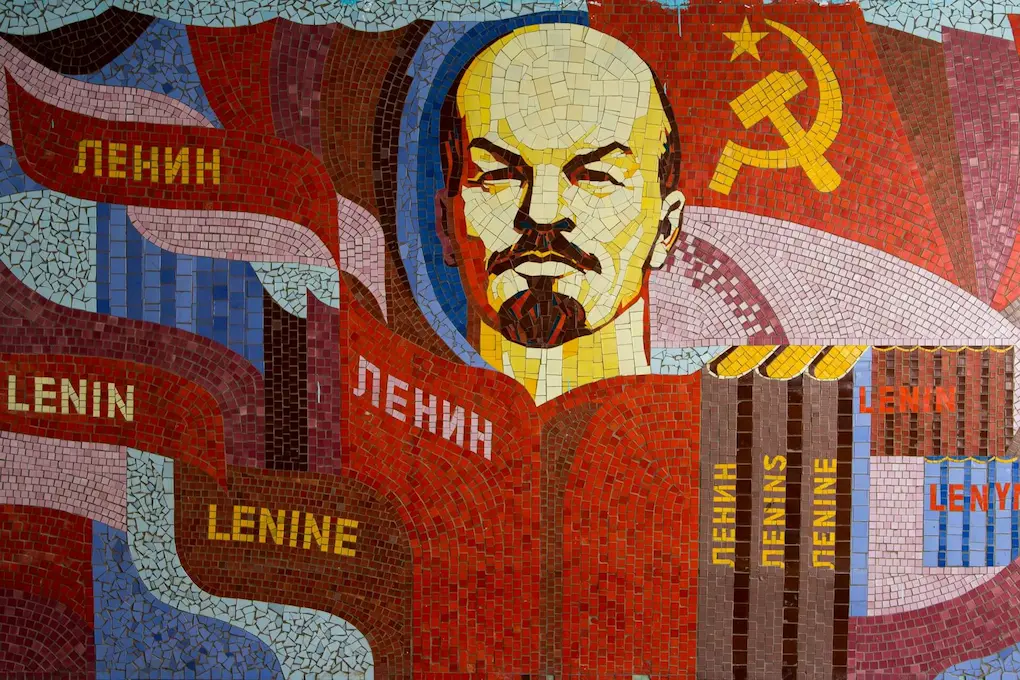
A brief history of the Russian alphabet, its evolution from Cyrillic roots, and how it is used today.