An Introduction to Franconian Language
Discover the Franconian dialects spoken across northern Bavaria, including their pronunciation, grammar, and regional expressions.
Discover Betawi, the local dialect of Jakarta, Indonesia. Learn its history, common words and phrases, regional varieties, and why it's slowly fading today.
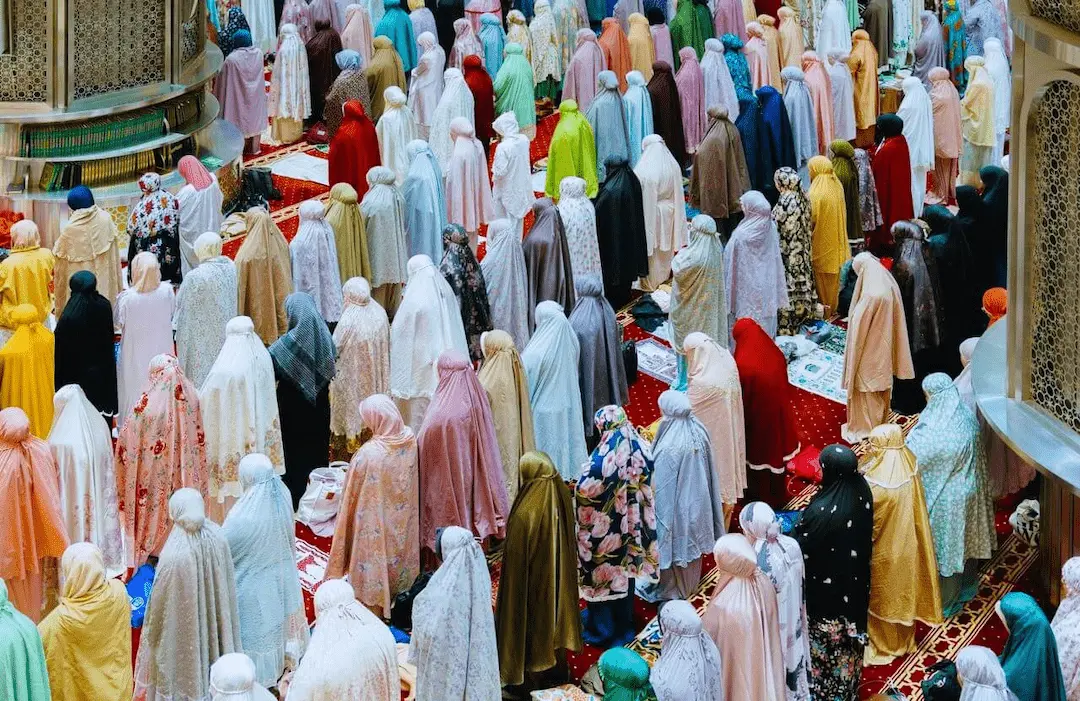
Betawi is the dialect of Indonesian spoken in Jakarta, the capital city of Indonesia, and in the areas around it. It comes from the Malay language, just like Indonesian, but over hundreds of years it has picked up words from many other languages, particularly Dutch and English, but also Arabic, Portuguese, Chinese (especially Hokkien), and other local languages like Javanese or Sundanese.
Unlike other languages of Indonesia that use a completely different vocabulary and often a different grammar as well, Betawi is mostly similar to standard Indonesian, but it has some unique words and expressions.
The word Betawi comes from the old name Dutch people used for Jakarta. For many centuries, Indonesia was a colony of the Netherlands, and during this period, the Dutch called the city Batavia. Over time, local people changed the pronunciation, and it slowly turned into Betawi. So even though the city changed its name after independence, the dialect is still called by the old colonial name (Betawi is also a word used to refer to something from Jakarta in general).
Since Jakarta is the capital and most important city of Indonesia, you might have many occasions to hear Betawi, especially in everyday conversations. In fact, it is not a formal language. People do not use it for official writing, at school, or in business documents. Instead, it is used mostly in casual speech between friends, family, and neighbors.
Here are some everyday words used in Betawi, along with their meaning and the standard Indonesian equivalent. We chose the most common ones and those you might hear if you watch any TV series or speak with local people.
| Betawi Word | Meaning | Standard Indonesian |
|---|---|---|
| Gue | I, me | Saya, Aku |
| Lu, Elu | You | Kamu, Anda |
| Iye | Yes | Iya |
| Kagak | No, not | Tidak |
| Madang | To eat | Makan |
| Ngebadok, Badok | To eat | Makan |
| Nyok | "Let's, come on" | Ayo |
| Demen | To love, to like | Suka |
| Bae | Well, okay | Baik |
| Bagen | Let it be, let me | Biarkan, biar |
| Goroh | A lie | Bohong |
| Keder | Confused | Bingung |
| Babeh | Father | Ayah, bapak |
| Enyak | Mother | Ibu |
| Nyai | Grandmother | Nenek |
| Engkong | Grandfather | Kakek |
| Ncang | Uncle | Paman or Om |
| Ncing | Aunt | Bibi or tante |
| Buset | Used to express surprise, similar to Damn!" | No direct equivalent (closest: astaga) |
| Etdah | "Oh my goodness" | No direct equivalent (closest: astaga, ya ampun) |
But Betawi is not spoken the same way everywhere, and there are many subdialects within it. This might surprise you since it is spoken in just one city, but it makes perfect sense if you think about how big Jakarta is. It is the biggest city in the world (though not in all rankings) with over 30 million people living there, and you just have to look at it on a map to realize how big the city is. There are two main varieties of Betawi: Betawi Tengahan and Betawi Pinggiran.
Betawi Tengahan, also called Betawi Pusat (Central Betawi), is spoken in the city center and is probably the most famous and well-known variety. You can easily identify it by the way people pronounce words ending in a, in fact, this changes into an e sound, said with a light accent. For example, the word ape is used instead of apa, which means what.
Betawi Pinggiran and Betawi Ora are those varieties spoken in the outskirts of the city and in the more suburban parts of the Jakarta metropolitan area, like Depok or Bogor. The main characteristic of these dialects is that they tend to use more foreign-influenced words compared to the central version.
This shows that Betawi is not one single language but really a group of related ways of speaking that share the same roots but sound a little different depending on where you are.
According to research on the topic, fewer people are speaking Betawi today than in the past. There are two main reasons for this. First, formal education mostly teaches and uses standard Indonesian, not Betawi. Second, as more people use standard Indonesian in daily life, especially younger generations, Betawi naturally gets used less. This happens across all of Indonesia, not only in the capital.
But even with its decline, Betawi remains an important part of Jakarta's culture, just like Ondel-Ondel, Monas (the National Monument), and traffic jams, and if you talk to local people using Betawi words, they will be extremely happy.
Discover the Franconian dialects spoken across northern Bavaria, including their pronunciation, grammar, and regional expressions.
Is Cantonese hard to learn? Discover why its writing system and tones can be dificult, and why its simple grammar makes it easier to learn.
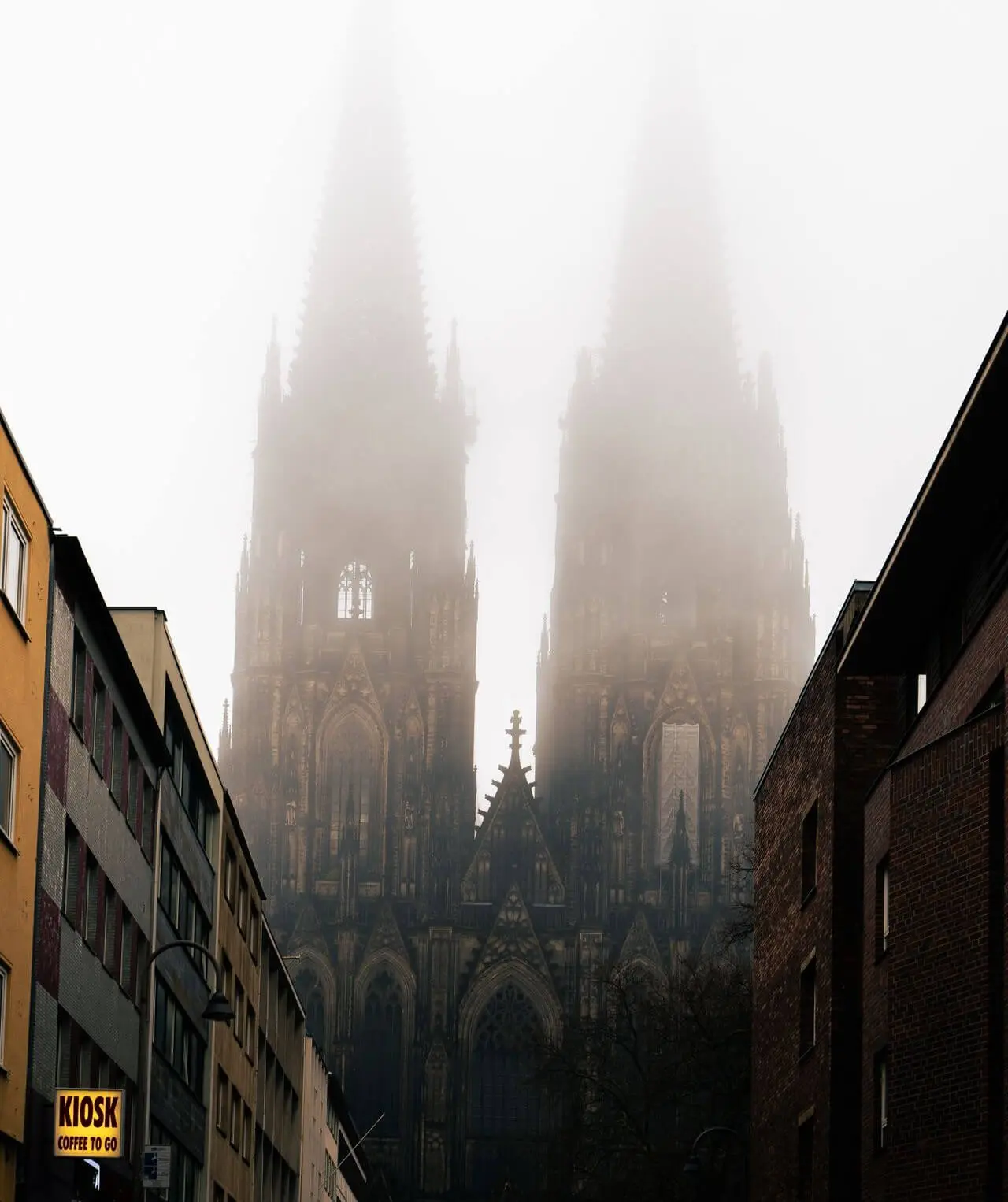
Learn about Kölsch, the traditional dialect of Cologne, its distinctive pronunciation, vocabulary, and role in local culture.
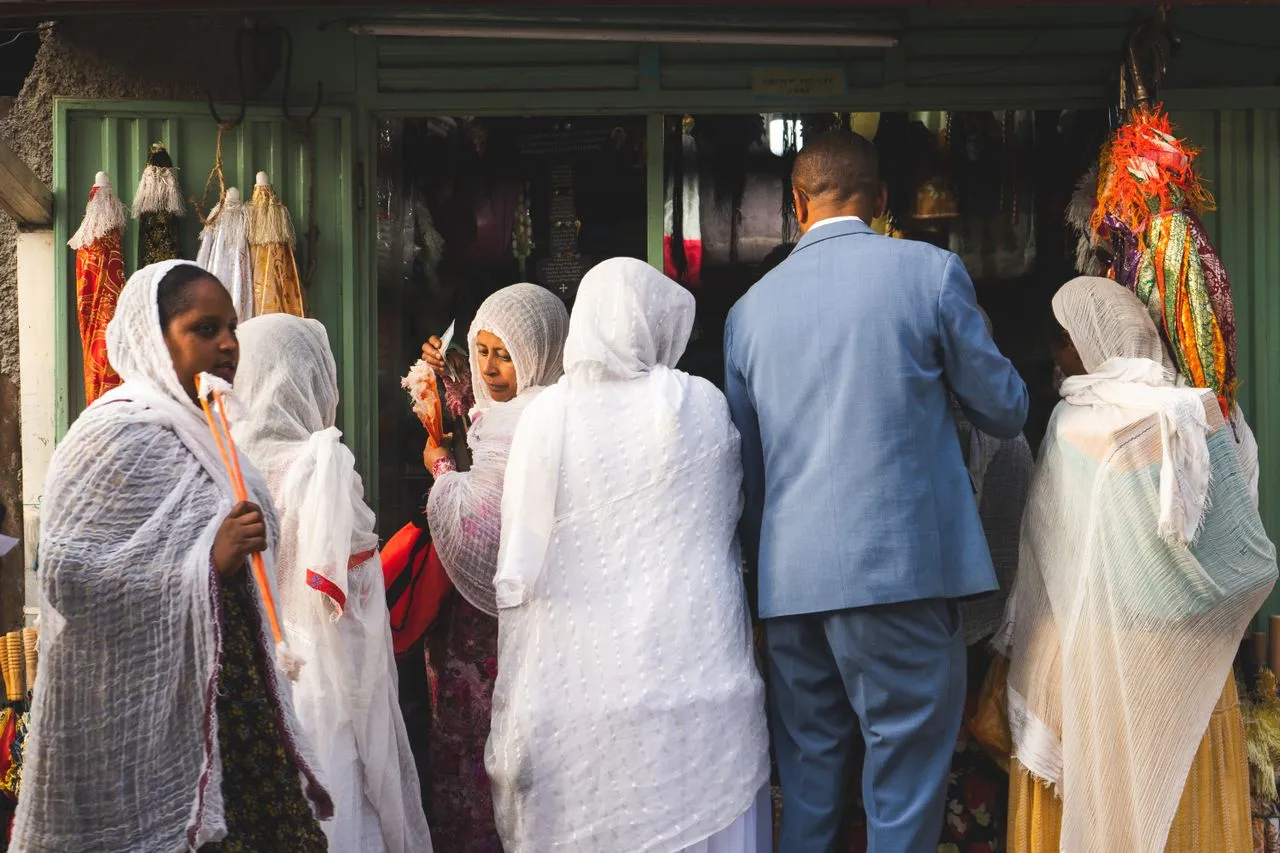
Discover the challenges of learning Amharic, including its unique Geʽez script, complex grammar, pronunciation, and verb system.
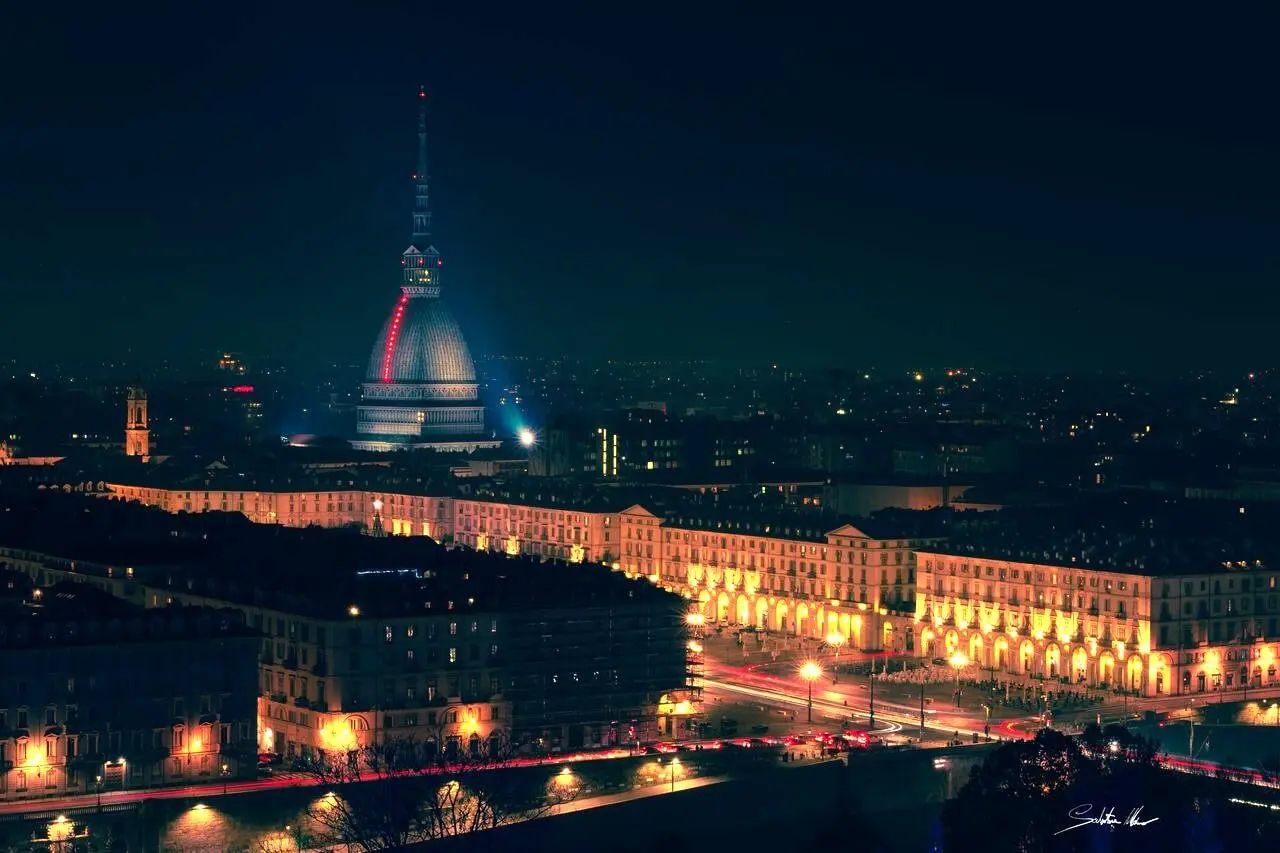
Explore the Piemontese language of northwestern Italy, including its unique grammar, historical French influence, and everyday vocabulary.