
The Tradition of Bengali Dak Naam
Discover the charming tradition of Bengali daak naam, affectionate nicknames commonly used by family and friends.
A look at the main Albanian dialects, including Gheg and Tosk, and how they differ in pronunciation and vocabulary.
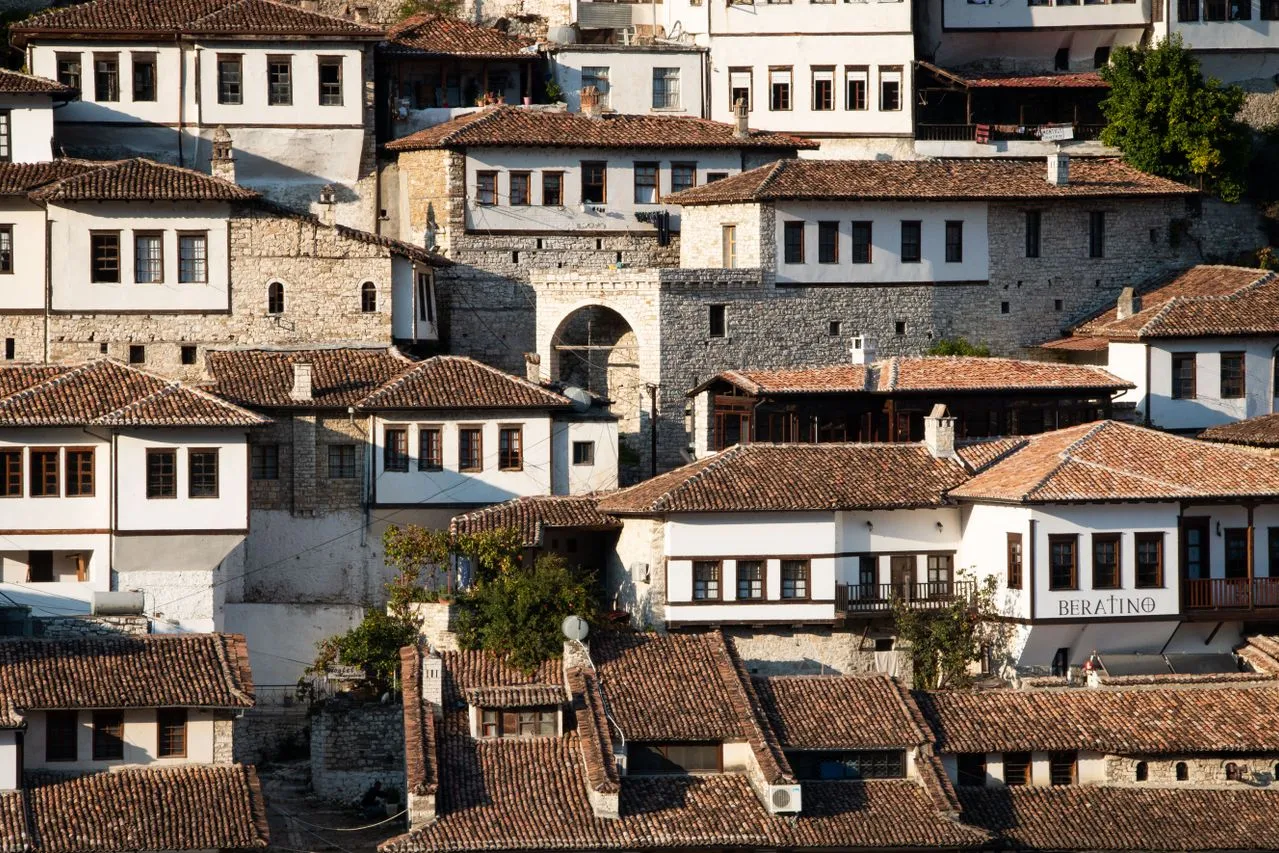
Albanian has two main dialect groups: Gheg (gegërisht) and Tosk (toskërisht). The Gheg dialect is spoken in the north of Albania. It is also the main dialect spoken in Kosovo, as well as by many Albanian communities in North Macedonia.
The Tosk dialect is spoken in the south of Albania. It is also spoken by Albanians living in parts of North Macedonia, Greece, and among the historic Albanian communities in southern Italy.
The traditional dividing line between the two dialects is the Shkumbin River, which runs across the middle of Albania. People living north of the river generally speak Gheg, while those living south of it usually speak Tosk.
Like many languages, Albanian also has many subdialects. So the way people speak can change from one town or village to another, even within the same dialect.
Yes. Speakers of Gheg and Tosk can usually understand each other without much difficulty. Although there are differences in pronunciation and vocabulary, they are still speaking the same language.
One reason for this is that Standard Albanian has been based mainly on the Tosk dialect since 1970. Standard Albanian is taught in schools, used in books, on television, and in the news. Because of this, many Gheg speakers are very familiar with Tosk forms. This can sometimes make it a little easier for Gheg speakers to understand Tosk than the other way around, although Tosk speakers generally understand Gheg well too.
One of the biggest differences between the dialects is pronunciation. Gheg keeps nasal vowels, a feature that has mostly disappeared from Tosk. You may see these written with symbols such as â.
Some sounds are also different. For example, the r found in many Tosk words often becomes n in Gheg.
Moreover In some Gheg varieties, the final ë is hardly pronounced or may disappear completely.
Many everyday words differ depending on the dialect. Here is a list of the most common differences between the two varieties.
| English | Tosk | Gheg |
|---|---|---|
| Butter | gjalpë | t'lyn |
| Milk | qumësht | tamël |
| Egg | vezë | voe |
| Strawberry | luleshtrydhe | luleshtrydhe or dredhëz |
| Watermelon | shalqi | bostan |
| Car | makinë | makinë or kerr |
| Girl | çupë | çikë or gocë |
| Mother | nënë or ëmë | âmë or nonë |
| Place | vend | ven |
| Village | fshat | katun or katundi |
| Moon | hënë | hanë |
| Sun | diell | dielli |
| Tooth | dhëmb | dham |
| Sweet | ëmbël | âmël |
There are also some grammatical differences between Gheg and Tosk. For example, one well-known difference is how the future tense is formed.
In Gheg, people often use kam me: Kam me shku. I will go, while in Tosk and Standard Albanian, the usual form is: Do të shkoj. I will go.
Another difference is the infinitive. Gheg has preserved an infinitive structure using me, while Standard Albanian and Tosk generally use për të or other constructions instead.
Discover the charming tradition of Bengali daak naam, affectionate nicknames commonly used by family and friends.

Tagalog has a unique verb focus system, but its pronunciation and alphabet are relatively accessible.
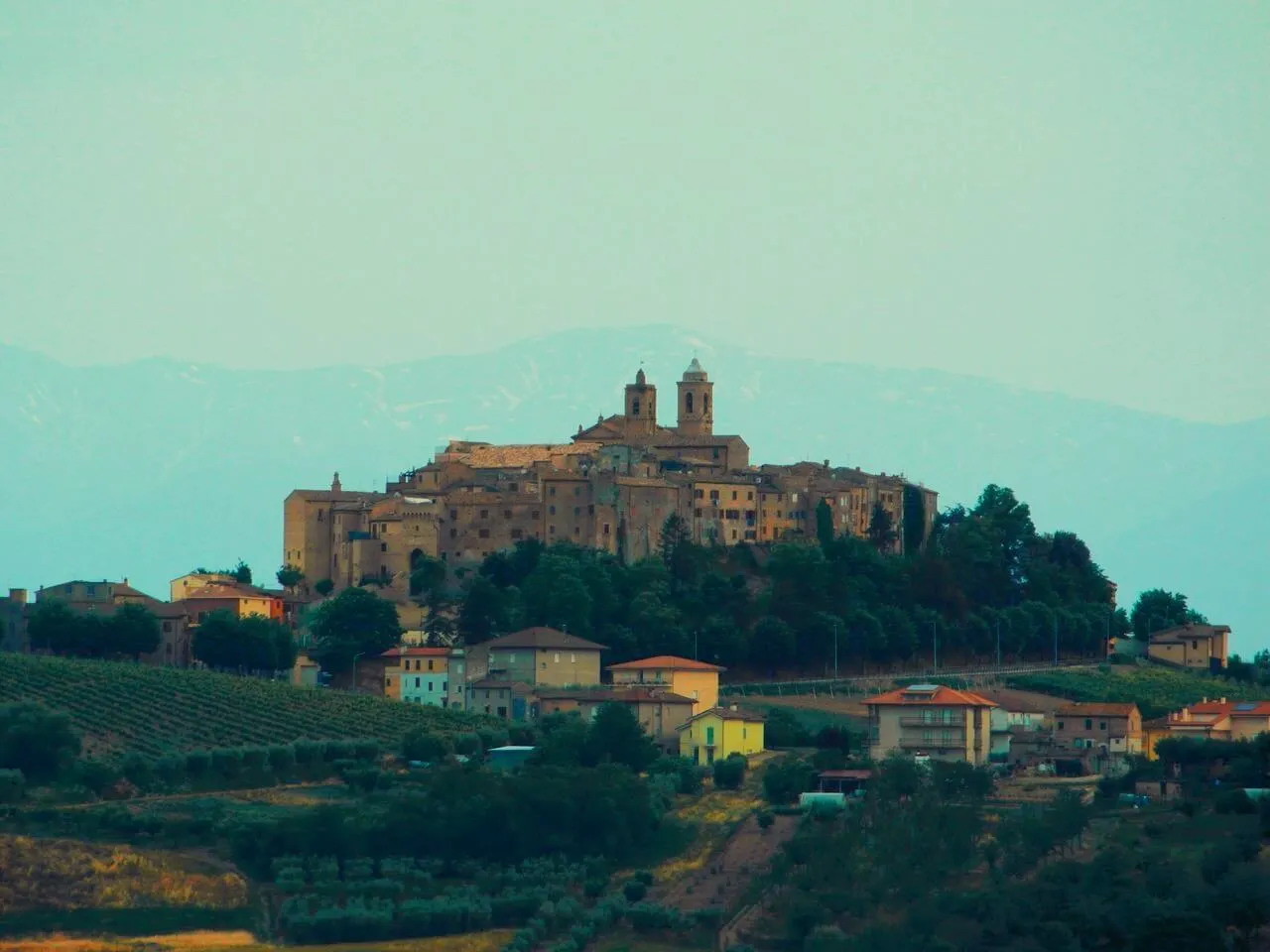
Discover the characteristics of the Abruzzese dialect, including its pronunciation and the unique words that make it special.
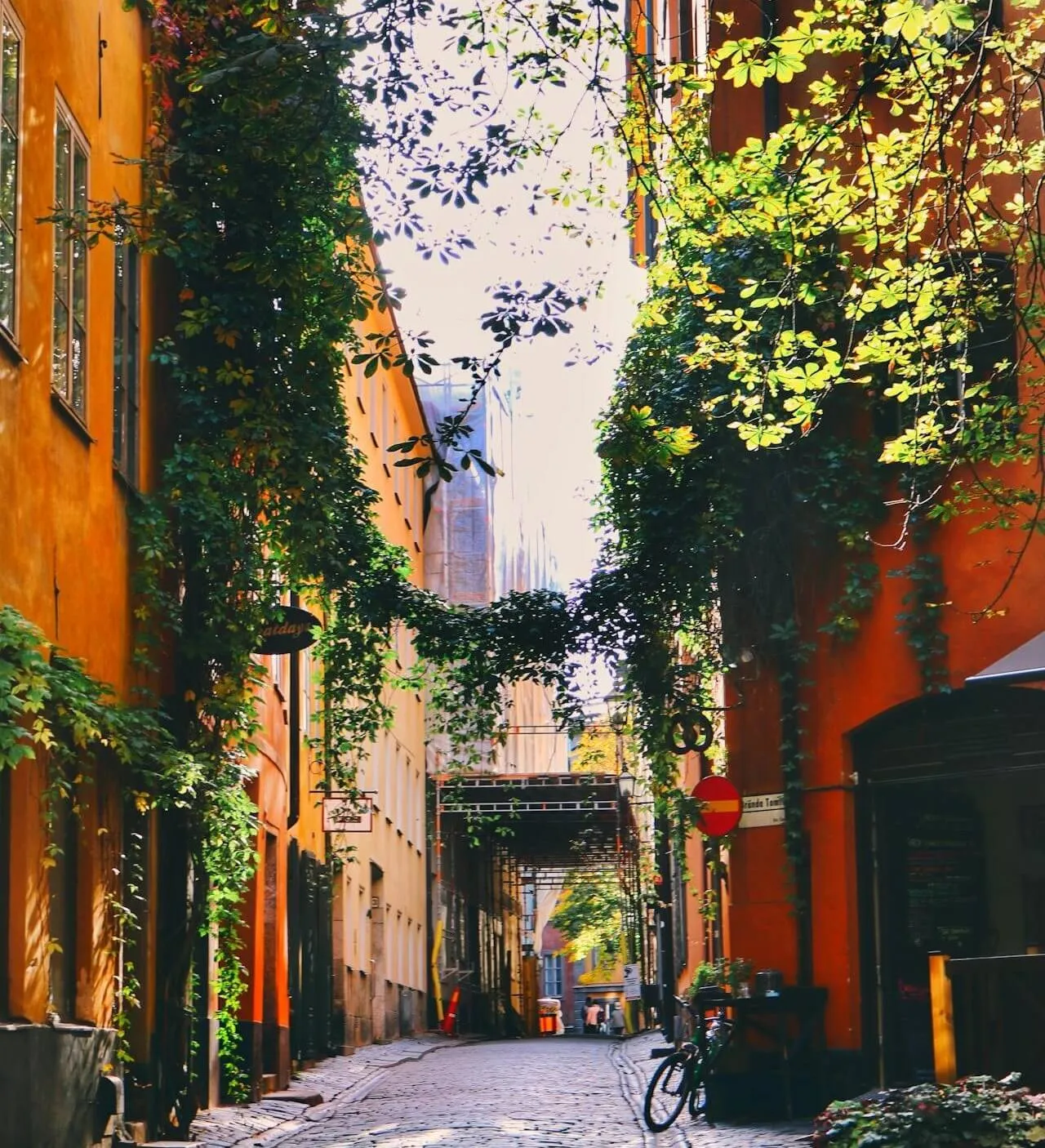
Swedish slang includes modern expressions, casual phrases, and urban vocabulary commonly used by native speakers throughout Sweden.
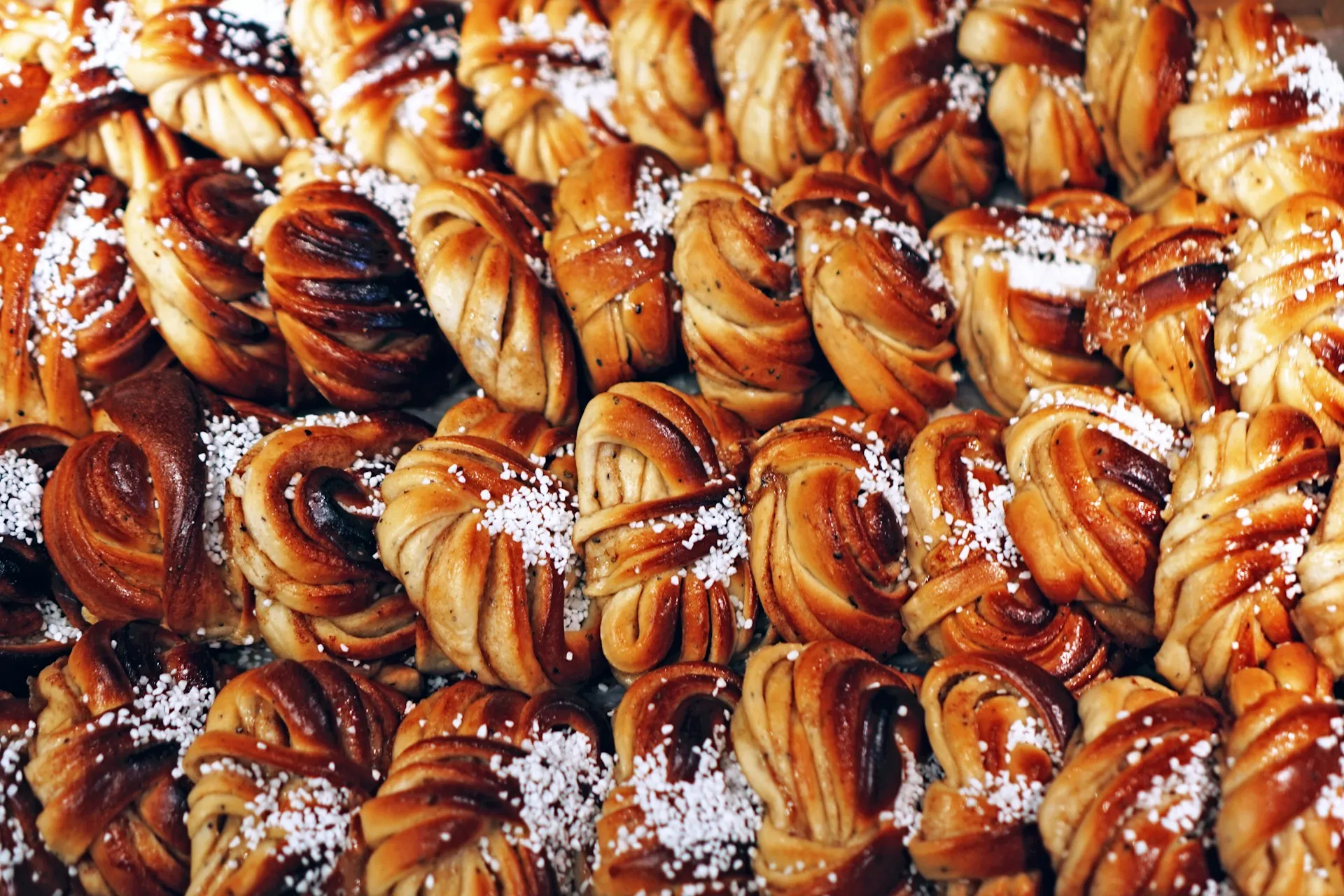
Swedish dialects vary across regions, with differences in pronunciation, grammar, vocabulary, and cultural identity.