15 Funny Italian Words
Discover funny Italian words and expressions that show the creativity, humor, and uniqueness of everyday Italian speech.
Learn about Calabrian dialects, their Greek and Romance influences, distinctive pronunciation, and traditional expressions.
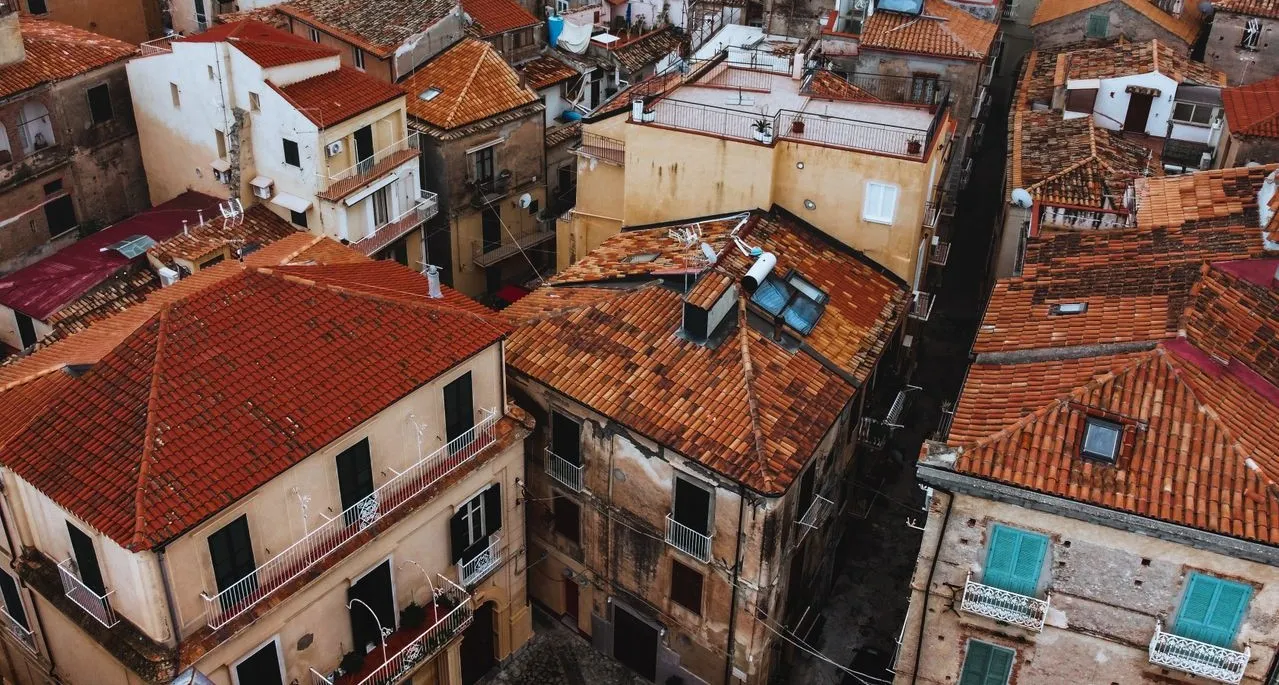
Italy is famous for its regional languages and dialects, and Calabria is no exception. While many people refer to the Calabrian dialect as if it were a single language, the reality is much more complex. In fact, there is no single Calabrian dialect. Just like in many other parts of Italy, the language changes from one town to another, sometimes even between neighbouring villages.
The dialects spoken in the south of the region, in the provinces of Reggio, Crotone, and Catanzaro, are very similar to the Sicilian language, while the dialects spoken in the north, especially in the province of Cosenza, are much closer to Neapolitan. The dialect from this area is often called Cosentino.
Over the centuries, many different cultures have left their mark on Calabria. One of the strongest influences comes from Greek, especially in southern Calabria, where Greek-speaking communities existed for centuries. There are also words that come from Arabic, Spanish, French, and other languages that arrived through trade, conquest, and migration.
For example, the word portogallo means orange and derives from the Greek word πορτοκάλι (portocáli), which many people believe comes from the Portuguese traders who helped spread sweet oranges around Europe.
The pronunciation of Calabrian changes from north to south, but there are a few features that many dialects share. These give Calabrian people a very characteristic accent that makes them easily recognizable.
Long vowels: Vowels, especially the second-to-last vowel in a word, are often pronounced much longer than in standard Italian.
An aspirated H: Some dialects use a noticeable breathy H sound, something that standard Italian doesn't have.
Dropped final vowels: The last vowel of a word is often omitted, making words sound shorter and quicker.
"TR becomes an R sound: In some areas, the tr combination is softened and pronounced more like a simple r."
Z becomes a ch sound: Depending on the dialect, the letter z may be pronounced differently from standard Italian.
Words beginning with an apostrophe: Some famous Calabrian words begin with a consonant cluster after an apostrophe, such as 'nduja, the famous spicy spreadable sausage, and 'ndrangheta, the name of Calabria's well-known criminal organisation.
If you visit Calabria or have Calabrian family, you'll probably hear some of these everyday expressions.
Ciau! – Hello or goodbye.
Uè! – Hi! Another informal way to greet someone.
Comu stai? Comu jamu? – How are you? Literally, Comu jamu? means How are we going?"
Da aùndi sî? – Where are you from?
Pe' piacere – Please.
Grazie – Thank you.
Uagliò – A friend, mate, or young person. A common word throughout southern Italy.
Compà – Short for compare, meaning friend or mate. Also heard in Sicilian and Neapolitan.
Paisà – Literally, this word means peasant, but it is mostly used to call someone from your hometown or from your region.
Jamm' or Jamu – Let's go!
Mo – Now. This word is so common in southern Italy that many Italians recognise it, even outside Calabria.
Focu miu! – Literally my fire!", used like Oh my God! or to express surprise.
Foragabbu – A very expressive word that can be used when you're extremely happy, excited, frustrated, or angry. Its meaning depends heavily on the situation and the speaker's tone.
Petrusinu – Literally parsley (prezzemolo in Italian), but it's also used to describe someone who sticks their nose into everything—a nosy person.
Fetusu – An insult meaning someone unpleasant, dirty, or disgusting. It's also commonly used in Sicily.
Calabrian people are very proud of their language and their culture, but unfortunately, many people outside Calabria find the Calabrian dialect and accent particularly unattractive. In fact, many people consider the Calabrian dialect and accent the ugliest in all of Italy. This is, of course, subjective, and the Calabrian dialect remains an important part of the region's identity.
If you want to learn more about the Calabrian dialect and culture, here is a great site that collects words from different parts of the region and shows how the language can change from one place to another.
AI Calabria
Discover funny Italian words and expressions that show the creativity, humor, and uniqueness of everyday Italian speech.
Indonesian is considered one of the easier Asian languages to learn because of its simple grammar and lack of verb conjugation.
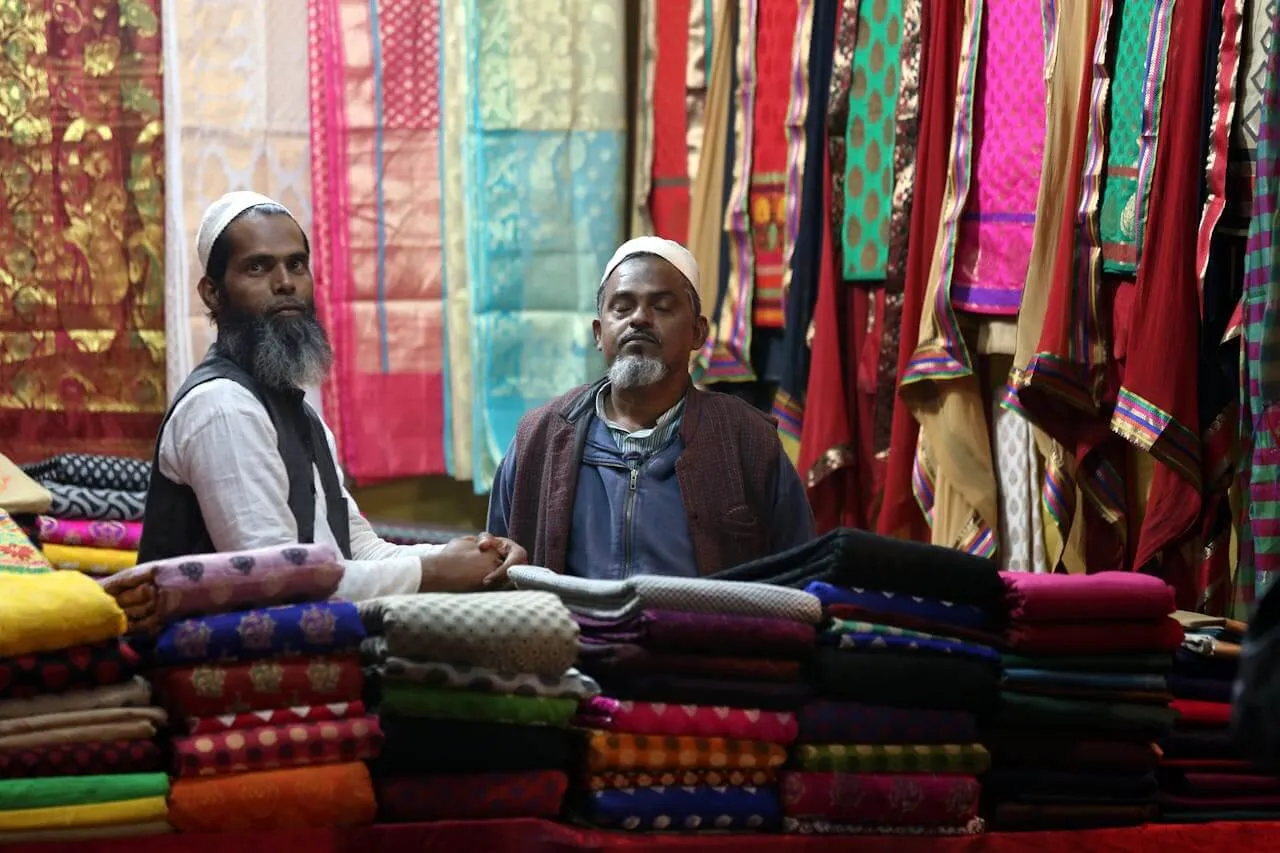
Bengali can be challenging because of its script and pronunciation, but it has a rich literary tradition and consistent grammar.

Thai can be challenging because of its tonal system and writing script, but its grammar follows consistent rules.
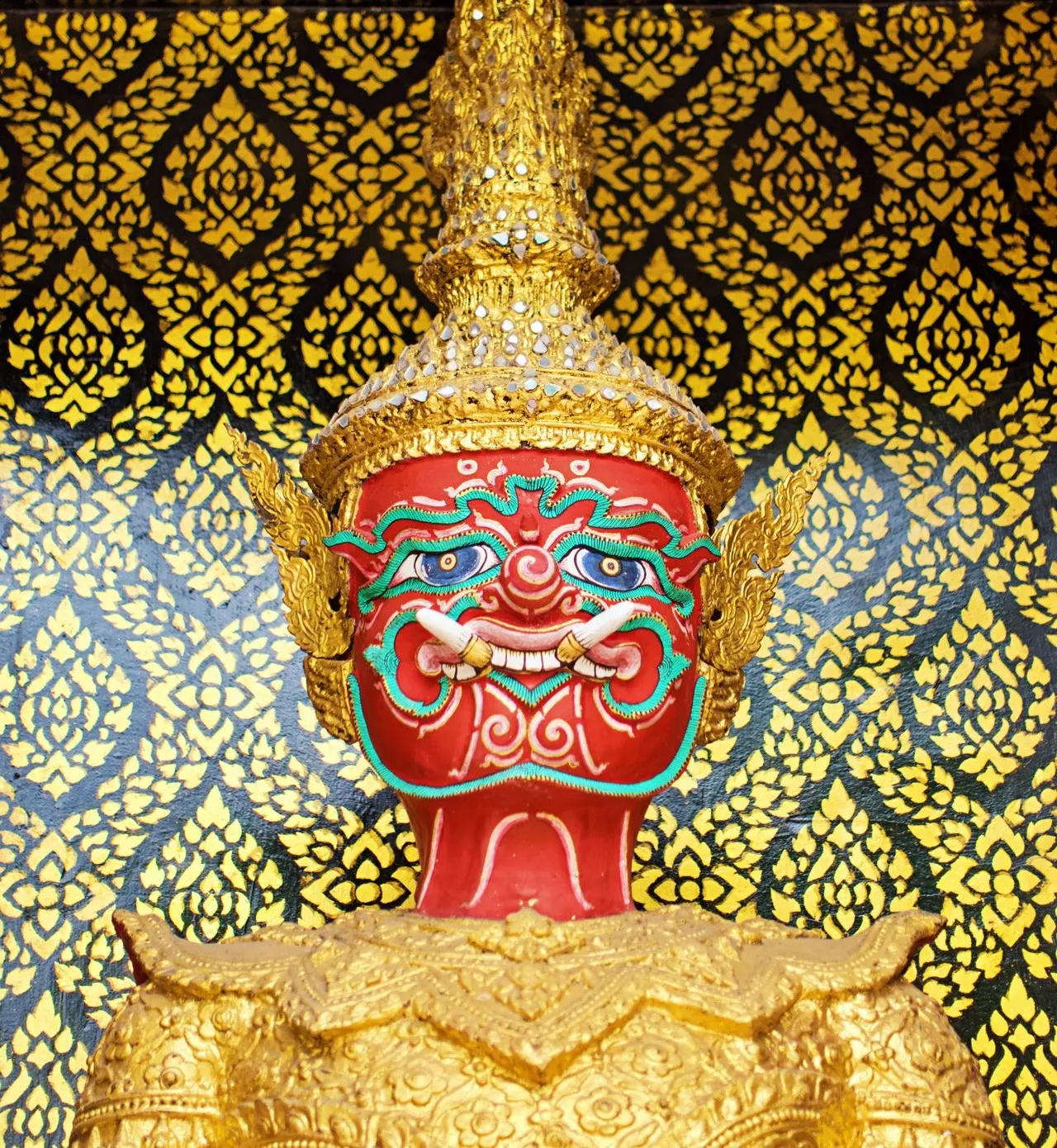
Explore the main Thai dialects and regional differences in pronunciation, vocabulary, and everyday usage across Thailand.