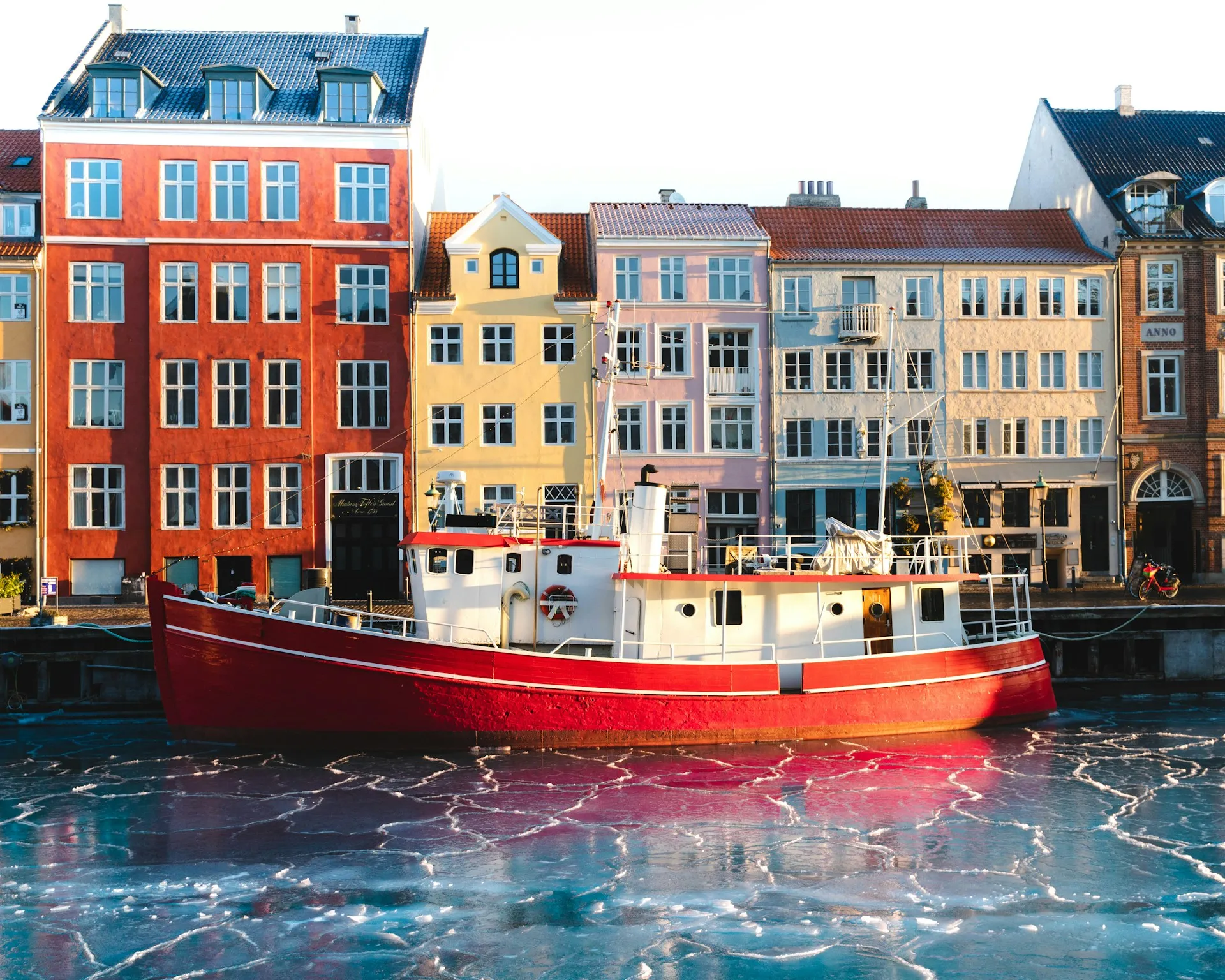
Is Danish Hard for English Speakers?
Danish pronunciation is often considered difficult, but its grammar is relatively simple compared with many other Germanic languages.
Explore the main Thai dialects and regional differences in pronunciation, vocabulary, and everyday usage across Thailand.
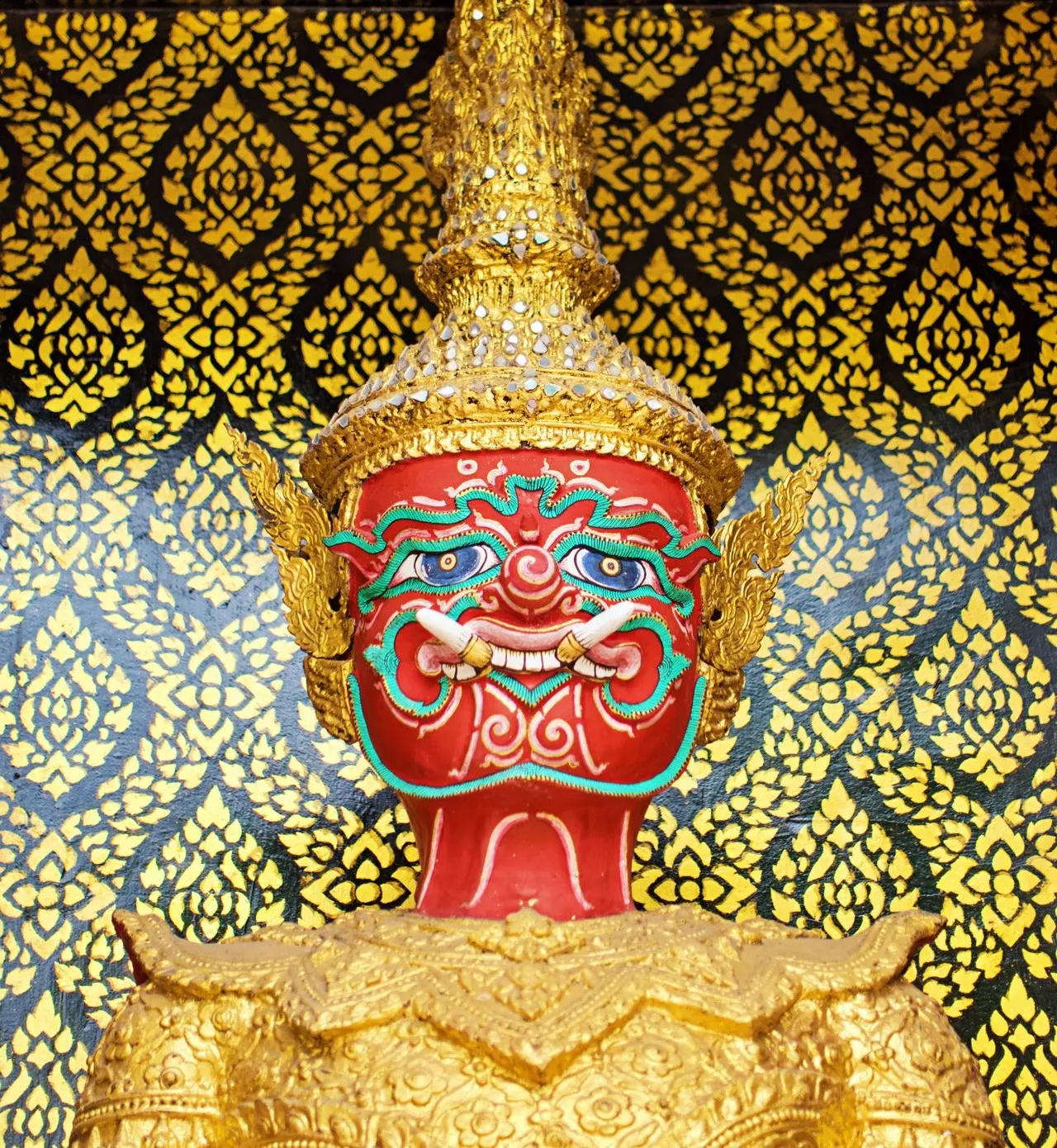
Thai is often thought of as a single language, but in reality it exists as a family of closely related dialects that vary by region. Broadly, there are four main varieties: Central, Northern, Northeastern (Isan), and Southern Thai. Let's look at each variety in more detail.
Central Thai, or Phasa Klang, is the standard form of the language. It is based on the dialect spoken in and around the capital and is used in government, education, media, and formal communication.
It is most strongly associated with Bangkok, the country's capital and cultural center, and the surrounding areas.
Because of its official status, Central Thai is the most widely taught variety and is spoken by almost all Thai people. It is also the variety that foreign students learn.
Northern Thai (often called Kham Mueang) is spoken in the north of the country, especially around Chiang Mai.
It has a distinct pronunciation system and accent, with around six tones, one more than Standard Thai, and is similar in complexity to other Thai varieties. Historically, it was written using the old, beautiful-looking Lanna script.
Northeastern Thai, known as Phasa Isan (ภาษาอีสาน), is spoken in the Isan region of Thailand, bordering Laos to the north and Cambodia to the south.
It is the second most widely spoken Thai variety, with around 20 million speakers. Like Northern Thai, it also has six tones and pronunciation changes, such as /r/ often becoming /l/.
Another key feature is the influence of the Lao language. As a result, it has high mutual intelligibility with Lao and Lao dialects, meaning people can understand each other quite well.
Southern Thai (Phasa Tai) is spoken in the southern provinces of Thailand. It is the least spoken of the four varieties and shows strong influence from nearby Malaysia.
Among the four main varieties, Southern Thai is often considered the most distinct from Standard Thai and the most difficult to understand, especially for foreign students.
Across all four varieties, the biggest differences are in vocabulary (different words for the same meaning), but also in accent, pronunciation, and tones.
Grammar remains relatively similar, which is why speakers can often adjust and understand each other with some exposure.
A simple way to see how the dialects differ is through the word "delicious":
Central Thai: อร่อย (a-roi)
Northeastern Thai (Isan): แซ่บ (sɛ̂ɛp)
Northern Thai: ลำ / ลำขนาด (lam / lam kha naat)
Southern Thai: ร่อย (roi) (varies in usage)
People who speak Standard Thai can usually understand other dialects in general conversation, but they may struggle with fast speech, slang, or strong accents. This is especially true for media-trained speakers (TV, radio, and educated urban speakers), who tend to understand more.
Southern Thai is usually the hardest for Central Thai speakers to understand. It has distinct vocabulary and is often spoken faster than other varieties.
Thai dialects are still used today, but mostly in everyday life. People usually speak their local dialect at home or with friends, especially in rural areas. However, when it comes to school, work, TV, or talking to people from other parts of Thailand, most switch to Standard Thai. As a result, most people end up using both, depending on the situation.
Danish pronunciation is often considered difficult, but its grammar is relatively simple compared with many other Germanic languages.
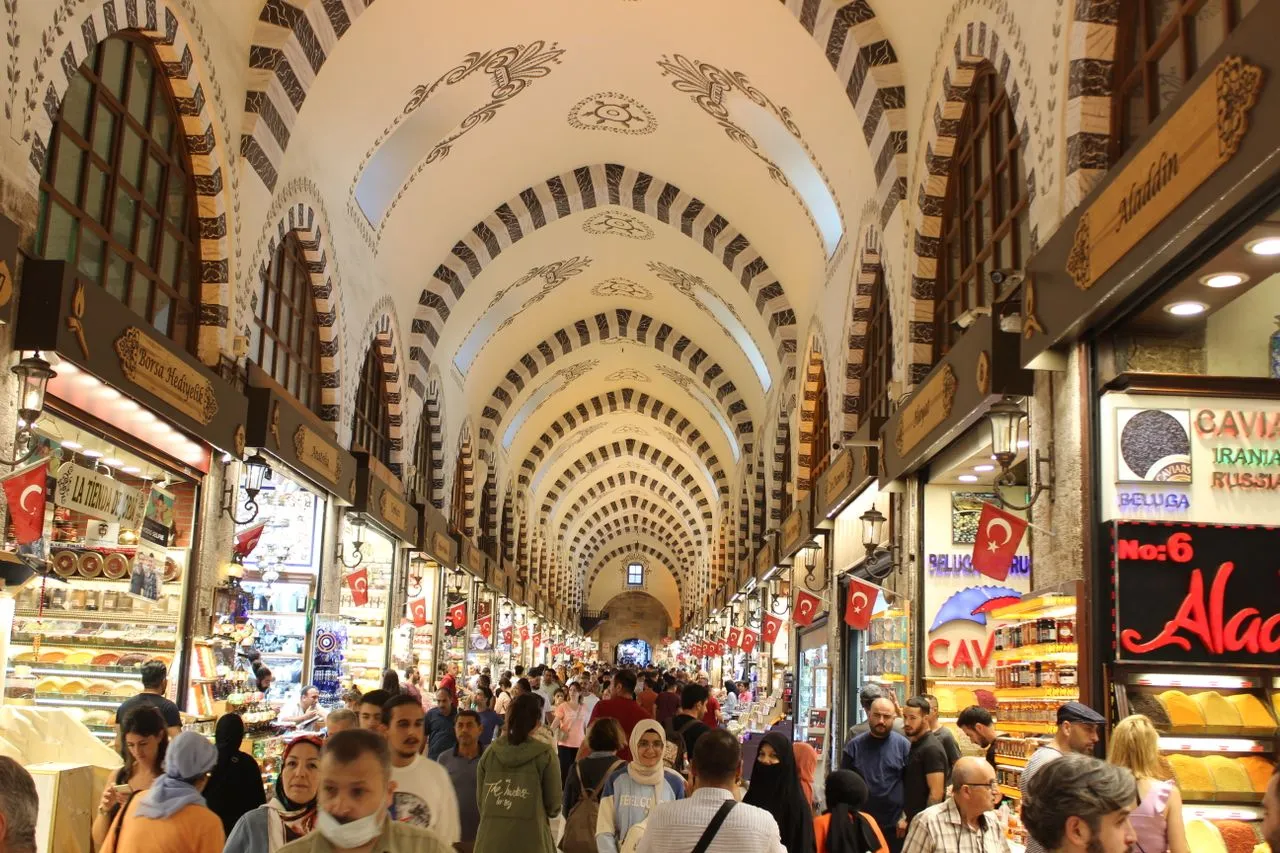
Lubunca is a secret slang developed by the LGBTQ+ community in Turkey, especially in Istanbul, with a unique vocabulary and cultural history.
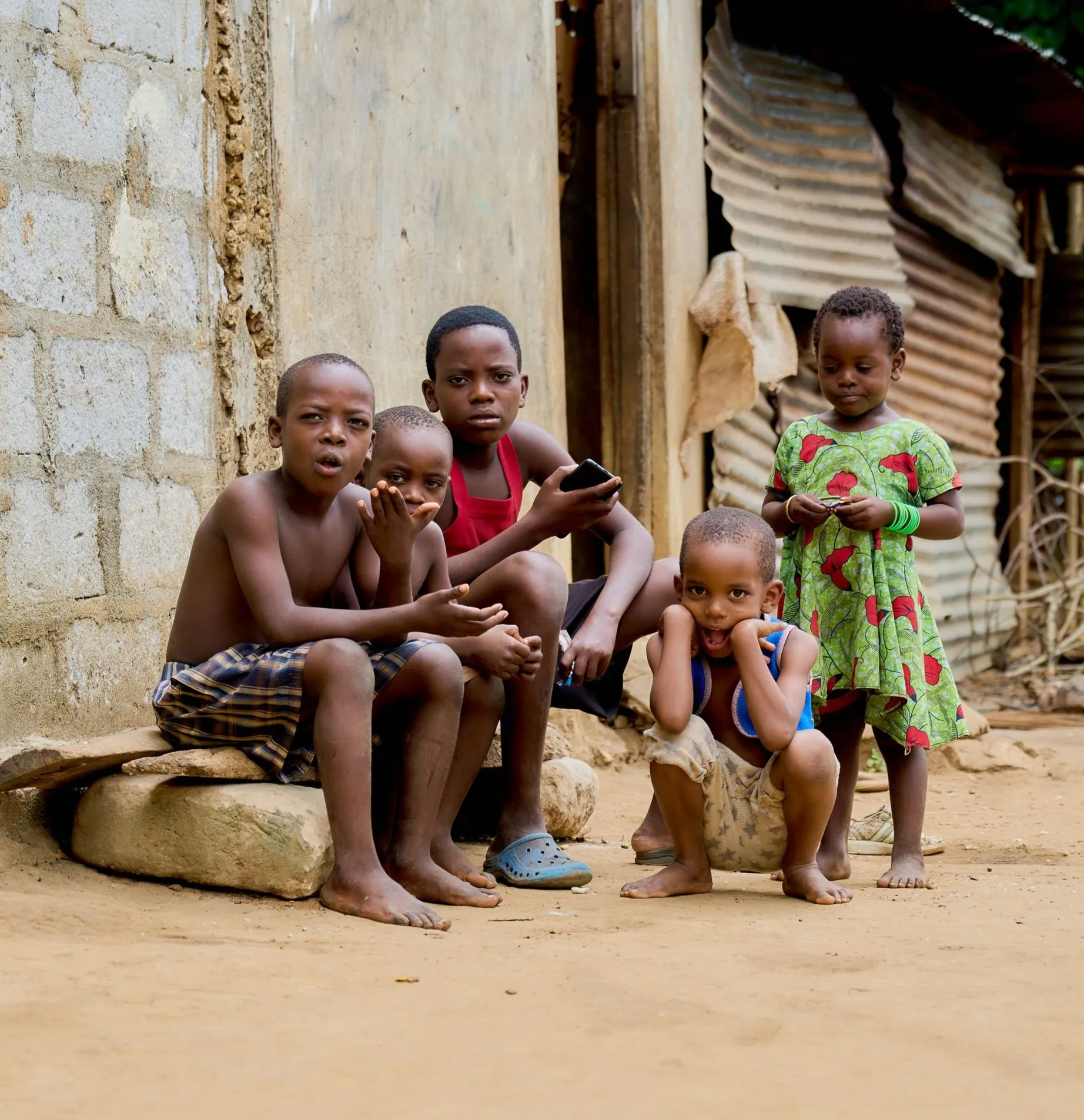
Mozambique Portuguese is a regional variety influenced by local languages, including Bantu languages, and unique cultural expressions.

Portuguese slang from Portugal includes informal expressions, everyday phrases, and regional words used by native speakers.
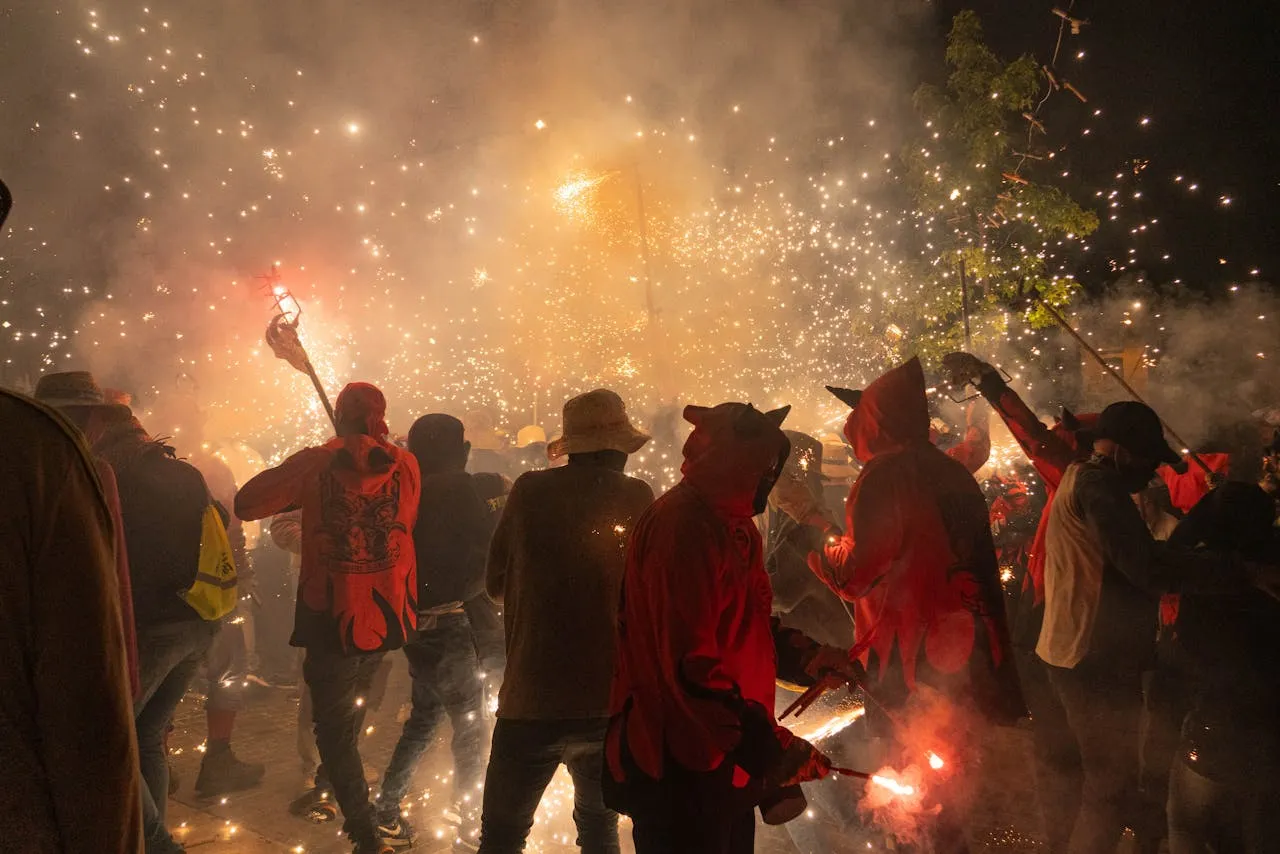
Catalan slang includes informal expressions and everyday phrases used in Catalonia, influenced by local culture and history.